
 Click main image to view in full screen. Unlock all 12 preview images:
Affordable Urban Housing Access Shift – PDF
PDF document 13 Pages


BENEFITS OF THIS DOWNLOADABLE PDF DOCUMENT
- Provides a proprietary framework for diagnosing urban housing access beyond conventional housing-unit and construction metrics.
- Translates housing, transportation, land, and urban-policy dynamics into practical decision criteria for designing more integrated housing interventions.
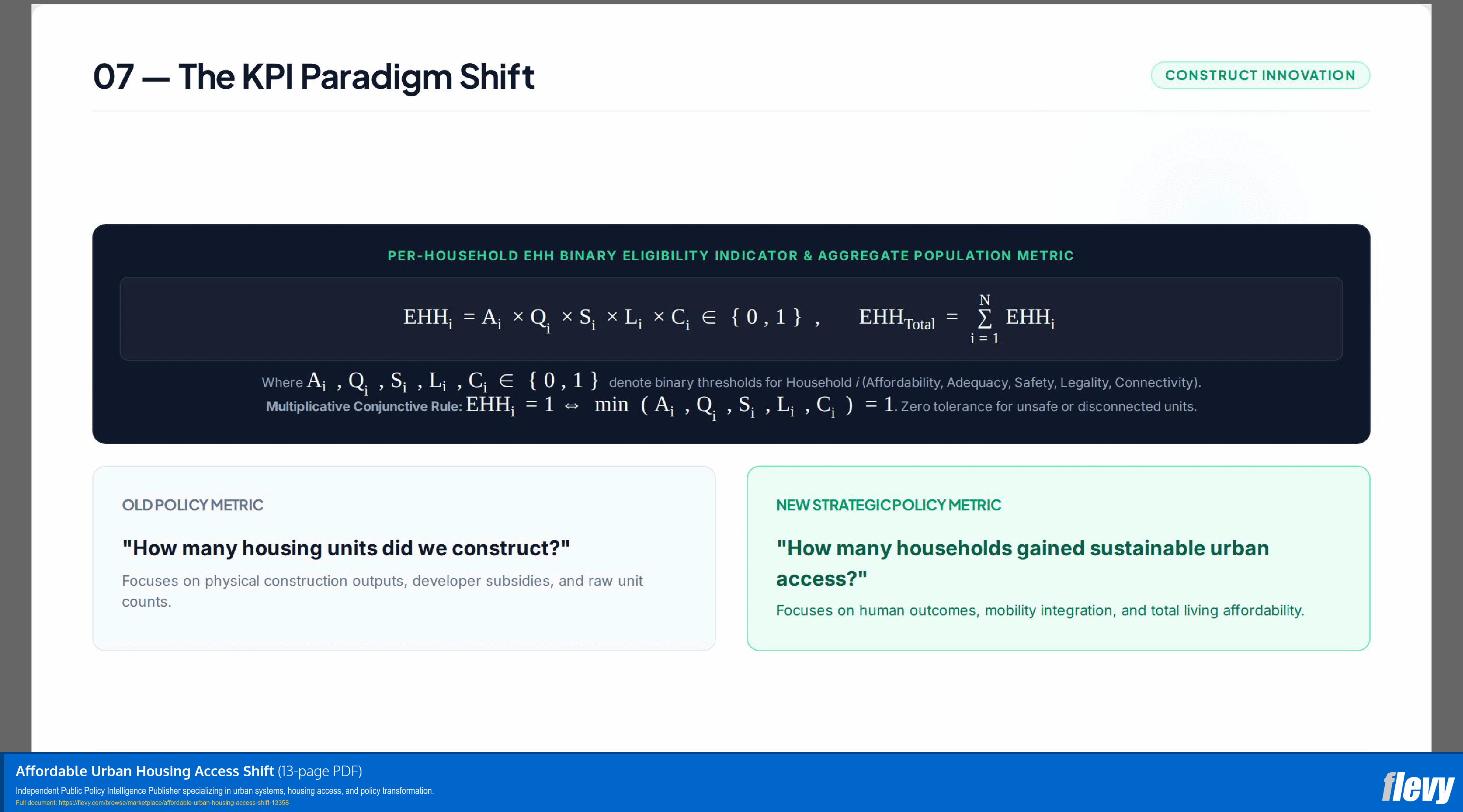
- Introduces the Effectively Housed Household (EHH) outcome construct to shift policy evaluation from units delivered toward households sustainably housed.
REAL ESTATE PDF DESCRIPTION
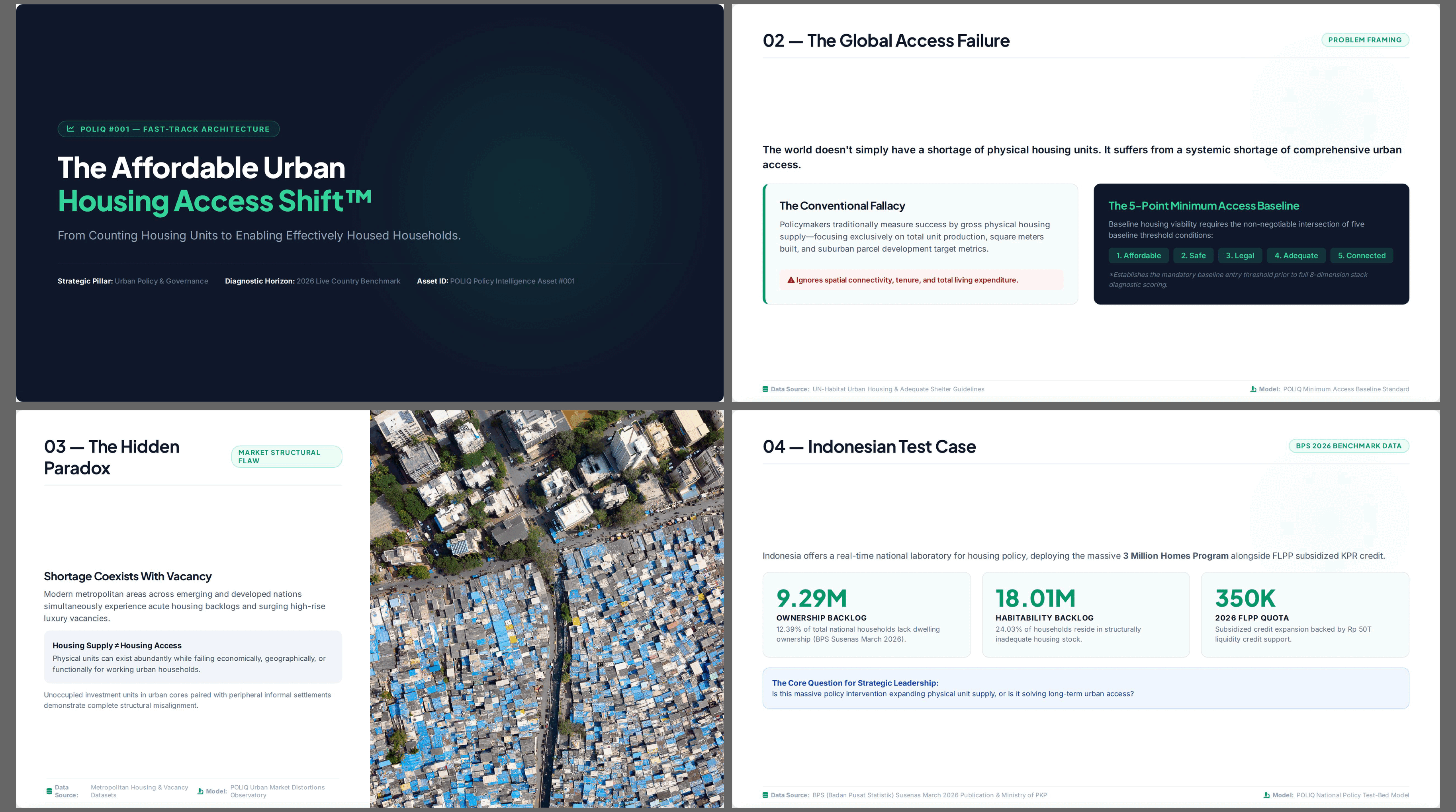
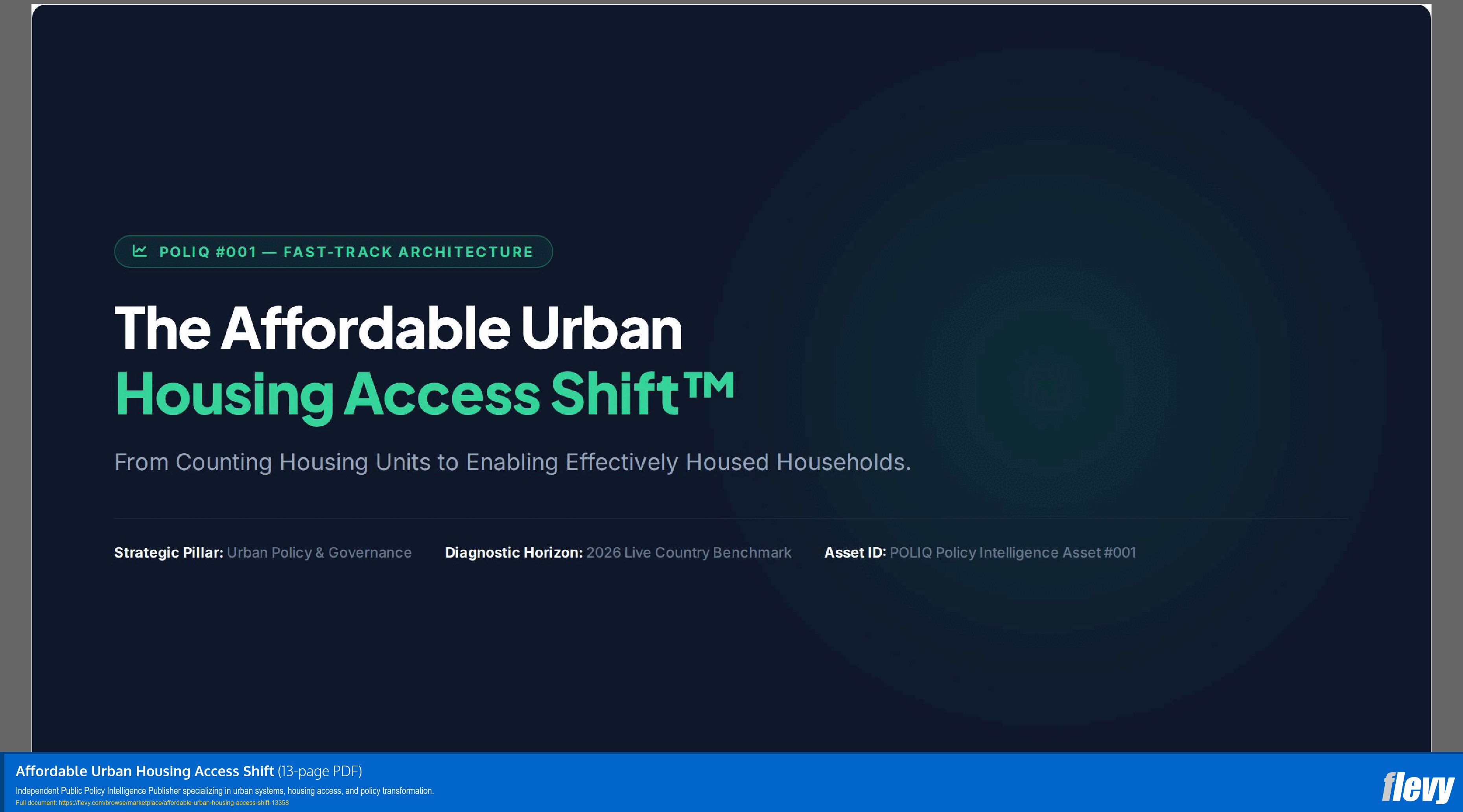
The Affordable Urban Housing Access Shift™ is a strategic public policy intelligence asset for government leaders, urban policymakers, housing authorities, infrastructure planners, development institutions, and decision-makers seeking to improve housing outcomes beyond conventional housing-unit targets.
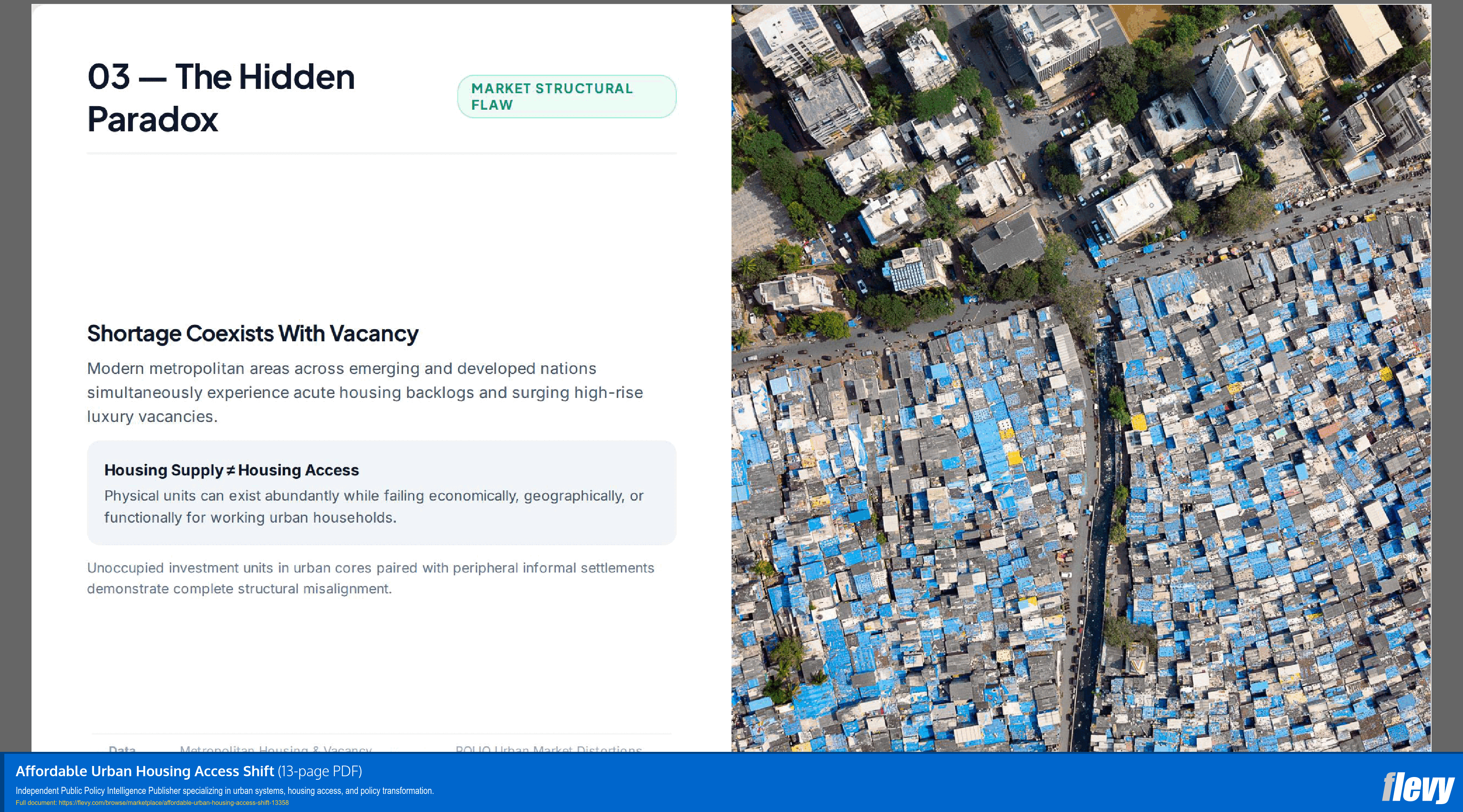
The playbook reframes urban housing from a physical supply problem into an access and integration challenge. Its central thesis is that housing supply does not automatically create housing access: a dwelling can be physically available yet remain economically, geographically, legally, or functionally inaccessible to the household that needs it.
Using the extreme case of informal rooms operating beneath Lagos' Dolphin Estate Bridge as an opening signal, the playbook identifies a broader policy pattern: when formal housing becomes inaccessible, households adapt through increasingly informal, unsafe, or legally ambiguous alternatives. The analysis then examines the structural paradox in which housing shortages can coexist with vacant or underutilized housing stock.
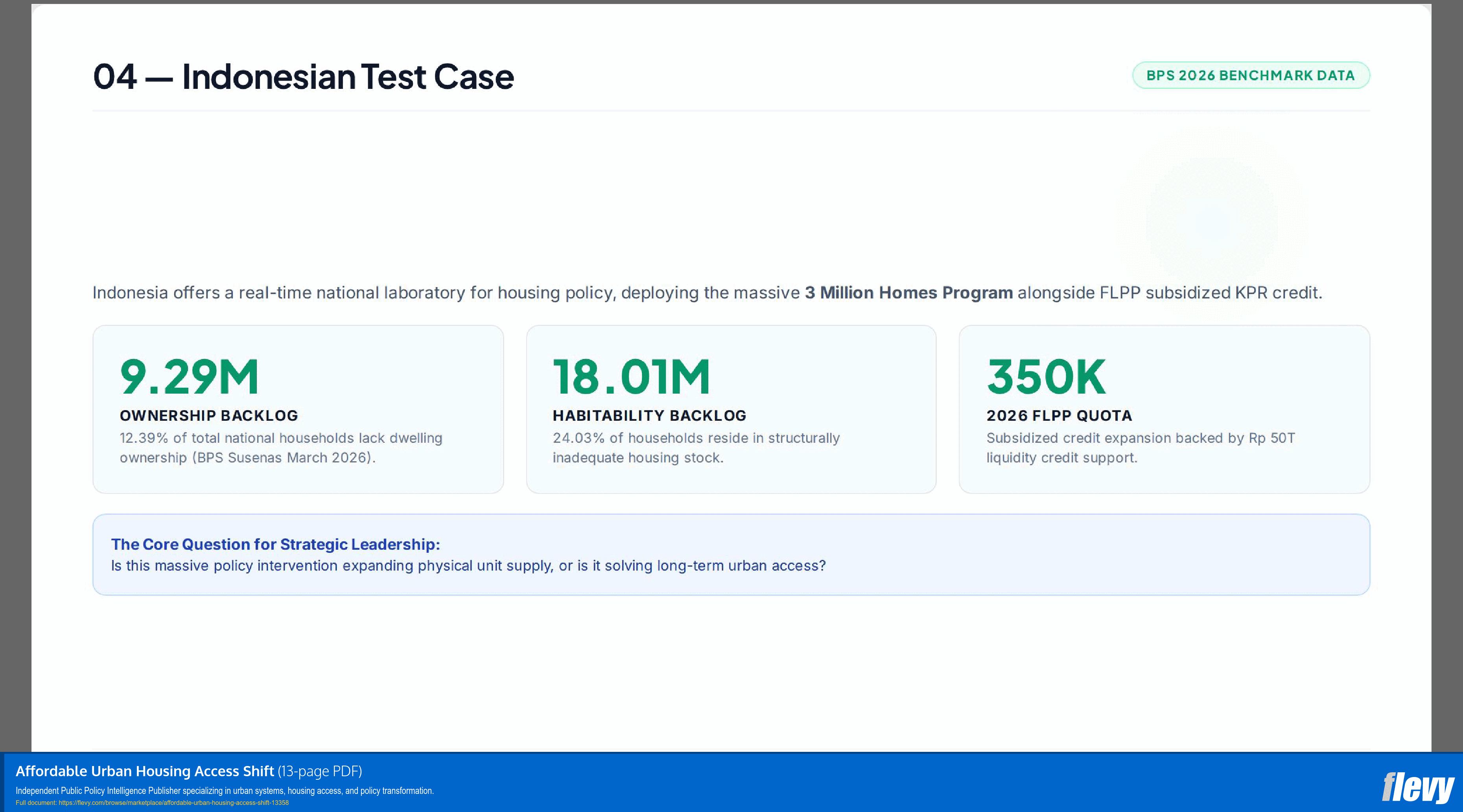
The Indonesian housing market provides the principal policy test case, including the 2026 ownership and habitability backlog benchmarks and major government interventions such as the 3 Million Homes Program and subsidized KPR/FLPP. Rather than simply evaluating the scale of housing construction, the playbook asks whether policy interventions are producing sustainable urban access for households.
Inside, you will find:
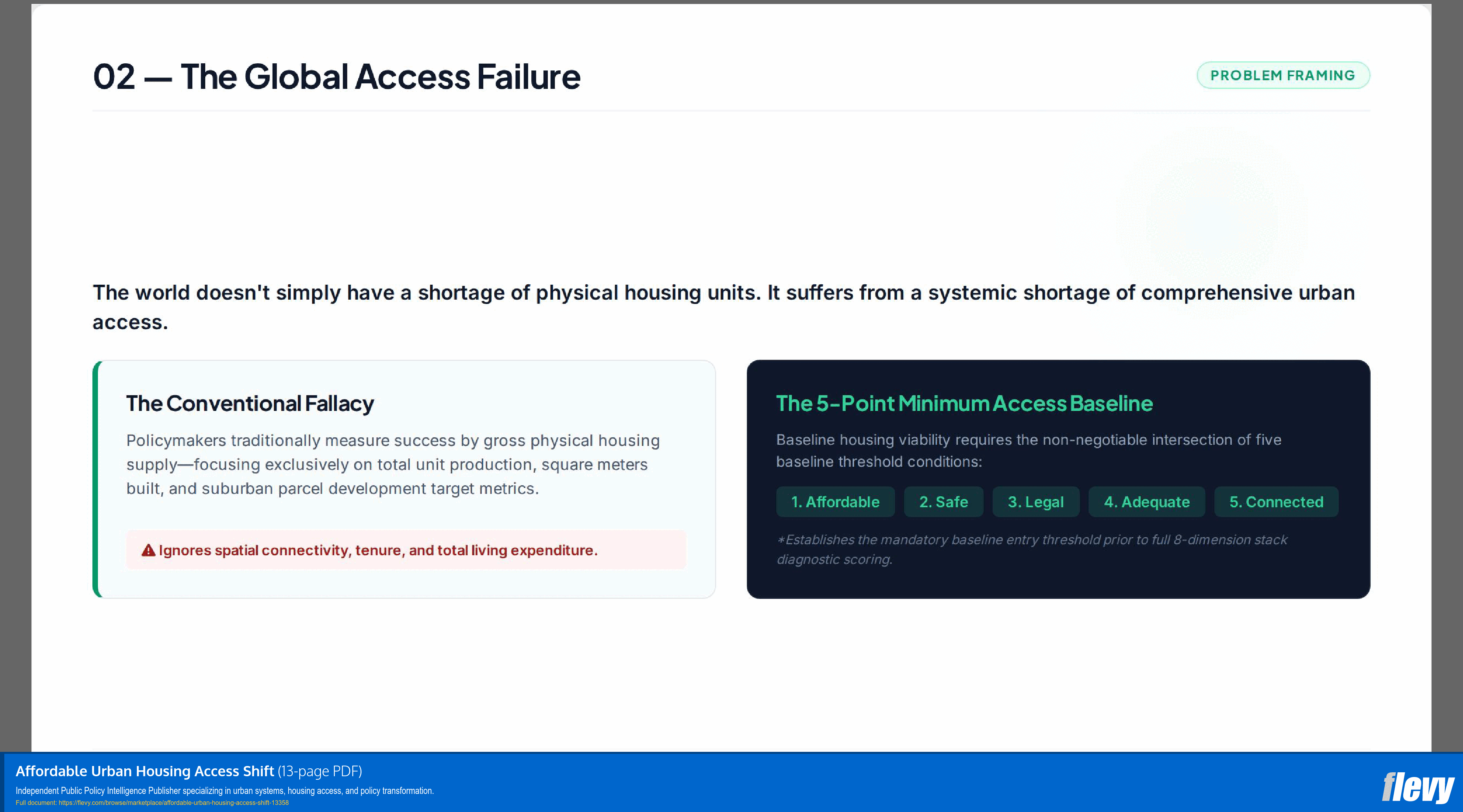
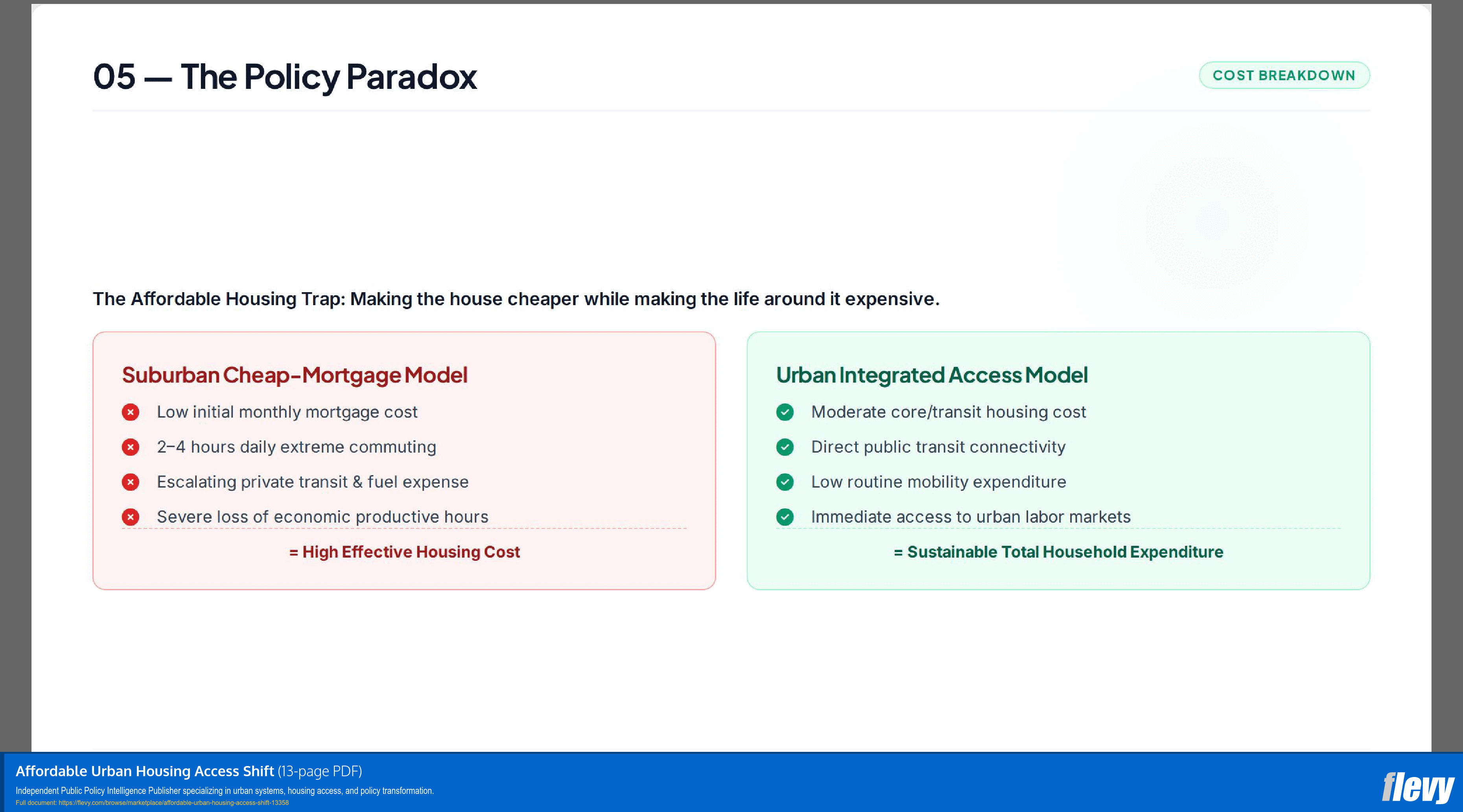
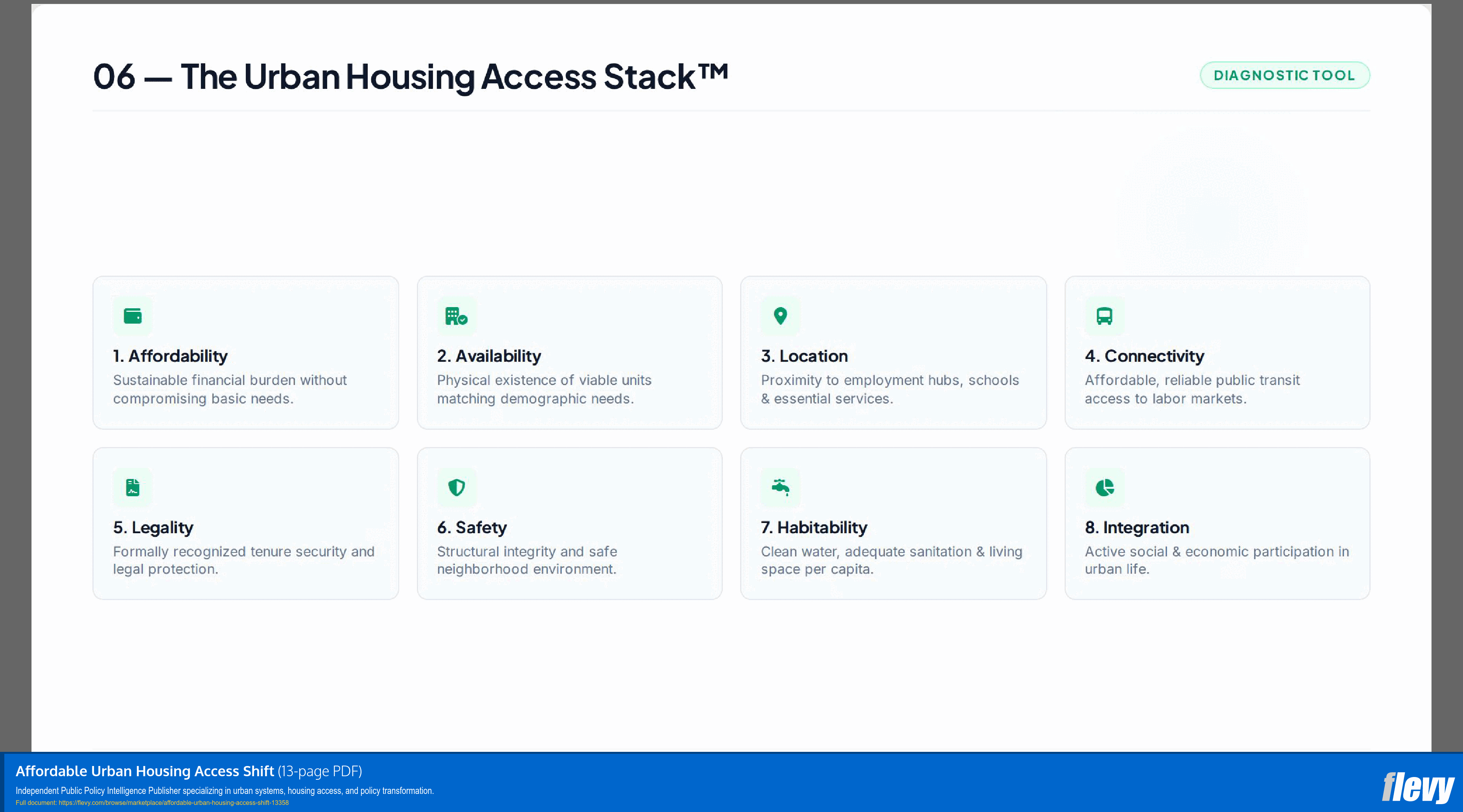
• The Global Access Failure framework for diagnosing the limitations of unit-based housing policy. • The 5-Point Minimum Access Baseline covering affordability, safety, legality, adequacy, and connectivity. • The Urban Housing Access Stack™ – an eight-dimension diagnostic covering affordability, availability, location, connectivity, legality, safety, habitability, and integration. • The Housing + Transport Total Living Cost perspective for evaluating the hidden cost of apparently affordable housing. • The Effectively Housed Household (EHH) construct, including a binary household-level eligibility logic and aggregate outcome metric. • Five Strategic Policy Shifts covering employment-linked housing, transit integration, existing-stock activation, tenure diversification, and outcome-based measurement. • The Legacy Supply Paradigm vs. Flagship Access Paradigm decision architecture for translating the intelligence into policy action.
The playbook is designed to help decision-makers move from asking "How many housing units were constructed?" toward the more consequential question: "How many households gained sustainable access to adequate urban housing?"
This is not a conventional housing market report. It is an executive policy intelligence framework for diagnosing access failures, evaluating intervention logic, and redesigning housing policy around measurable household outcomes.
Got a question about the product? Email us at support@flevy.com or ask the author directly by using the "Ask the Author a Question" form. If you cannot view the preview above this document description, go here to view the large preview instead.
Source: Best Practices in Real Estate PDF: Affordable Urban Housing Access Shift PDF (PDF) Document, Wisnu Pandega Wardana
ABOUT THE AUTHOR

I am an independent Industrial Intelligence and Strategic Innovation Publisher focused on developing structured business intelligence, innovation frameworks, and opportunity-oriented research for decision-makers.
My work focuses on translating emerging technologies, industrial transformation, sustainability, resource efficiency, and market shifts into structured intelligence assets that
... [read more]
Ask the Author a Question
You must be logged in to contact the author.




























