
This framework is developed by a team of former McKinsey and Big 4 consultants. The presentation follows the headline-body-bumper slide format used by global consulting firms.
Ocean Economy PPT: Explore Blue Economy sectors, low-carbon and regenerative ocean growth. Download this primer for marine trade, energy, and sustainability insights. Ocean Economy Primer is a 29-slide PPT PowerPoint presentation slide deck (PPTX) available for immediate download upon purchase.
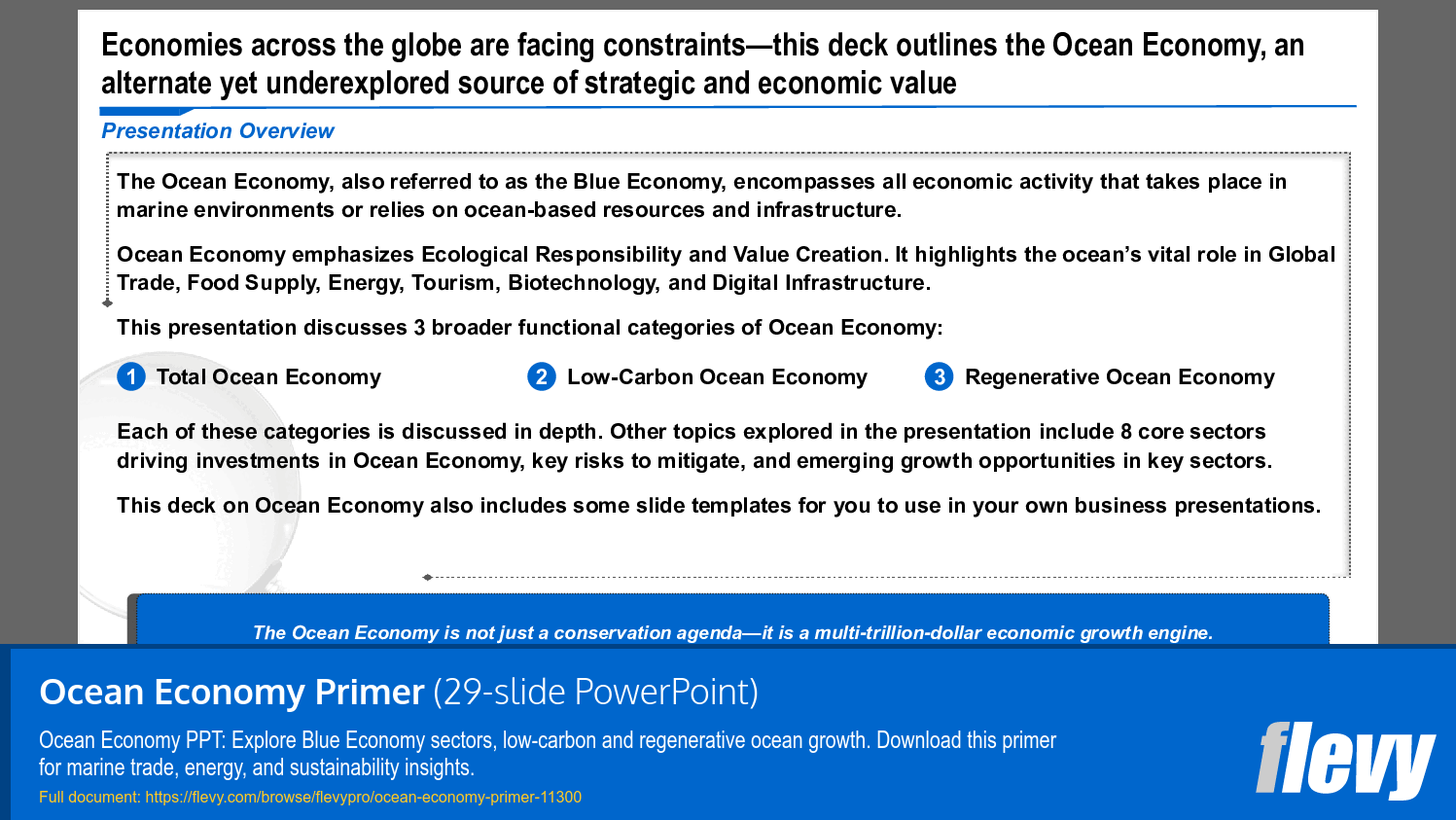
The Ocean Economy, also referred to as the Blue Economy, encompasses all economic activity that takes place in marine environments or relies on ocean-based resources and infrastructure.
Ocean Economy emphasizes Ecological Responsibility and Value Creation. It highlights the ocean's vital role in Global Trade, Food Supply, Energy, Tourism, Biotechnology, and Digital Infrastructure. The Ocean Economy is not just a conservation agenda. It is a multi-trillion-dollar economic growth engine.
This PPT presentation discusses 3 broader functional categories of Ocean Economy:
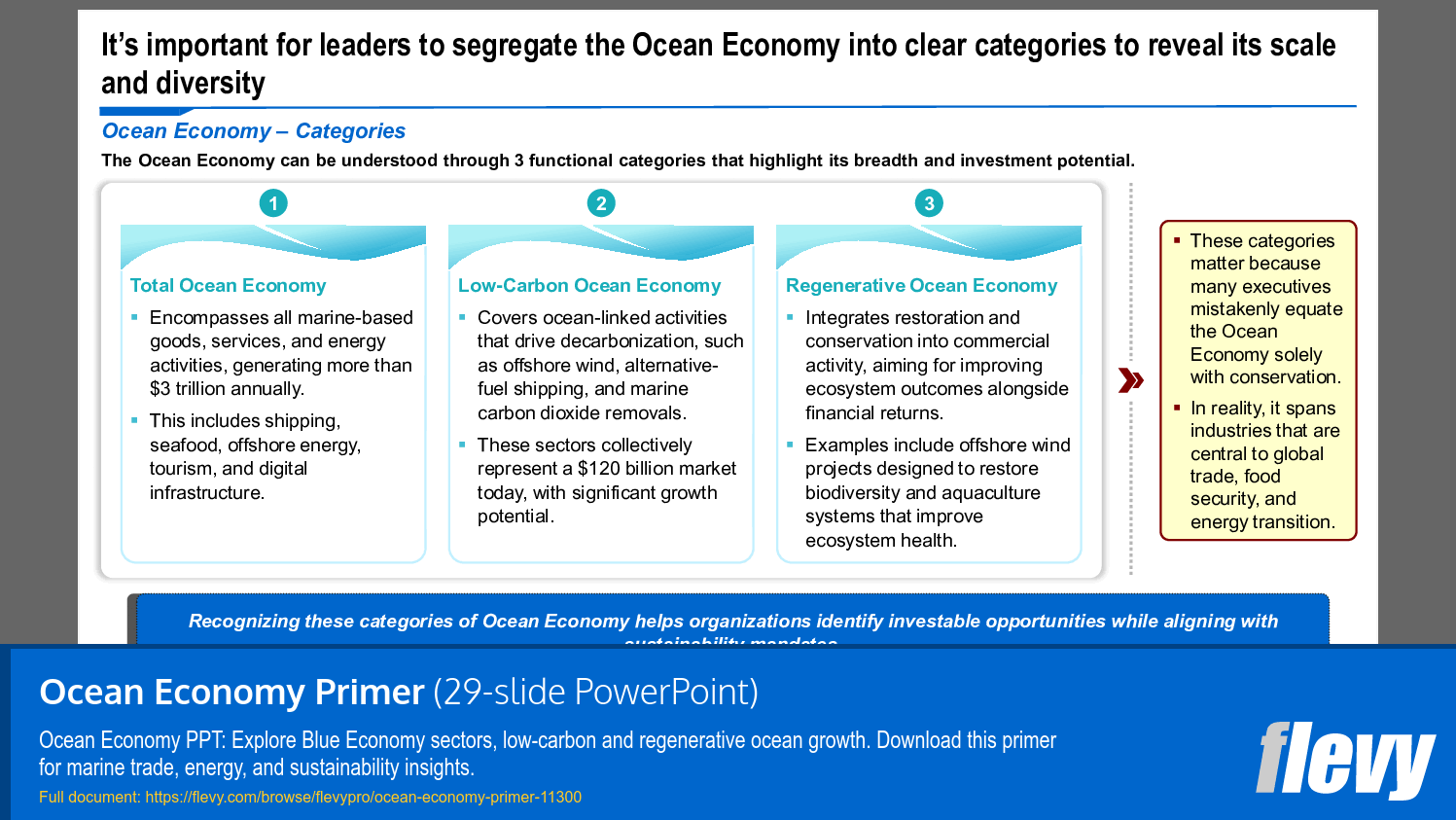
1. Total Ocean Economy – Encompasses all marine-based goods, services, and energy activities, generating more than $3 trillion annually. This includes shipping, seafood, offshore energy, tourism, and digital infrastructure.
2. Low-Carbon Ocean Economy – Covers ocean-linked activities that drive decarbonization, such as offshore wind, alternative-fuel shipping, and marine carbon dioxide removals. These sectors collectively represent a $120 billion market today, with significant growth potential.
3. Regenerative Ocean Economy – Integrates restoration and conservation into commercial activity, aiming for improving ecosystem outcomes alongside financial returns. Examples include offshore wind projects designed to restore biodiversity and aquaculture systems that improve ecosystem health.
Each of these categories is discussed in depth. Other topics explored in the presentation include 8 core sectors driving investments in Ocean Economy, key risks to mitigate, and emerging growth opportunities in key sectors.
This deck on Ocean Economy also includes some slide templates for you to use in your own business presentations.
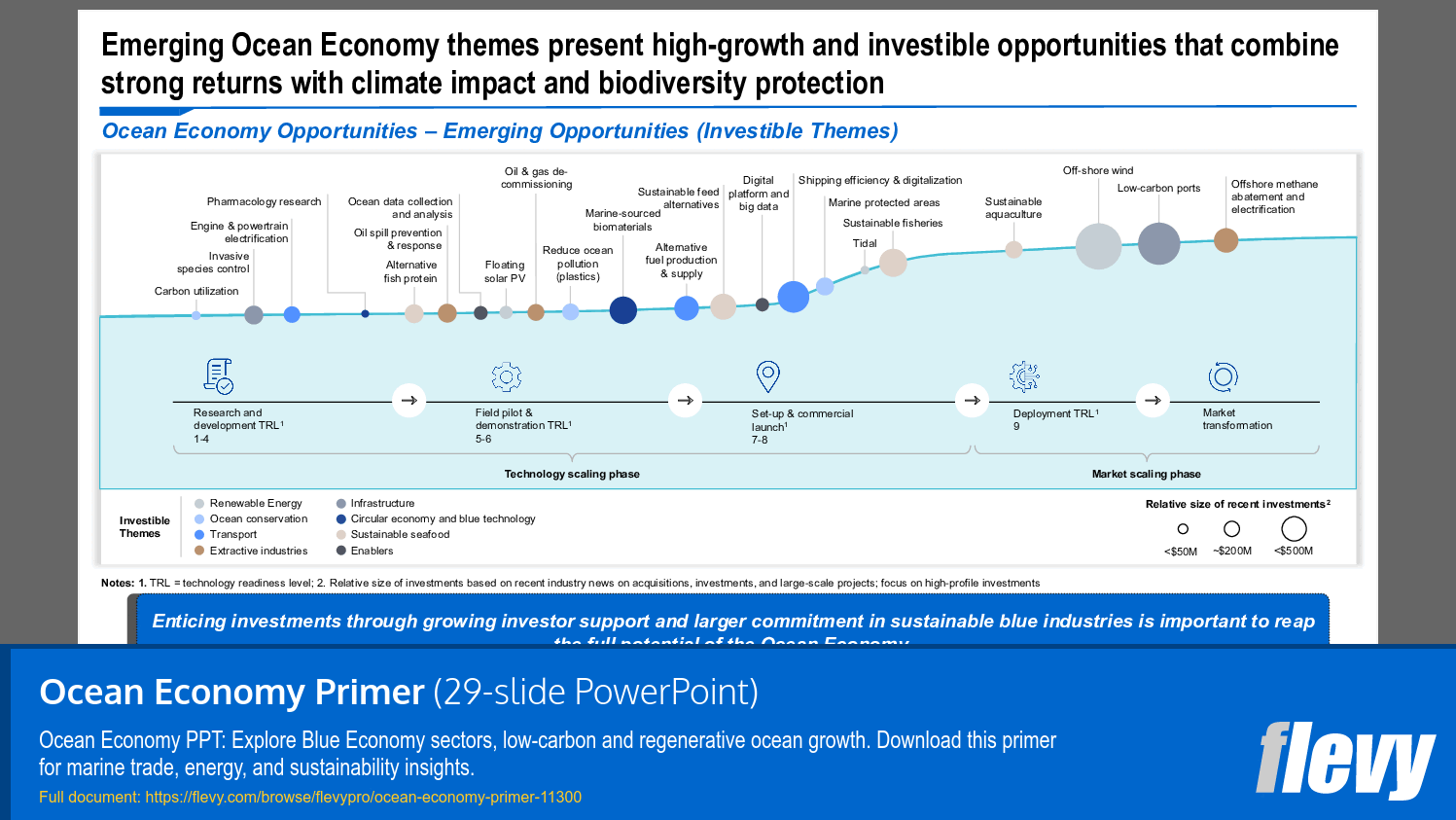
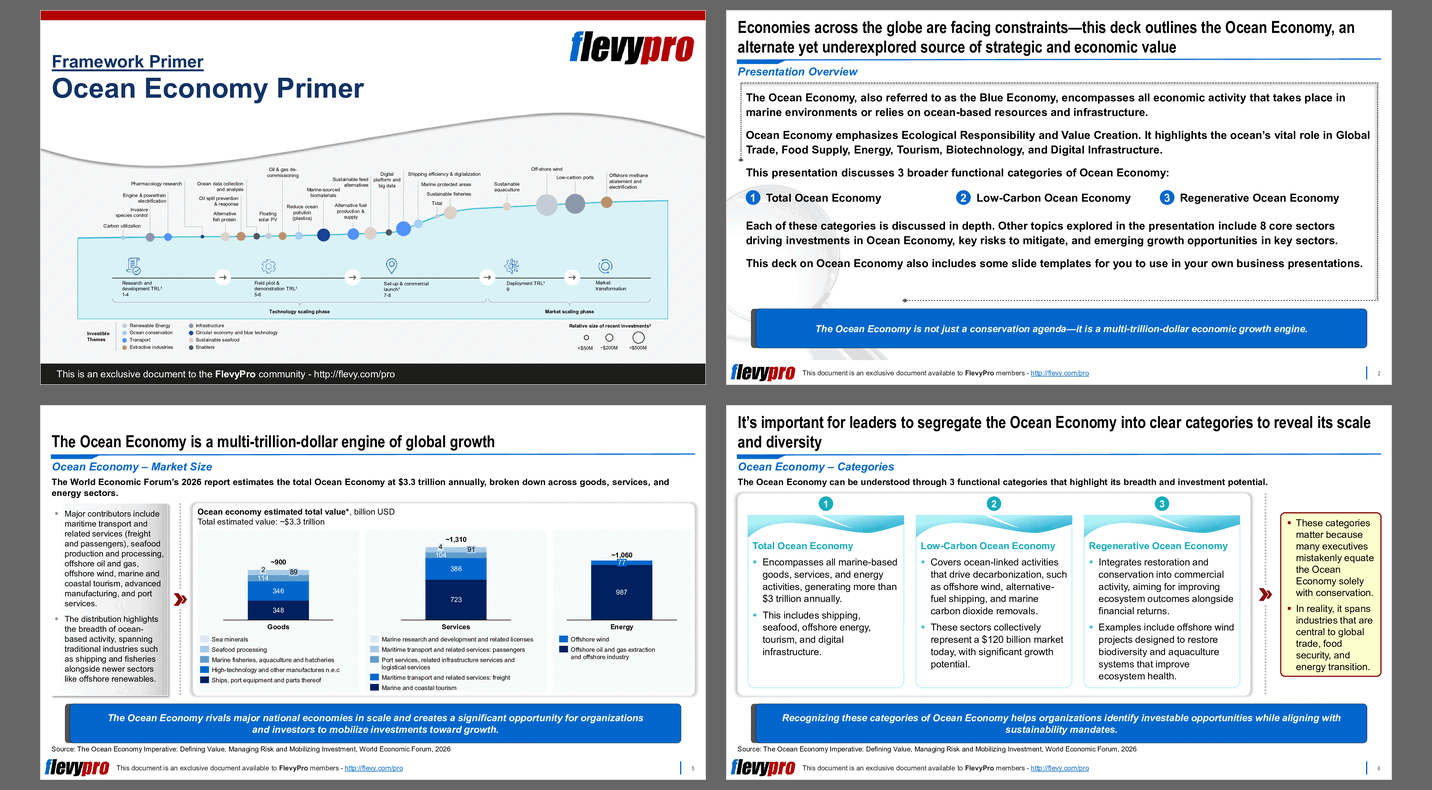
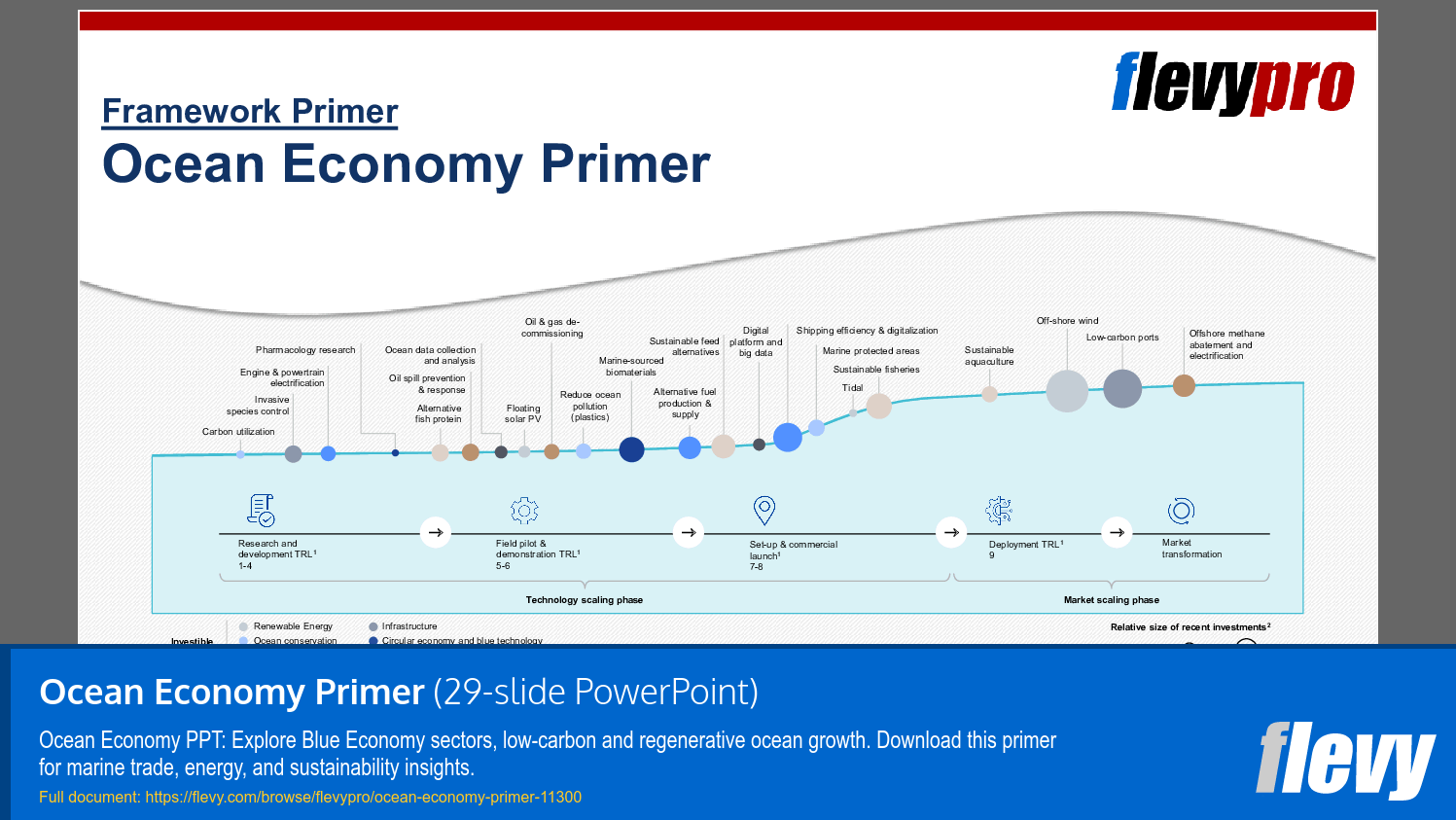
Emerging Ocean Economy themes present high-growth investment opportunities that align with climate impact and biodiversity protection. Key investible themes include renewable energy, ocean conservation, sustainable aquaculture, and circular economy technologies. The technology readiness levels (TRL) range from research and development (TRL 1-4) to market transformation (TRL 9), indicating the maturity of various initiatives. Specific areas of focus include oil and gas decommissioning, marine-sourced biomaterials, and digital platforms for shipping efficiency. Recent investments highlight the growing investor interest in sustainable blue industries, emphasizing the need for commitment to realize the full potential of the Ocean Economy.
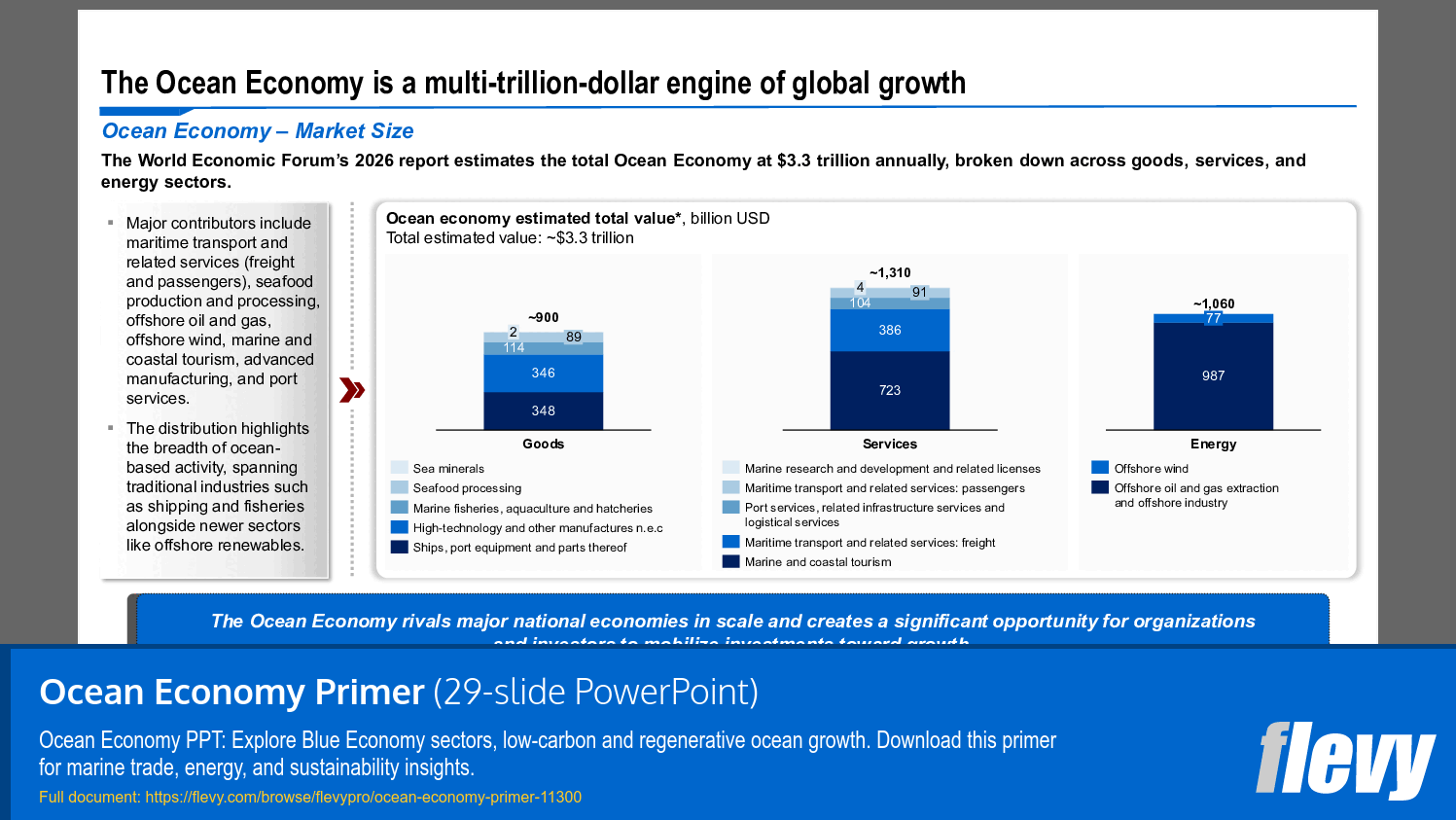
The Ocean Economy, valued at approximately $3.3 trillion annually, encompasses diverse sectors including maritime transport, seafood production, offshore energy, and coastal tourism. Major contributors to this economy include freight and passenger services, seafood processing, offshore oil and gas, and advanced manufacturing. The breakdown reveals that goods account for around $900 billion, services approximately $1.31 trillion, and energy sectors about $1.06 trillion. Key activities within these categories span traditional industries like shipping and fisheries, as well as emerging sectors such as offshore renewables. This distribution underscores the extensive potential for growth and investment in ocean-based activities.
The Ocean Economy is categorized into 3 distinct segments: Total Ocean Economy, Low-Carbon Ocean Economy, and Regenerative Ocean Economy. The Total Ocean Economy encompasses all marine-based goods and services, generating over $3 trillion annually, including shipping, seafood, offshore energy, tourism, and digital infrastructure. The Low-Carbon Ocean Economy focuses on decarbonization activities, such as offshore wind and alternative-fuel shipping, representing a $120 billion market with significant growth potential. The Regenerative Ocean Economy integrates restoration and conservation into commercial activities, aiming to improve ecosystem outcomes and financial returns, exemplified by projects that enhance biodiversity and aquaculture systems. These categories are crucial for understanding the Ocean Economy's broader impact on global trade, food security, and energy transition.
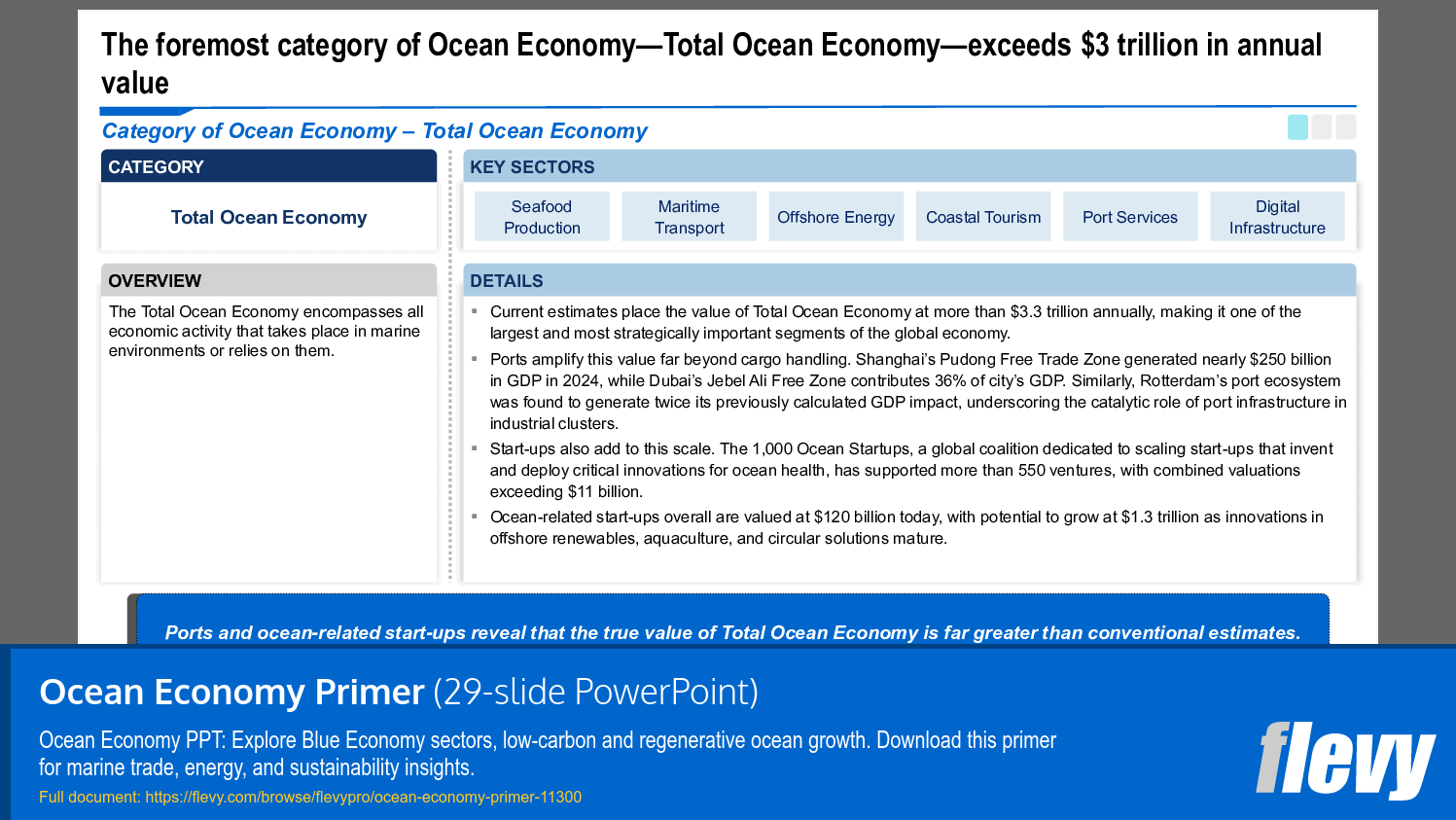
The Total Ocean Economy, valued at over $3.3 trillion annually, encompasses all economic activities reliant on marine environments. Key sectors include seafood production, maritime transport, offshore energy, coastal tourism, and port services. Ports significantly enhance this value; for instance, Shanghai’s Pudong Free Trade Zone is projected to contribute nearly $250 billion to GDP by 2024, while Dubai’s Jebel Ali Free Zone accounts for 36% of its city’s GDP. Additionally, the 1,000 Ocean Startups initiative supports over 550 ventures with valuations exceeding $11 billion, while ocean-related startups are valued at $120 billion, with potential growth to $1.3 trillion as innovations in offshore renewables and aquaculture mature.
Source: Best Practices in Sustainability, Ocean Economy, Blue Economy PowerPoint Slides: Ocean Economy Primer PowerPoint (PPTX) Presentation Slide Deck, LearnPPT Consulting
This framework is developed by a team of former McKinsey and Big 4 consultants. The presentation follows the headline-body-bumper slide format used by global consulting firms.
For $10.00 more, you can download this document plus 2 more FlevyPro documents. That's just $13 each.
ABOUT FLEVYPRO
This document is part of the FlevyPro Library, a curated knowledge base of documents for our FlevyPro subscribers.

FlevyPro is a subscription service for on-demand business frameworks and analysis tools. FlevyPro subscribers receive access to an exclusive library of curated business documents—business framework primers, presentation templates, Lean Six Sigma tools, and more—among other exclusive benefits.
The average daily rate of a McKinsey consultant is $6,625 (not including expenses). The average price of a Flevy document is $65.
Trusted by over 10,000+ Client Organizations
Since 2012, we have provided business templates to over 10,000 businesses and organizations of all sizes, from startups and small businesses to the Fortune 100, in over 130 countries.
"[Flevy] produces some great work that has been/continues to be of immense help not only to myself, but as I seek to provide professional services to my clients, it gives me a large "tool box" of resources that are critical to provide them with the quality of service and outcomes they are expecting."
– Royston Knowles, Executive with 50+ Years of Board Level Experience
"As a niche strategic consulting firm, Flevy and FlevyPro frameworks and documents are an on-going reference to help us structure our findings and recommendations to our clients as well as improve their clarity, strength, and visual power. For us, it is an invaluable resource to increase our impact and value."
– David Coloma, Consulting Area Manager at Cynertia Consulting
"I have found Flevy to be an amazing resource and library of useful presentations for lean sigma, change management and so many other topics. This has reduced the time I need to spend on preparing for my performance consultation. The library is easily accessible and updates are regularly provided. A wealth of great information."
– Cynthia Howard RN, PhD, Executive Coach at Ei Leadership
"As a young consulting firm, requests for input from clients vary and it's sometimes impossible to provide expert solutions across a broad spectrum of requirements. That was before I discovered Flevy.com.
Through subscription to this invaluable site of a plethora of topics that are key and crucial to consulting, I
have been able to exceed expectations and deliver quality advice and solutions to my clients. The quality and expertise of the authors are exemplary and gives me great confidence to use as part of my service offerings.
I highly recommend this company for any consultant wanting to apply international best practice standards in their service offerings.
"
– Nishi Singh, Strategist and MD at NSP Consultants
"The wide selection of frameworks is very useful to me as an independent consultant. In fact, it rivals what I had at my disposal at Big 4 Consulting firms in terms of efficacy and organization."
– Julia T., Consulting Firm Owner (Former Manager at Deloitte and Capgemini)
"As a small business owner, the resource material available from FlevyPro has proven to be invaluable. The ability to search for material on demand based our project events and client requirements was great for me and proved very beneficial to my clients. Importantly, being able to easily edit and tailor
the material for specific purposes helped us to make presentations, knowledge sharing, and toolkit development, which formed part of the overall program collateral. While FlevyPro contains resource material that any consultancy, project or delivery firm must have, it is an essential part of a small firm or independent consultant's toolbox.
"
– Michael Duff, Managing Director at Change Strategy (UK)
"FlevyPro provides business frameworks from many of the global giants in management consulting that allow you to provide best in class solutions for your clients."
– David Harris, Managing Director at Futures Strategy
"I am extremely grateful for the proactiveness and eagerness to help and I would gladly recommend the Flevy team if you are looking for data and toolkits to help you work through business solutions."
Download our free compilation of 50+ slides and templates on Organizational Design, Change Management, and Corporate Culture. Methodologies include ADKAR, Burke-Litwin Change Model, McKinsey 7-S, Competing Values Framework, etc.