
 Click main image to view in full screen.
PMP Concise Glossary (PowerPoint PPTX Slide Deck)
PowerPoint (PPTX) 100 Slides


PMP PPT DESCRIPTION
The Consolidated Glossary presented here stands as a testament to a meticulous and comprehensive compilation of definitions, expertly drawn from two revered sources in the realm of Project Management: « The Standard for Project Management* *» and « A Guide to the Project Management Body of Knowledge (PMBOK® Guide) – Seventh Edition.* *» This integration of resources serves to create a unified and authoritative reference point, particularly beneficial for professionals immersed in the intricate world of project management or those diligently preparing for the Project Management Professional (PMP) exam.
By seamlessly blending the terminology and acronyms specific to the standards outlined in these influential documents, the glossary becomes a dynamic and indispensable tool. It caters to the unique language and intricacies inherent in project management, offering practitioners a comprehensive resource for enhancing their understanding of fundamental concepts and principles. Whether navigating the complexities of real-world project execution or preparing for the rigorous PMP exam, this consolidated glossary provides clarity and precision in terminology, fostering a shared understanding among project stakeholders.
Beyond its role as a static reference, this 100-slide presentation adds an extra layer of value. Enriched with helpful figures and graphs, it goes beyond mere definitions, providing visual aids that enhance understanding and aid in the memorization of key concepts. These visual elements contribute to a more immersive learning experience, ensuring that practitioners and exam candidates not only comprehend the terminology but also grasp the practical application of these concepts in a project management context.
As the project management landscape is ever-evolving, this presentation is designed to be a living document, subject to regular updates to align with changes in industry standards, methodologies, and best practices. Its dynamic nature reflects a commitment to excellence in project management education, making it an invaluable resource for professionals seeking to elevate their expertise and excel in the field.
Got a question about the product? Email us at support@flevy.com or ask the author directly by using the "Ask the Author a Question" form. If you cannot view the preview above this document description, go here to view the large preview instead.
MARCUS OVERVIEW
This synopsis was written by Marcus [?] based on the analysis of the full 100-slide presentation.
Executive Summary
The PMP Concise Glossary is an essential resource for project management professionals preparing for the PMP exam or seeking to enhance their project management vocabulary. Developed by experts with extensive consulting backgrounds at McKinsey, Deloitte, and Capgemini, this glossary aligns with the PMBOK Guide (6th & 7th Edition) and includes critical terms and acronyms relevant to project management. Users will gain clarity on unique project management terminology, ensuring a solid foundation for effective communication and understanding in the field.
Who This Is For and When to Use
• Project Managers preparing for the PMP exam
• PMO leaders seeking standardized terminology
• Consultants aiming to enhance client communication
• Team members involved in project execution and management
Best-fit moments to use this deck:
• During PMP exam preparation to familiarize with essential terms
• In project kickoff meetings to establish a common language
• As a reference during project planning and execution phases
• For onboarding new team members in project management roles
Learning Objectives
• Define key project management terms and acronyms
• Understand the nuances of terms unique to project management
• Apply glossary terms in practical project scenarios
• Enhance communication within project teams using standardized language
• Prepare effectively for the PMP exam with a solid vocabulary foundation
• Identify and utilize terms relevant to specific project contexts
Table of Contents
• Inclusions and Exclusions (page 2)
• Common Acronyms (page 3)
• Definitions (page 4)
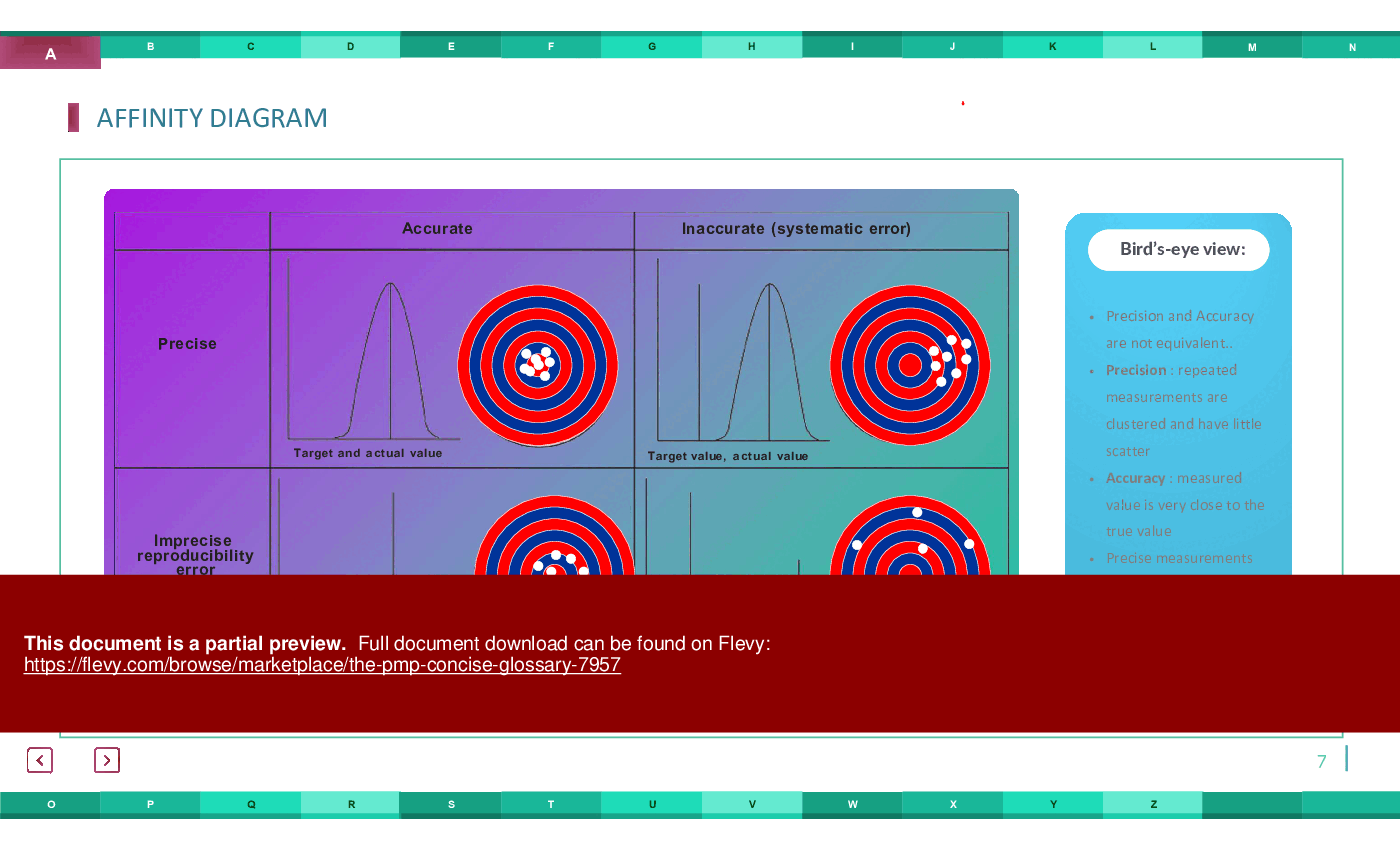
• Affinity Diagram (page 6)
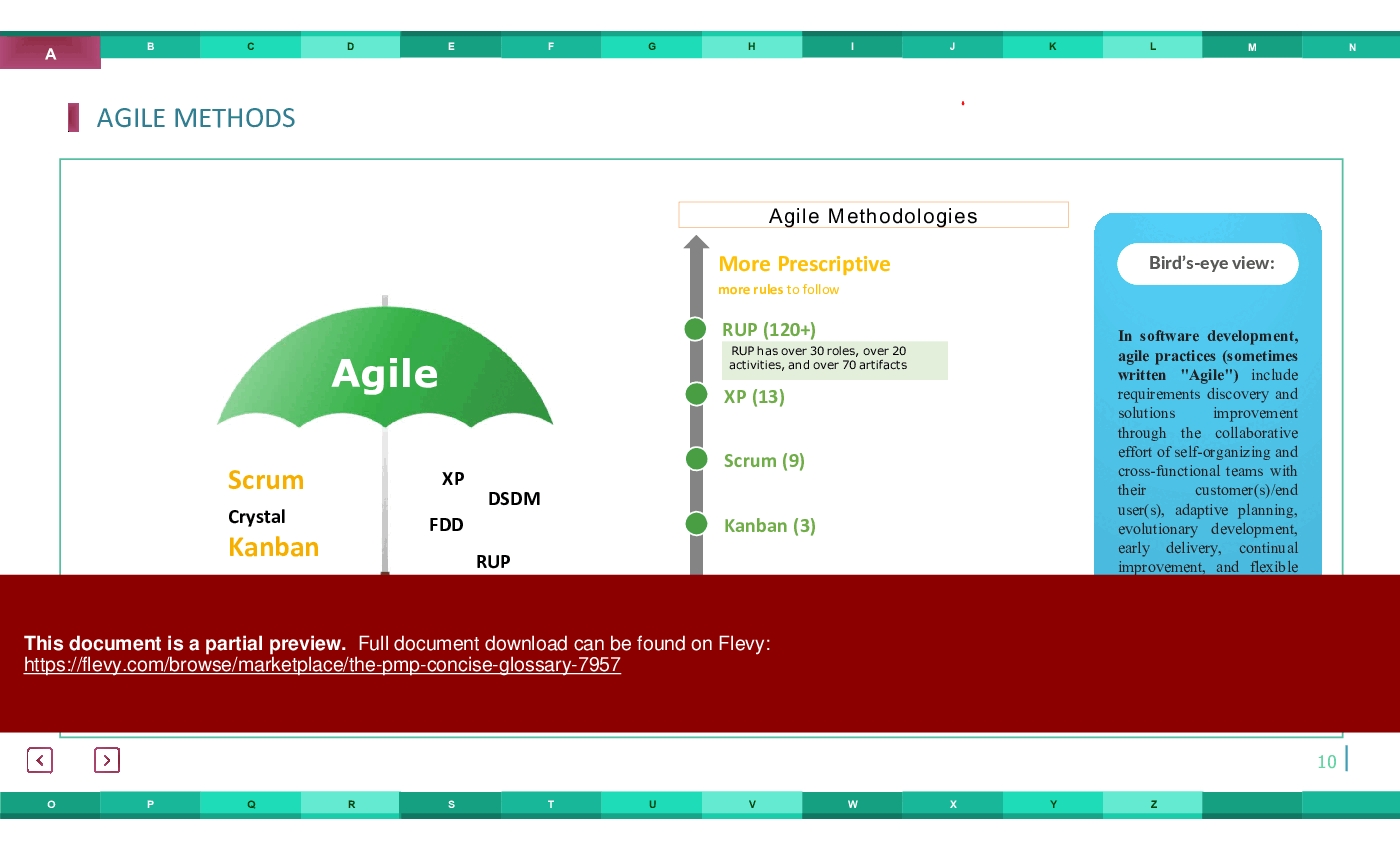
• Agile (page 9)
• Burn Chart (page 12)
• Cost Baseline (page 17)
• Earned Value Analysis (page 30)
• Risk Management (page 77)
• Glossary (page 100)
Primary Topics Covered
• Inclusions and Exclusions - This section outlines the terms included in the glossary, focusing on those unique to project management and their specific meanings.
• Common Acronyms - A comprehensive list of acronyms frequently used in project management, providing quick reference for practitioners.
• Definitions - Detailed explanations of key project management terms, ensuring clarity and understanding.
• Affinity Diagram - A tool for organizing ideas and identifying relationships among various project management concepts.
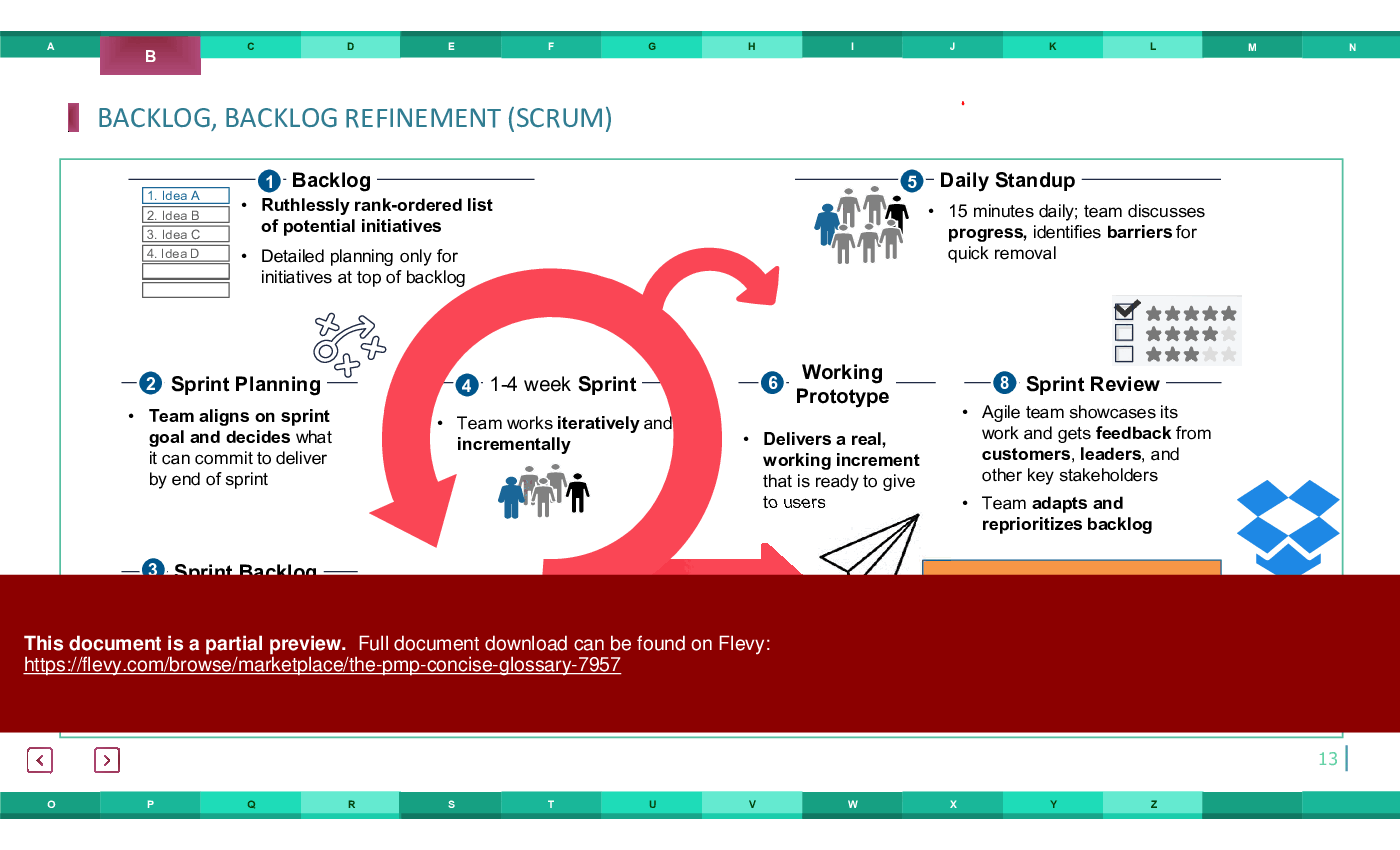
• Agile - An overview of Agile methodologies, principles, and practices relevant to modern project management.
• Burn Chart - A visual representation of project progress, illustrating work completed versus work remaining.
• Cost Baseline - An essential concept for tracking project budgets and expenditures against planned costs.
• Earned Value Analysis - A method for assessing project performance in terms of cost and schedule efficiency.
• Risk Management - Strategies and processes for identifying, analyzing, and responding to project risks.
Deliverables, Templates, and Tools
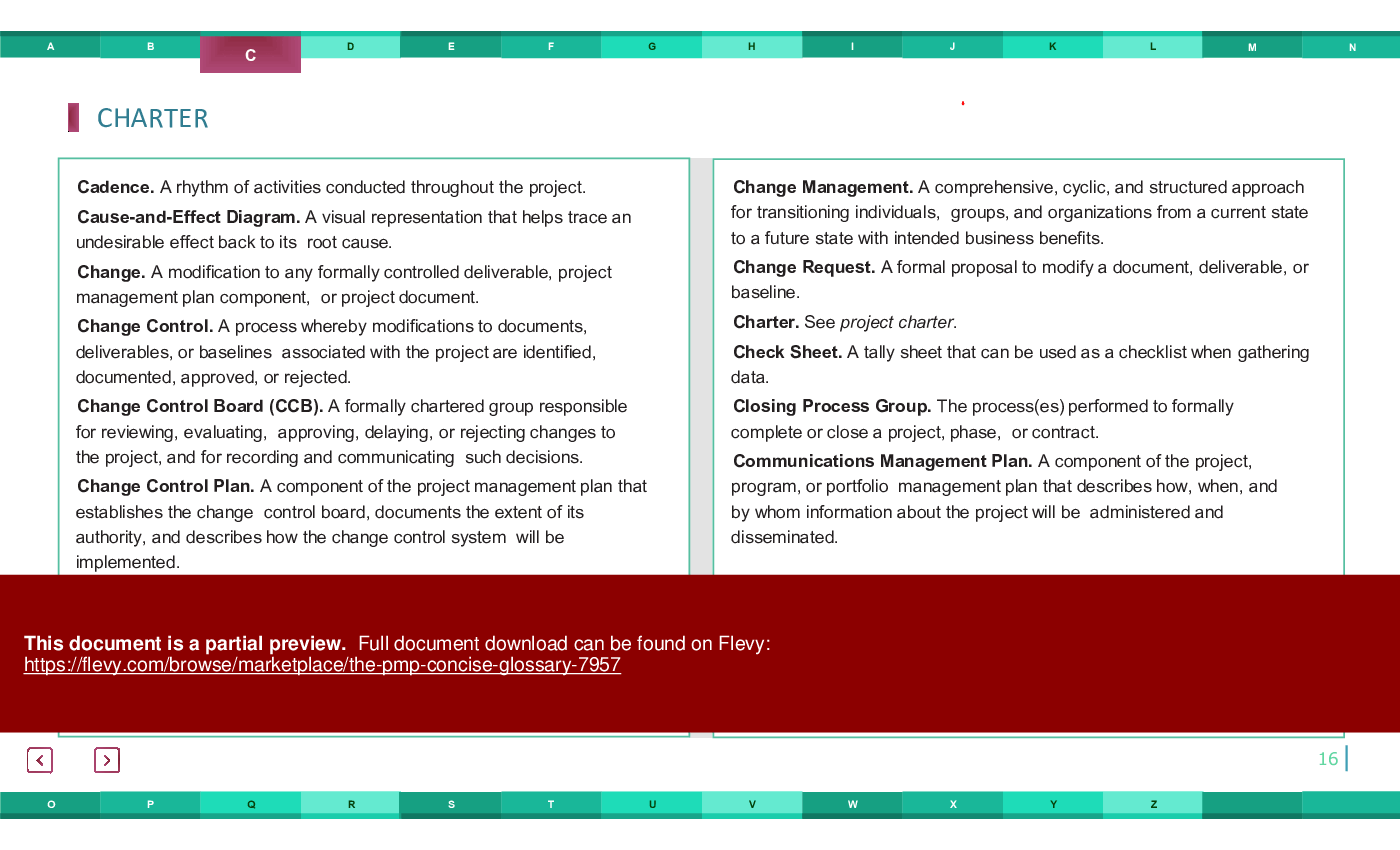
• Glossary of key project management terms
• Acronym reference sheet for quick access
• Affinity diagram template for organizing project ideas
• Burn chart template for tracking project progress
• Cost baseline template for budget management
• Earned value analysis framework for performance tracking
Slide Highlights
• Overview of key project management terms and their definitions
• Visual representation of the Affinity Diagram for idea organization
• Sample Burn Chart illustrating project progress
• Breakdown of Agile methodologies and their applications
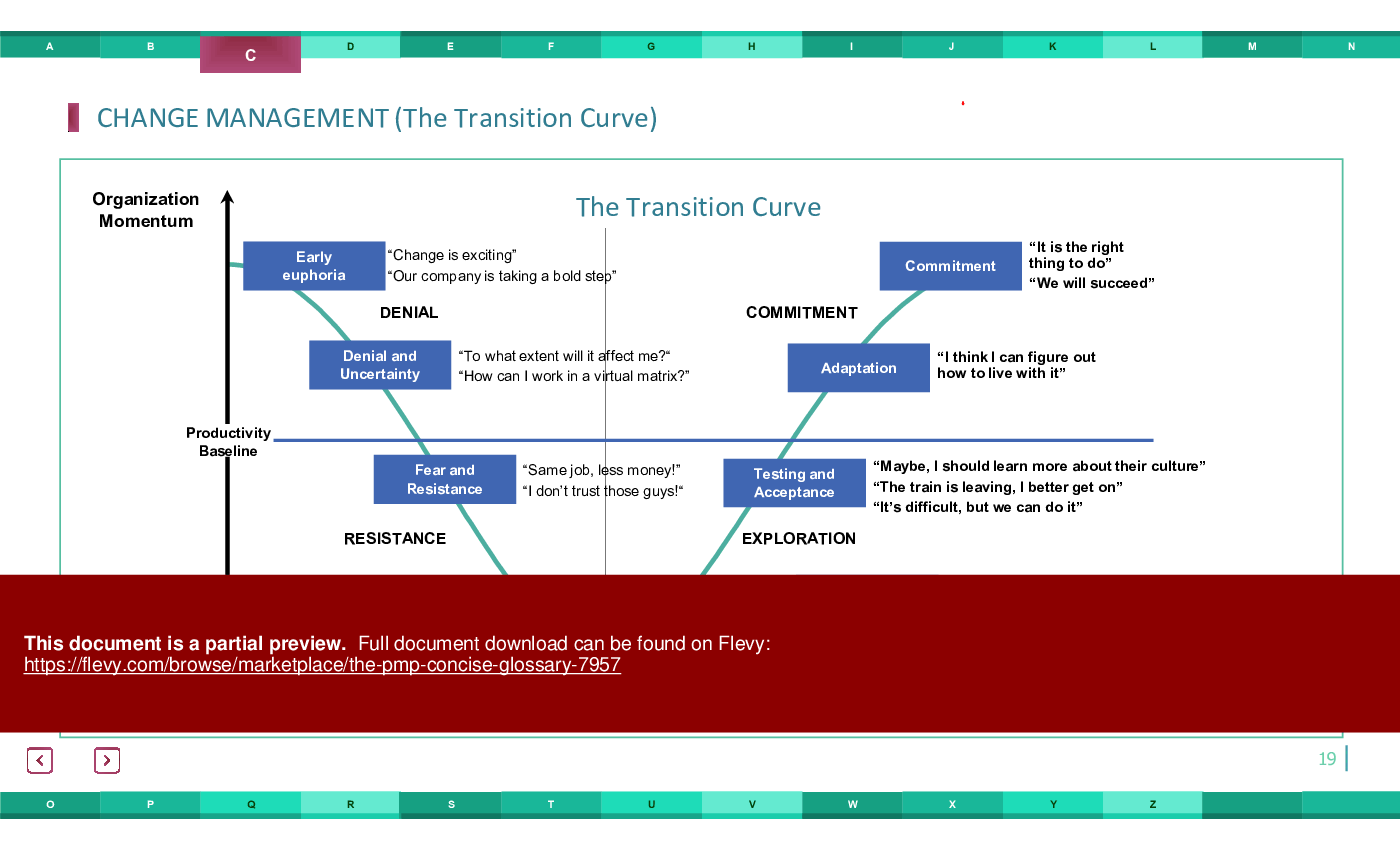
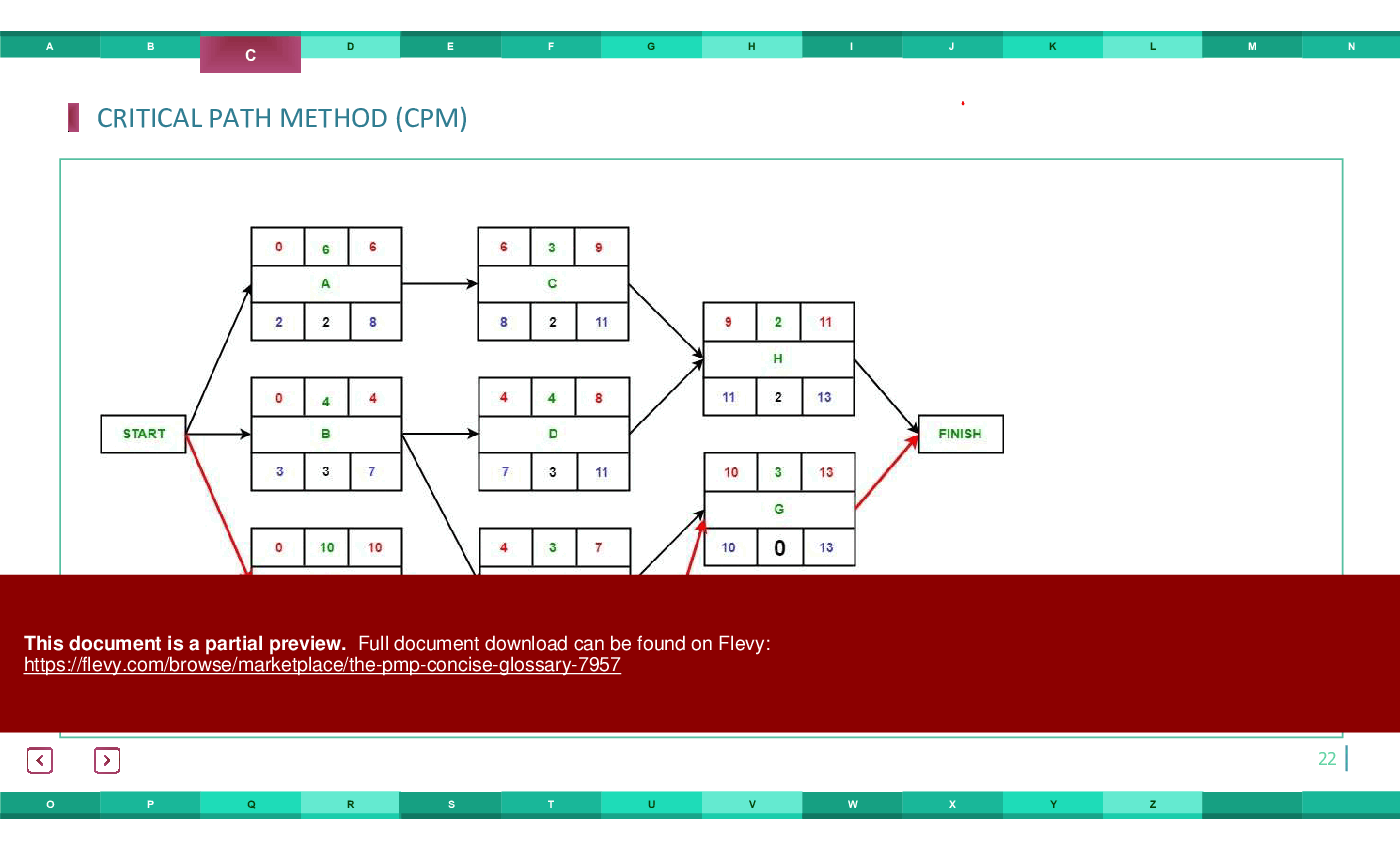
• Explanation of Earned Value Analysis with graphical examples
Potential Workshop Agenda
Introduction to Project Management Terms (30 minutes)
• Overview of the glossary and its importance
• Discussion on unique project management terminology
Interactive Session on Acronyms (45 minutes)
• Group activity to familiarize with common acronyms
• Application of acronyms in project scenarios
Deep Dive into Agile Methodologies (60 minutes)
• Exploration of Agile principles and practices
• Case studies on Agile implementation in projects
Glossary Application and Review (30 minutes)
• Hands-on practice using glossary terms in project contexts
• Q&A session to clarify any remaining questions
Customization Guidance
• Tailor the glossary to include organization-specific terms and acronyms
• Update examples in the glossary to reflect current projects or initiatives
• Incorporate team-specific terminology to enhance relevance
Secondary Topics Covered
• Project management frameworks and methodologies
• Techniques for effective communication in project teams
• Best practices for risk management and mitigation
• Tools for performance measurement and analysis
FAQ
What is the purpose of the PMP Concise Glossary?
The glossary serves as a reference for project management terminology, aiding in exam preparation and enhancing communication among project professionals.
Who developed this glossary?
The glossary was developed by a team of experts with consulting experience at McKinsey, Deloitte, and Capgemini, ensuring high-quality content.
How can I use this glossary effectively?
Utilize the glossary during project planning, execution, and while preparing for the PMP exam to ensure a clear understanding of key terms.
Are all project management terms included in the glossary?
No, the glossary focuses on terms unique to project management or those with specific meanings in this context, excluding general usage terms.
Can I customize the glossary for my team?
Yes, you can tailor the glossary to include organization-specific terms and examples relevant to your projects.
Is this glossary aligned with the PMBOK Guide?
Yes, the glossary is based on the PMBOK Guide (6th & 7th Edition), ensuring alignment with recognized project management standards.
How often should I refer to the glossary?
Refer to the glossary regularly, especially during project meetings, planning sessions, and while studying for the PMP exam.
What are some key terms included in the glossary?
Key terms include Acceptance Criteria, Agile, Earned Value, and Risk Management, among others.
Glossary
• Acceptance Criteria - A set of conditions required to be met before deliverables are accepted.
• Agile - A mindset of values and principles for iterative development and collaboration.
• Burn Chart - A graphical representation of work completed versus work remaining.
• Cost Baseline - The approved version of the project budget used for comparison.
• Earned Value (EV) - A measure of work performed expressed in terms of the budget authorized for that work.
• Risk Management - The process of identifying, analyzing, and responding to project risks.
• Stakeholder - An individual or group that may affect or be affected by a project.
• Work Breakdown Structure (WBS) - A hierarchical decomposition of the total scope of work to be carried out by the project team.
• Variance - A quantifiable deviation from a known baseline or expected value.
• Velocity - A measure of a team's productivity rate in delivering project outputs.
• User Story - A brief description of an outcome for a specific user, which serves as a promise for a conversation to clarify details.
• Value Stream Mapping - A method used to analyze and improve the flow of information or materials in a process.
Source: Best Practices in PMP PowerPoint Slides: PMP Concise Glossary PowerPoint (PPTX) Presentation Slide Deck, RadVector Consulting




























