
 Click main image to view in full screen. Unlock all 22 preview images:
Strategic Business Process Management – PowerPoint PPTX Template
PowerPoint (PPTX) 81 Slides


BENEFITS OF THIS DOWNLOADABLE POWERPOINT DOCUMENT
- Empowers you to implement value management principles seamlessly into your business processes, ensuring alignment with strategic objectives and continuous improvement.
- Equips you with practical measurement and evaluation methods, enabling precise tracking of Key Performance Indicators and informed, data-driven decision-making for enhanced business process performance.
- Guides you in creating a solid foundation for aligning internal processes and functions, fostering a cohesive organizational structure.
BPM PPT TEMPLATE DESCRIPTION
Curated by McKinsey-trained Executives
The presentation follows the headline-body-bumper slide format used by global consulting firms.
Unleash Success with Our Comprehensive Strategic Business Process Management Toolkit
In the dynamic landscape of business, adaptability and efficiency are the keys to success. Today, more than ever, organizations need a robust strategy to streamline their operations, optimize processes, and achieve sustainable growth. Introducing our Strategic Business Process Management Toolkit – an 80+ slides PowerPoint deck meticulously crafted to equip you with the knowledge and tools needed to revolutionize your business processes.
CONTENT OVERVIEW:
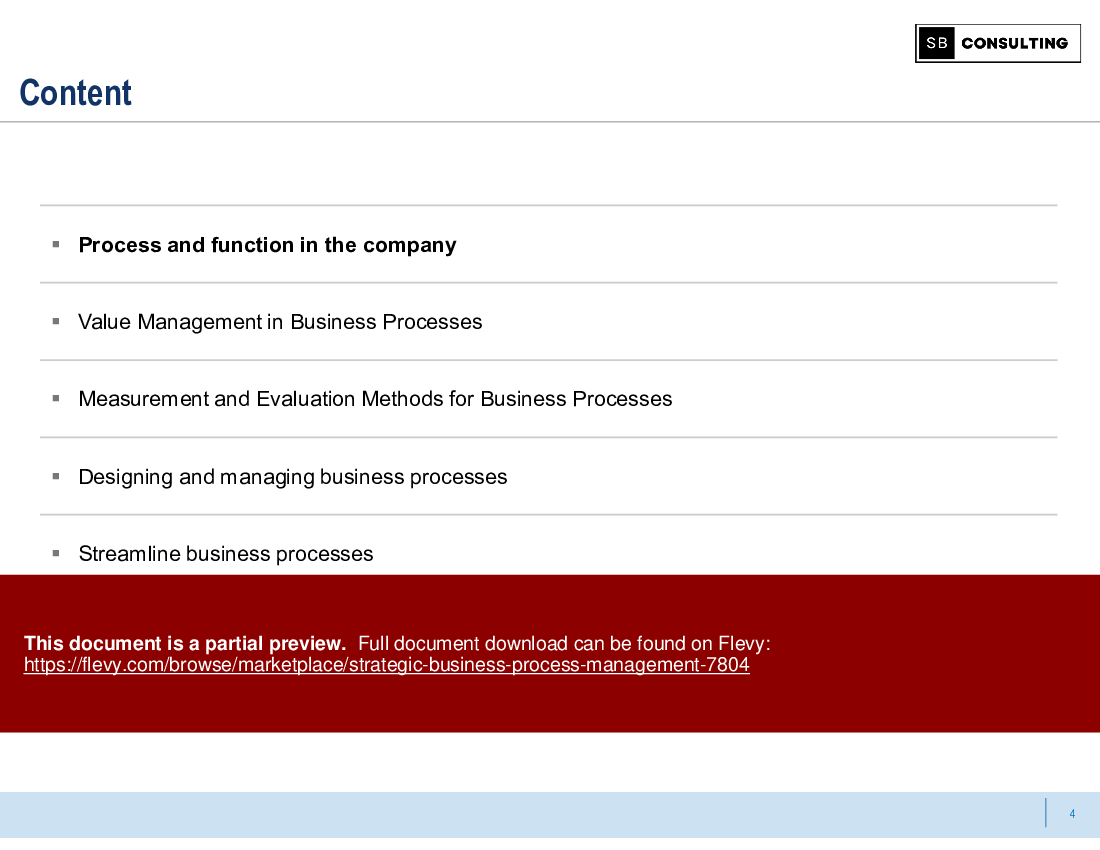
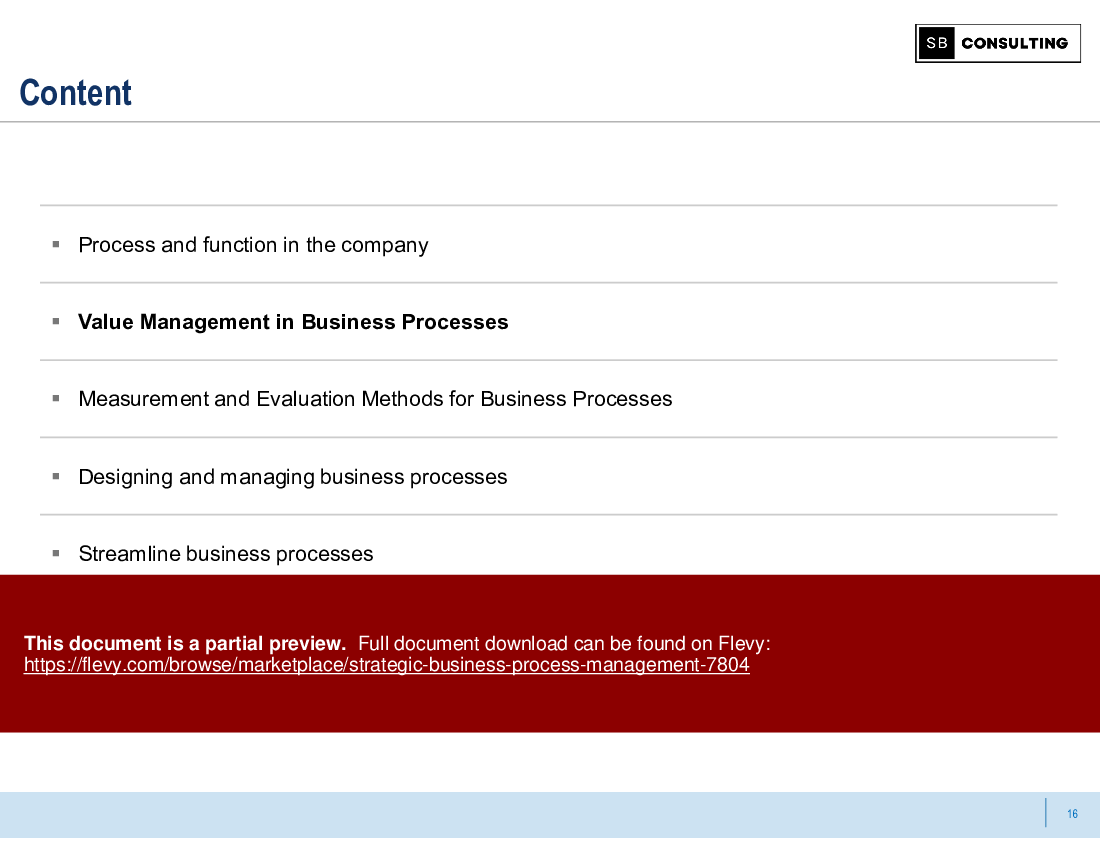
• Process and Function in the Company
• Value Management in Business Processes
• Measurement and Evaluation Methods for Business Processes
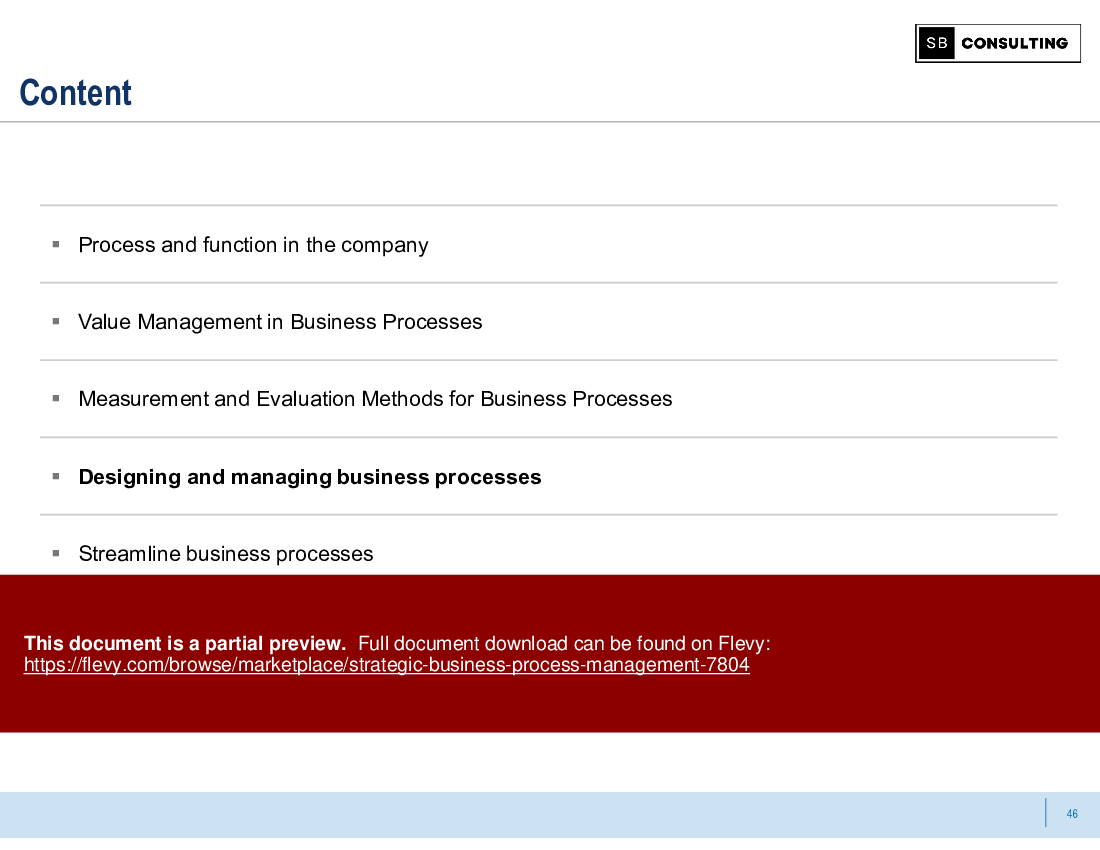
• Designing and Managing Business Processes
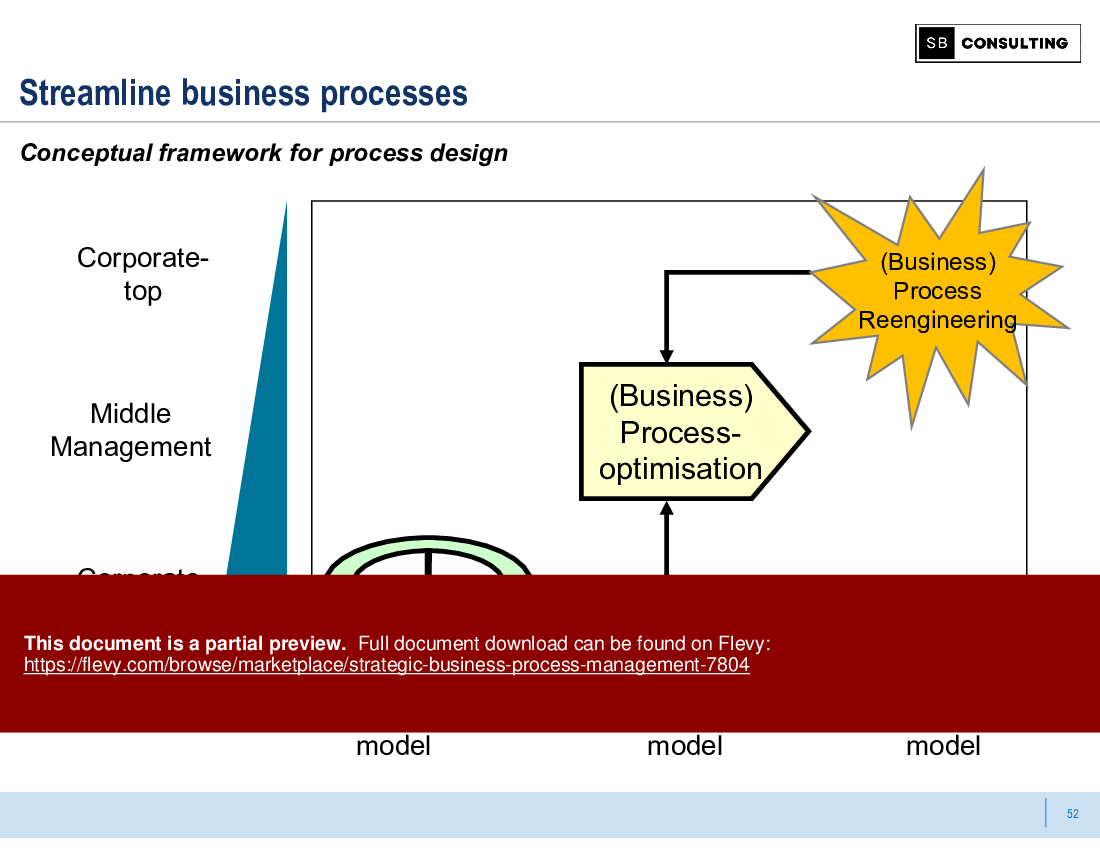
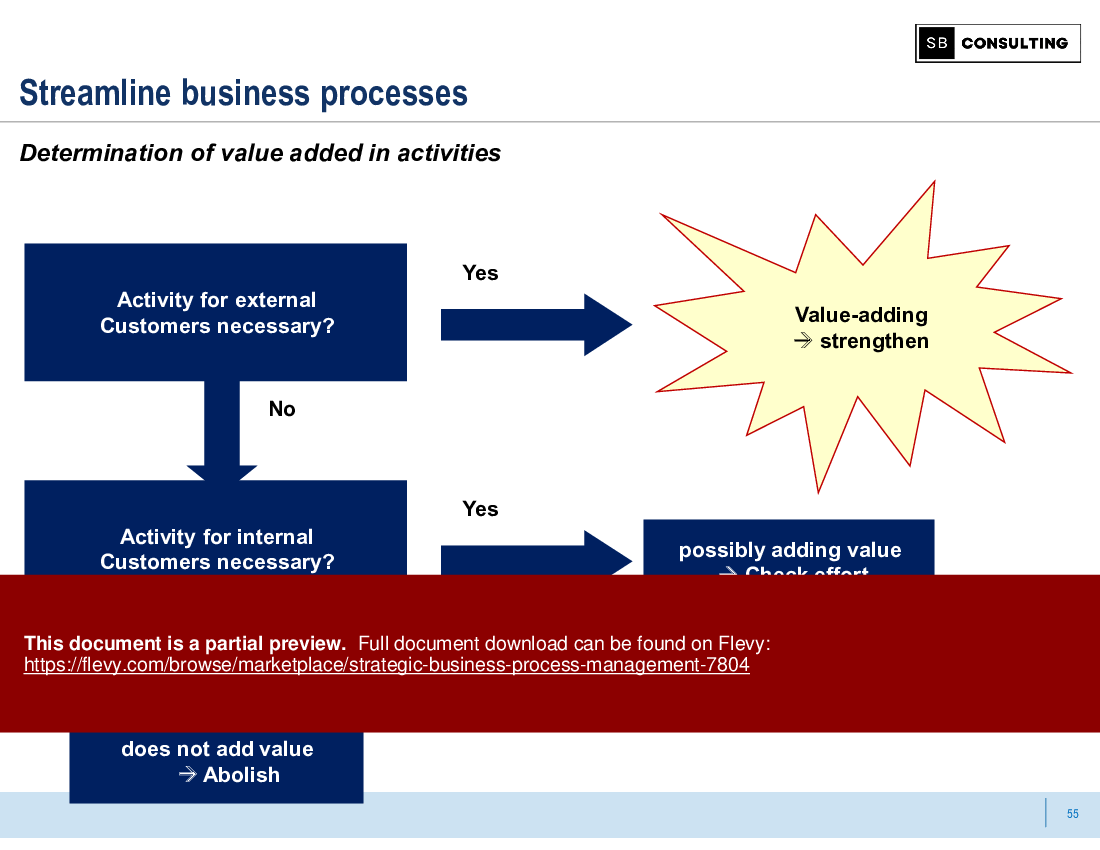
• Streamline Business Processes
• Process Organization and Process Management
Learning Objective 1: Process and Function in the Company
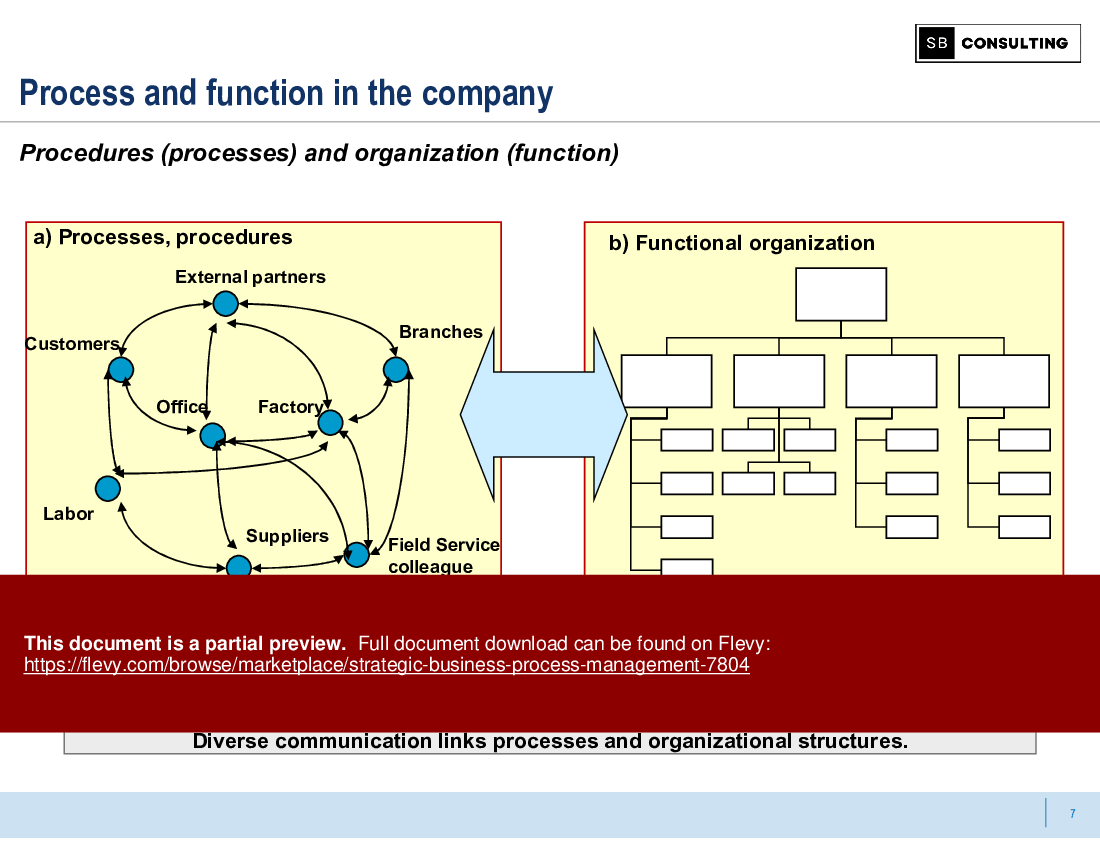
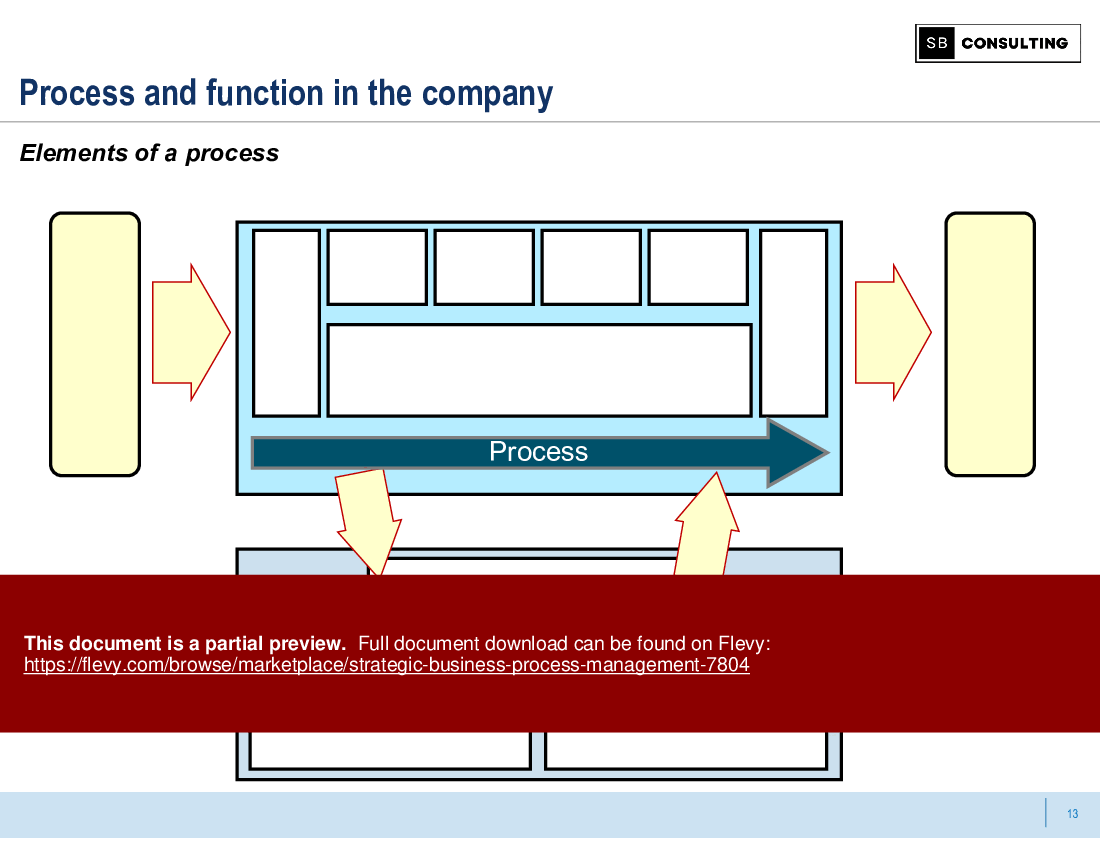
Unlock the secrets behind successful process and function alignment within your organization. Delve deep into understanding how each department and function contributes to the overall success of your business. Our toolkit provides a comprehensive overview, enabling you to identify opportunities for synergy and efficiency.
Key Takeaways:
• Establish a clear understanding of your company's internal processes and functions.
• Learn to map and analyze the interdependencies between different departments.
• Identify bottlenecks and areas for improvement in your current process landscape.
Learning Objective 2: Value Management in Business Processes
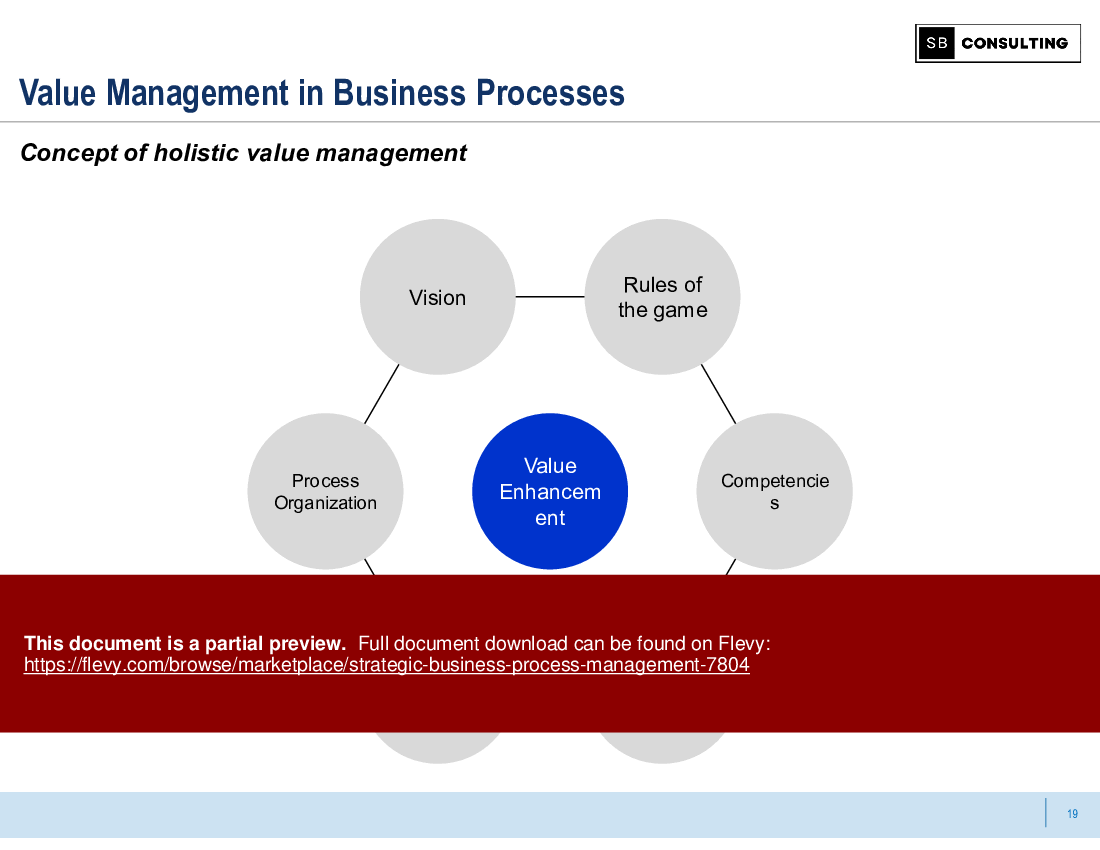
Discover the art of value management and how it can elevate your business processes to new heights. Our toolkit guides you through the process of identifying, creating, and delivering value at every stage of your operations.
Key Takeaways:
• Learn the principles of value management and its application in business processes.
• Understand how to align business processes with strategic objectives to maximize value.
• Implement strategies to continuously monitor and enhance the value delivery mechanism.
Learning Objective 3: Measurement and Evaluation Methods for Business Processes
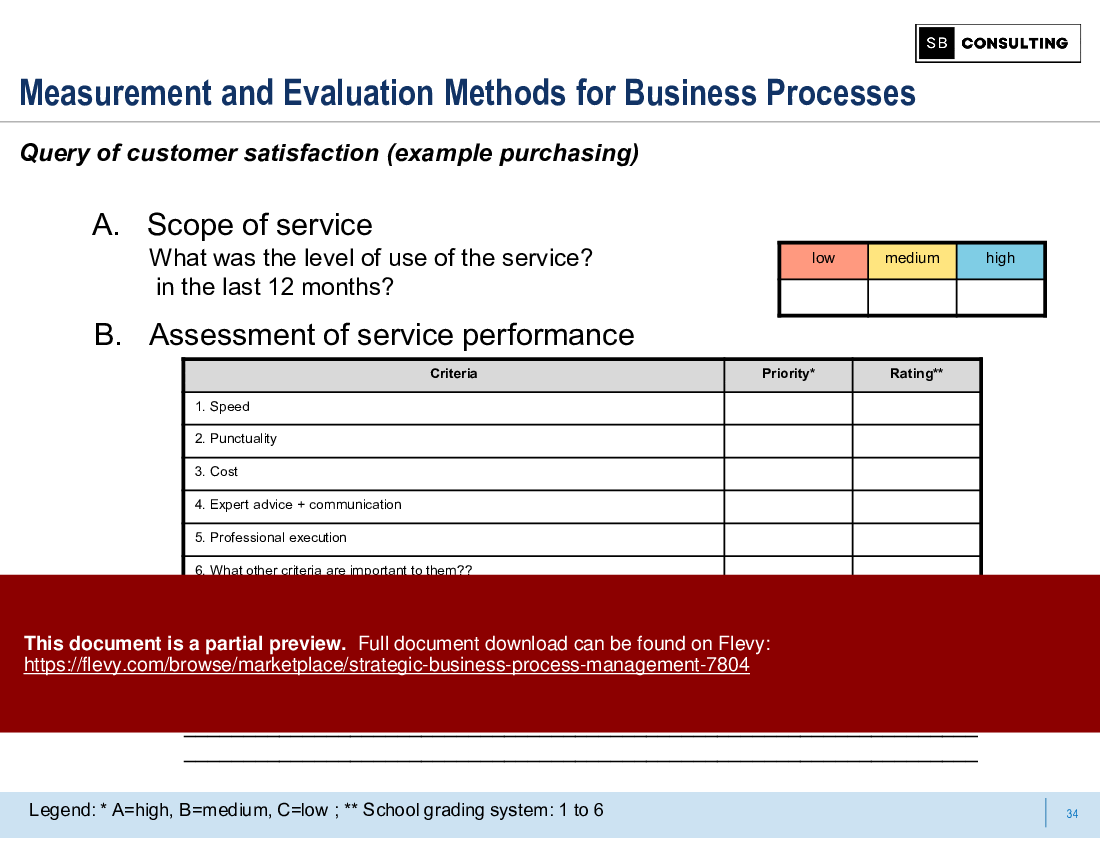
Numbers tell a story, and our toolkit ensures you can read it with precision. Dive into measurement and evaluation methods tailored for business processes, equipping you with the tools to gauge performance, identify KPIs, and drive continuous improvement.
Key Takeaways:
• Master the art of selecting and defining meaningful Key Performance Indicators (KPIs).
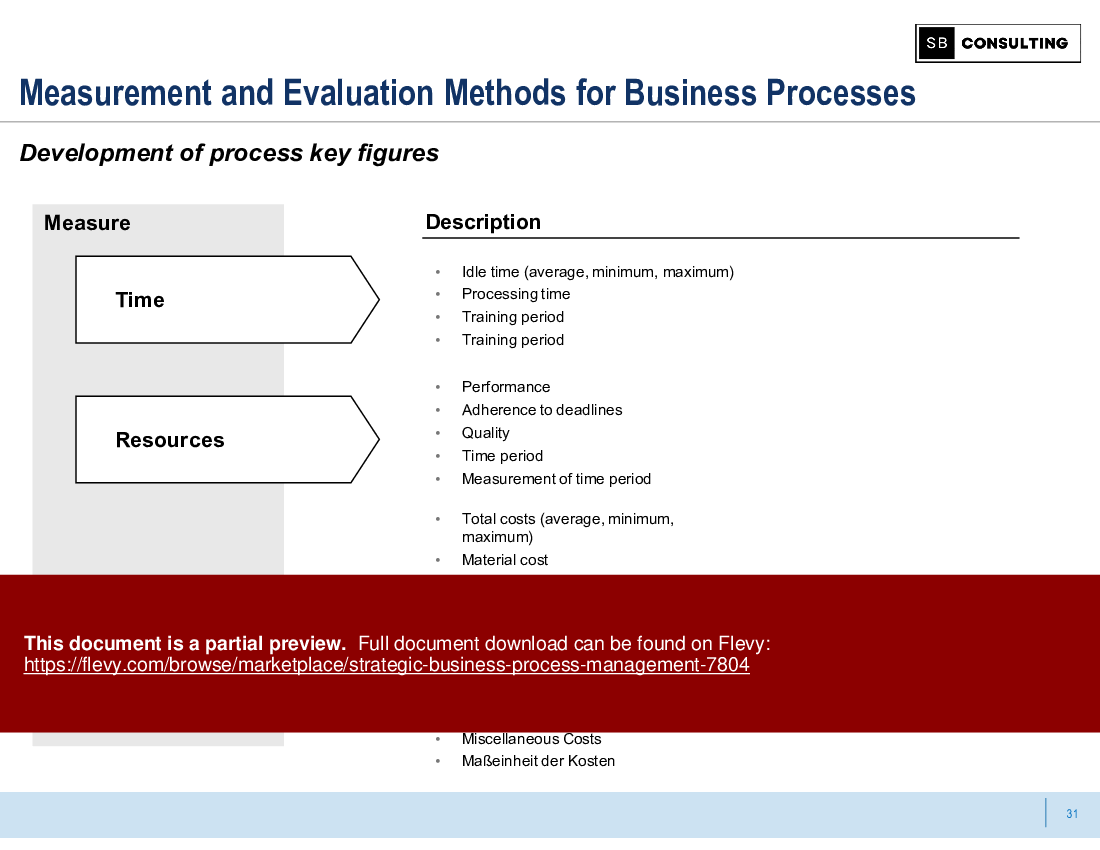
• Learn proven methods to measure and evaluate the effectiveness of your business processes.
• Implement data-driven decision-making to enhance overall business performance.
Learning Objective 4: Designing and Managing Business Processes
Crafting seamless and efficient business processes is an art, and our toolkit serves as your masterpiece guide. From process design principles to effective management strategies, this module covers it all.
Key Takeaways:
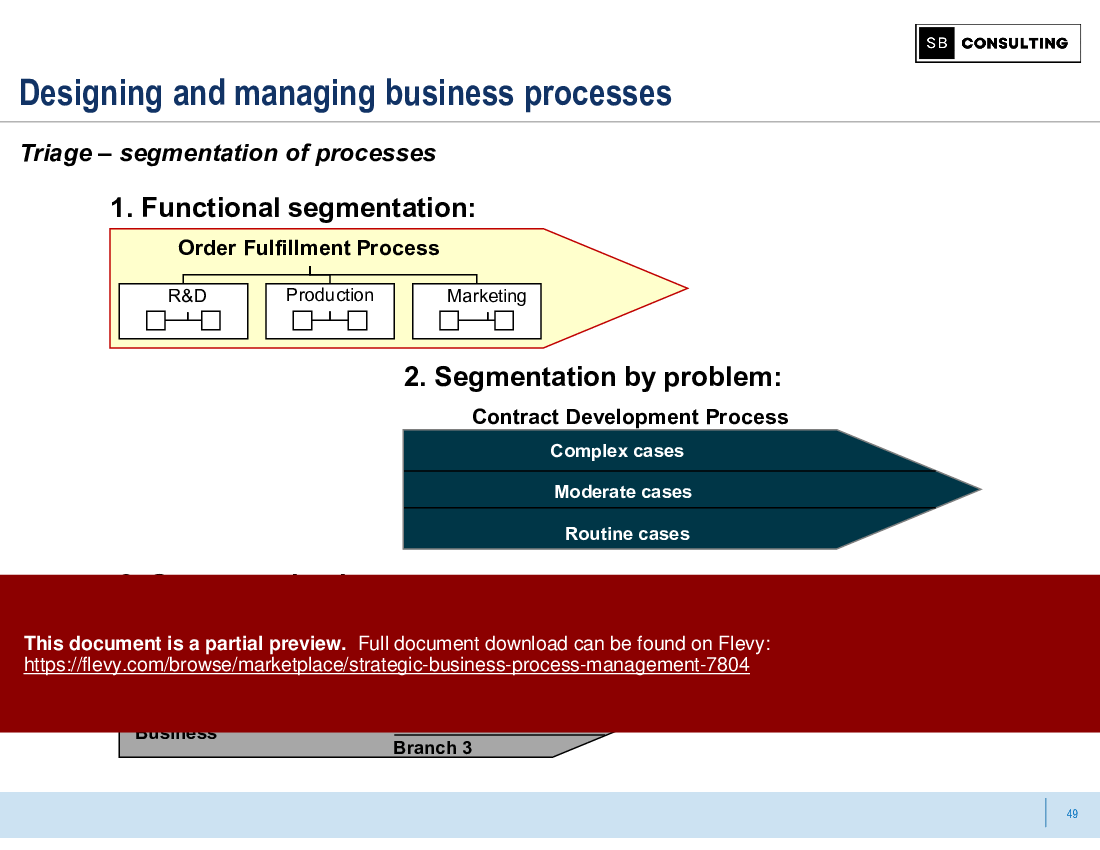
• Understand the principles of effective process design.
• Learn how to create processes that are adaptable to change and growth.
• Gain insights into best practices for ongoing process management.
Learning Objective 5: Streamline Business Processes
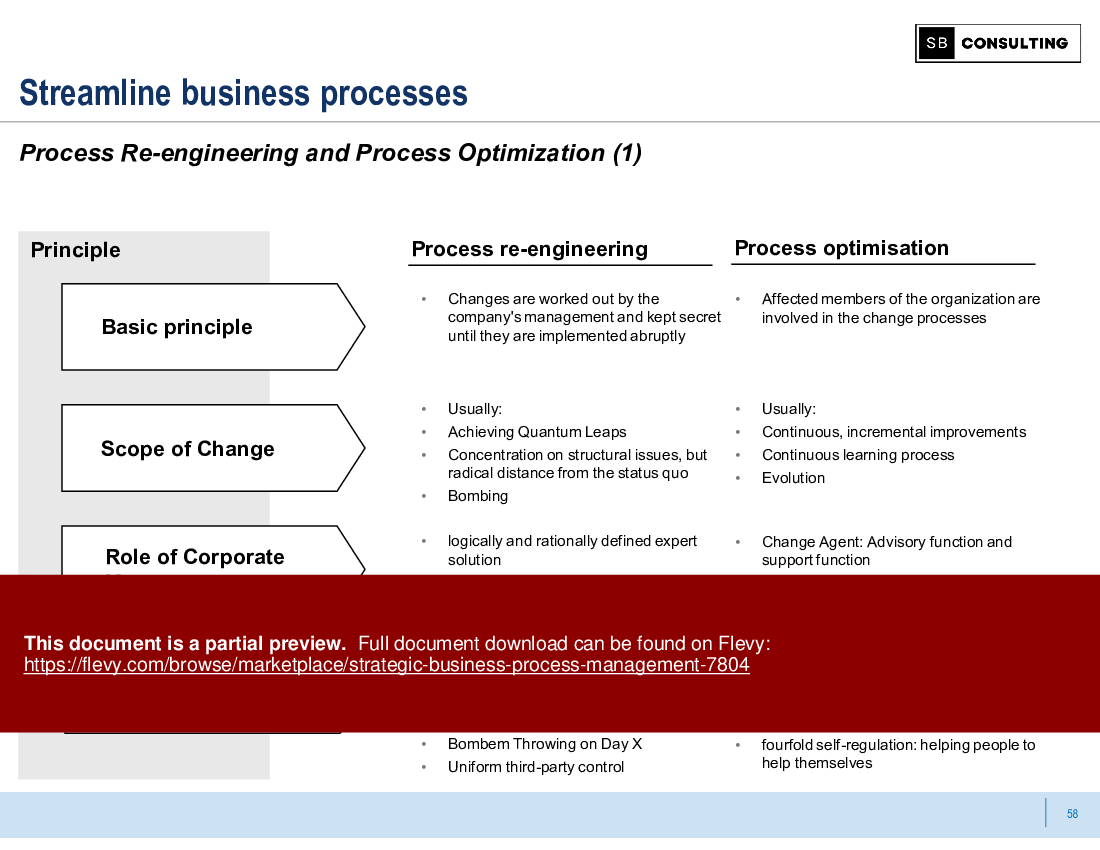
Efficiency is the cornerstone of success. Uncover the secrets to streamline your business processes, eliminating redundancies and optimizing workflows for maximum output.
Key Takeaways:
• Identify opportunities for automation and process optimization.
• Implement strategies to reduce operational costs while maintaining high-quality outputs.
• Streamline communication channels to enhance collaboration and information flow.
Learning Objective 6: Process Organization and Process Management
Organizing your processes for optimal performance is a strategic advantage. Our toolkit provides a roadmap for effective process organization and management, ensuring sustainability and adaptability.
Key Takeaways:
• Establish a clear hierarchy and structure for your processes.
• Develop skills in leading and managing cross-functional teams.
• Implement change management strategies to adapt processes to evolving business needs.
Elevate Your Business Today!
In conclusion, our Strategic Business Process Management Toolkit is your comprehensive guide to achieving operational excellence. With over 80 slides packed with actionable insights, real-world examples, and practical strategies, this toolkit is designed to empower you and your team to drive transformative change within your organization.
Don't let inefficiencies hold you back – invest in your success with our Strategic Business Process Management Toolkit today! Unlock the potential for growth, efficiency, and innovation that lies within your business processes. Embrace the future of business management – order your toolkit now!
Key Words:
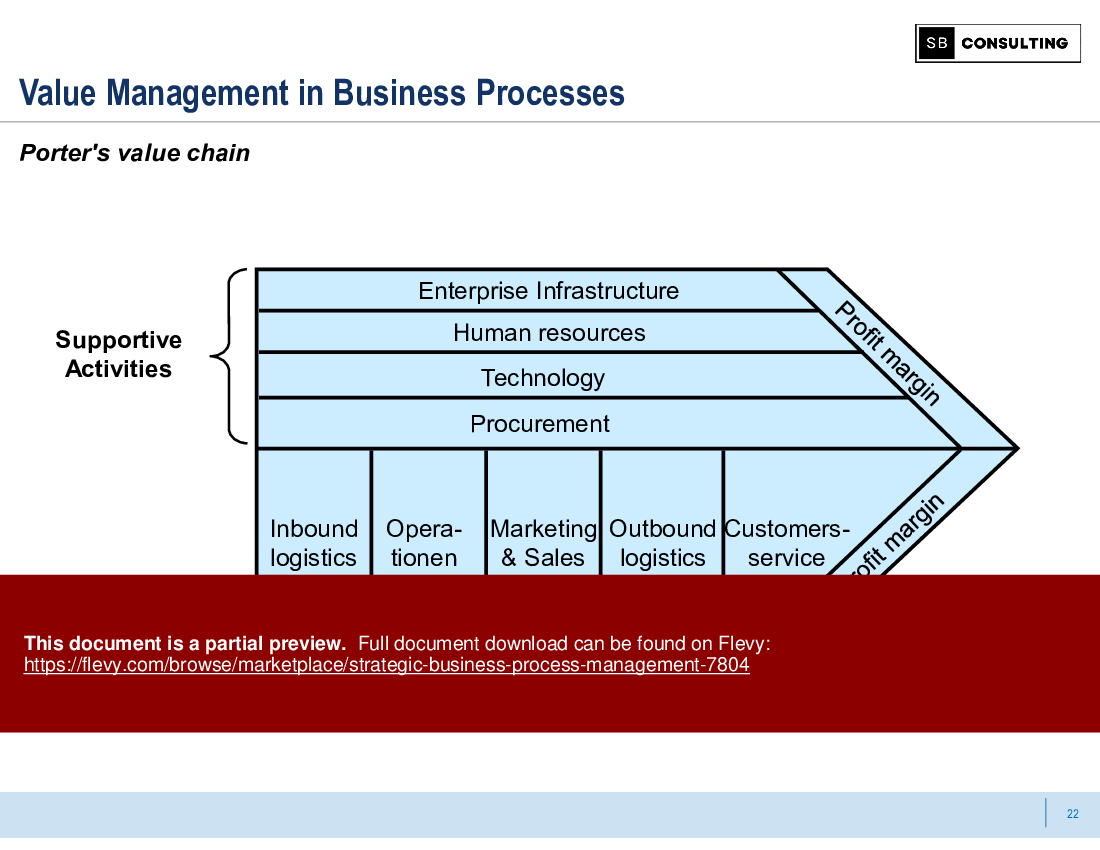
Strategy & Transformation, Growth Strategy, Strategic Planning, Strategy Frameworks, Innovation Management, Pricing Strategy, Core Competencies, Strategy Development, Business Transformation, Marketing Plan Development, Product Strategy, Breakout Strategy, Competitive Advantage, Mission, Vision, Values, Strategy Deployment & Execution, Innovation, Vision Statement, Core Competencies Analysis, Corporate Strategy, Product Launch Strategy, BMI, Blue Ocean Strategy, Breakthrough Strategy, Business Model Innovation, Business Strategy Example, Corporate Transformation, Critical Success Factors, Customer Segmentation, Customer Value Proposition, Distinctive Capabilities, Enterprise Performance Management, KPI, Key Performance Indicators, Market Analysis, Market Entry Example, Market Entry Plan, Market Intelligence, Market Research, Market Segmentation, Market Sizing, Marketing, Michael Porter's Value Chain, Organizational Transformation, Performance Management, Performance Measurement, Platform Strategy, Product Go-to-Market Strategy, Reorganization, Restructuring, SWOT, SWOT Analysis, Service 4.0, Service Strategy, Service Transformation, Strategic Analysis, Strategic Plan Example, Strategy Deployment, Strategy Execution, Strategy Frameworks Compilation, Strategy Methodologies, Strategy Report Example, Value Chain, Value Chain Analysis, Value Innovation, Value Proposition, Vision Statement, Corporate Strategy, Business Development, Business Process Management ppt, Business Process ppt, Introduction to business process management ppt, process management ppt
NOTE:Our digital products are sold on an "as is" basis, making returns and refunds unavailable post-download. Please preview and inquire before purchasing. Please contact us before purchasing if you have any questions! This policy aligns with the standard Flevy Terms of Usage.
Got a question about the product? Email us at support@flevy.com or ask the author directly by using the "Ask the Author a Question" form. If you cannot view the preview above this document description, go here to view the large preview instead.
PRESENTATION DEEP DIVE ANALYSIS
This deep-dive analysis was generated from the full 81-slide PowerPoint presentation.
BPM PPT TEMPLATES

Source: Best Practices in BPM PowerPoint Slides: Strategic Business Process Management PowerPoint (PPTX) Presentation Slide Deck, SB Consulting
ABOUT THE AUTHOR
SB Consulting is dedicated to empowering businesses to communicate their ideas with impact. This consulting firm specializes in teaching organizations how to create effective corporate and management presentations. With training from top-tier global consulting firms, including McKinsey, BCG, and Porsche Consulting, extensive expertise in presentation design and ... [read more]
Ask the Author a Question
You must be logged in to contact the author.




























