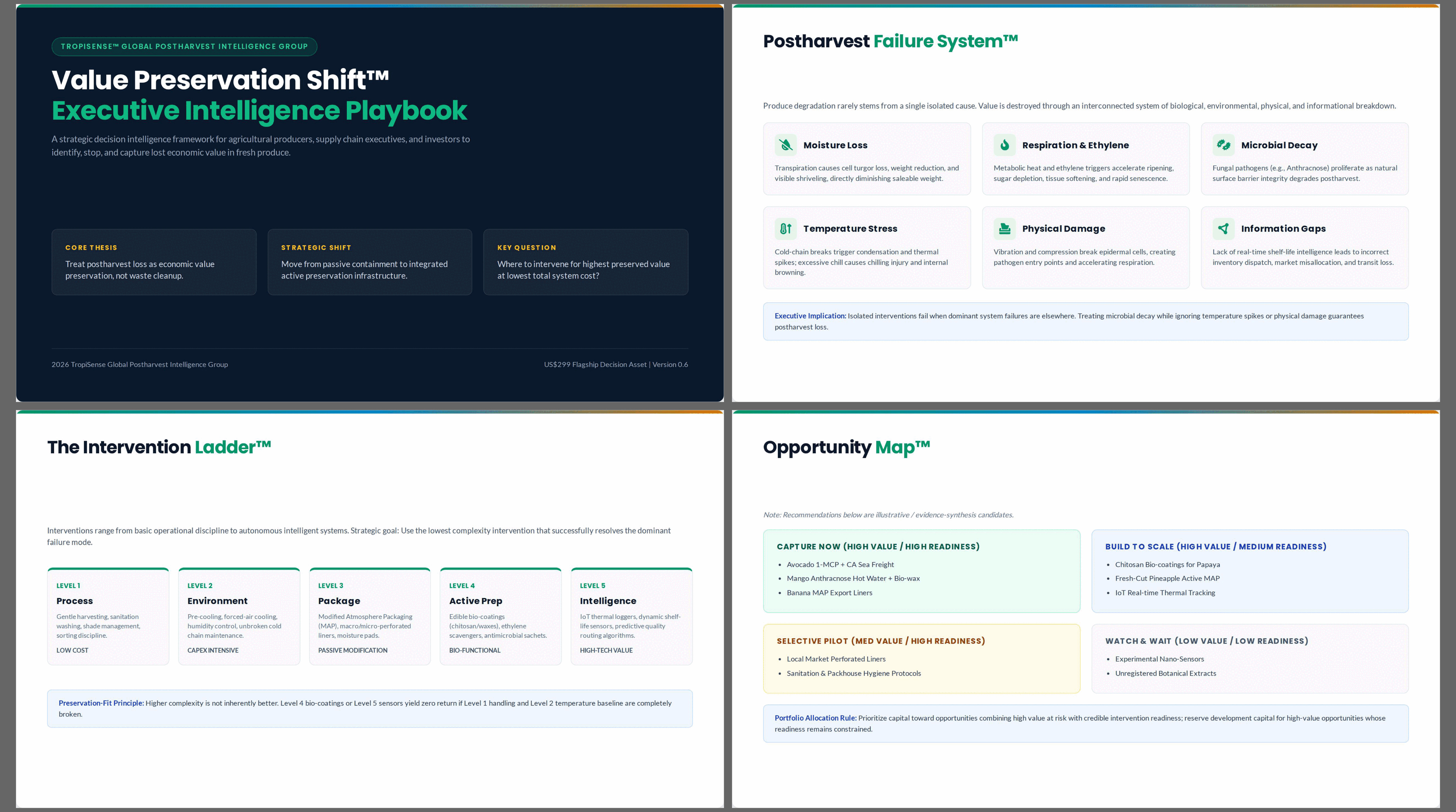
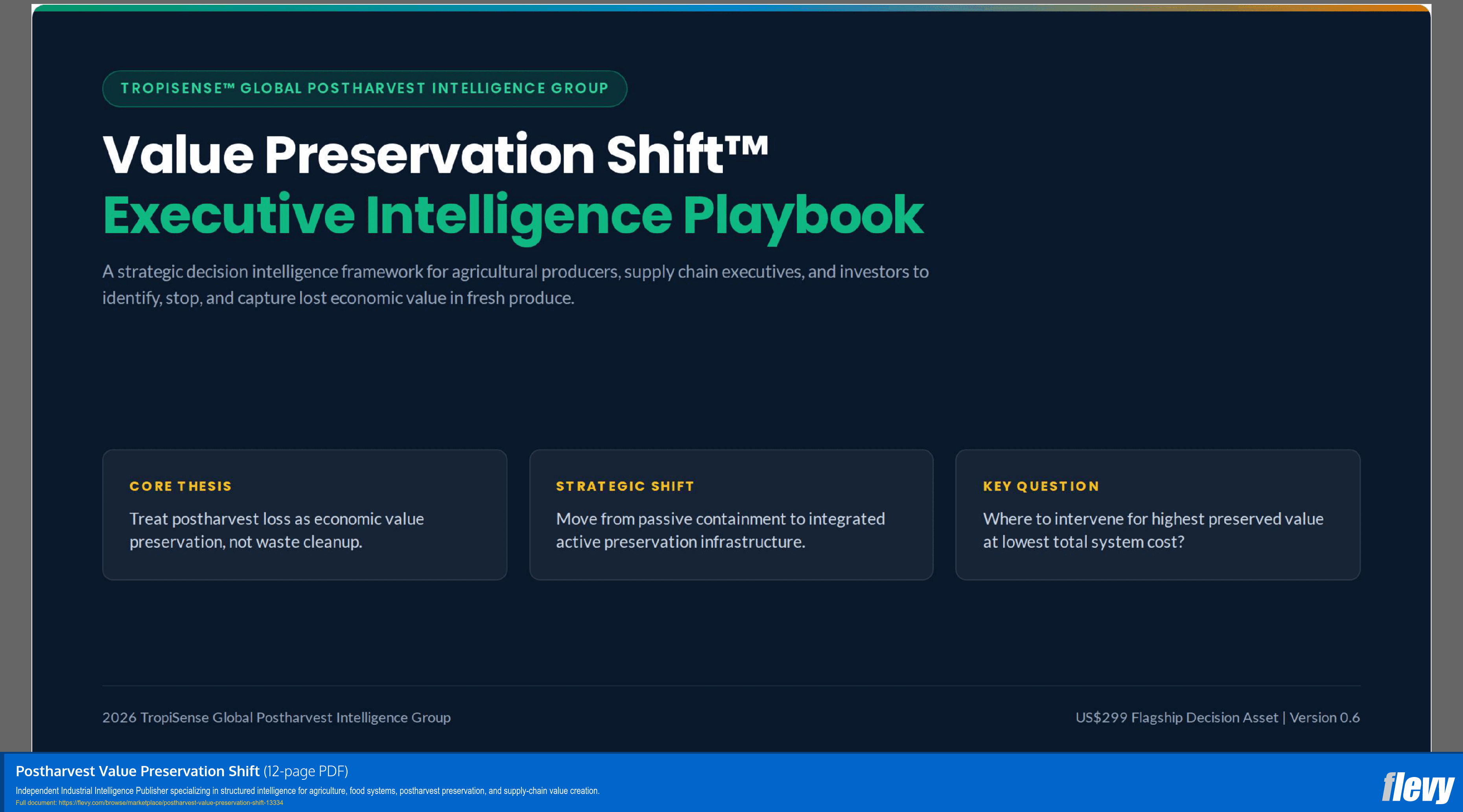
 Click main image to view in full screen.
Postharvest Value Preservation Shift – PDF
PDF document 12 Pages


BENEFITS OF THIS DOWNLOADABLE PDF DOCUMENT
- Provides a structured framework for identifying and prioritizing postharvest preservation opportunities based on value at risk, failure mechanisms, intervention fit, and deployment readiness.
- Translates complex postharvest science, preservation technologies, and supply-chain dynamics into practical executive decision tools and reusable methodologies.
- Enables economic evaluation of preservation opportunities by connecting expected preserved value with total system cost through the Value Preservation ROI™ framework.
AGRICULTURE INDUSTRY PDF DESCRIPTION
The Postharvest Value Preservation Shift™ is an Executive Intelligence Playbook for decision-makers seeking to reduce postharvest value destruction, improve preservation economics, and identify commercially viable opportunities across tropical food and agricultural supply chains.
The playbook reframes postharvest loss from a waste-management problem into a value-preservation challenge. Instead of asking only how much food is lost, it asks where economic value is being destroyed, which failure mechanisms are responsible, which intervention fits the commodity and operating environment, and whether the resulting preservation value can justify the total system cost.
Inside the playbook, you will find:
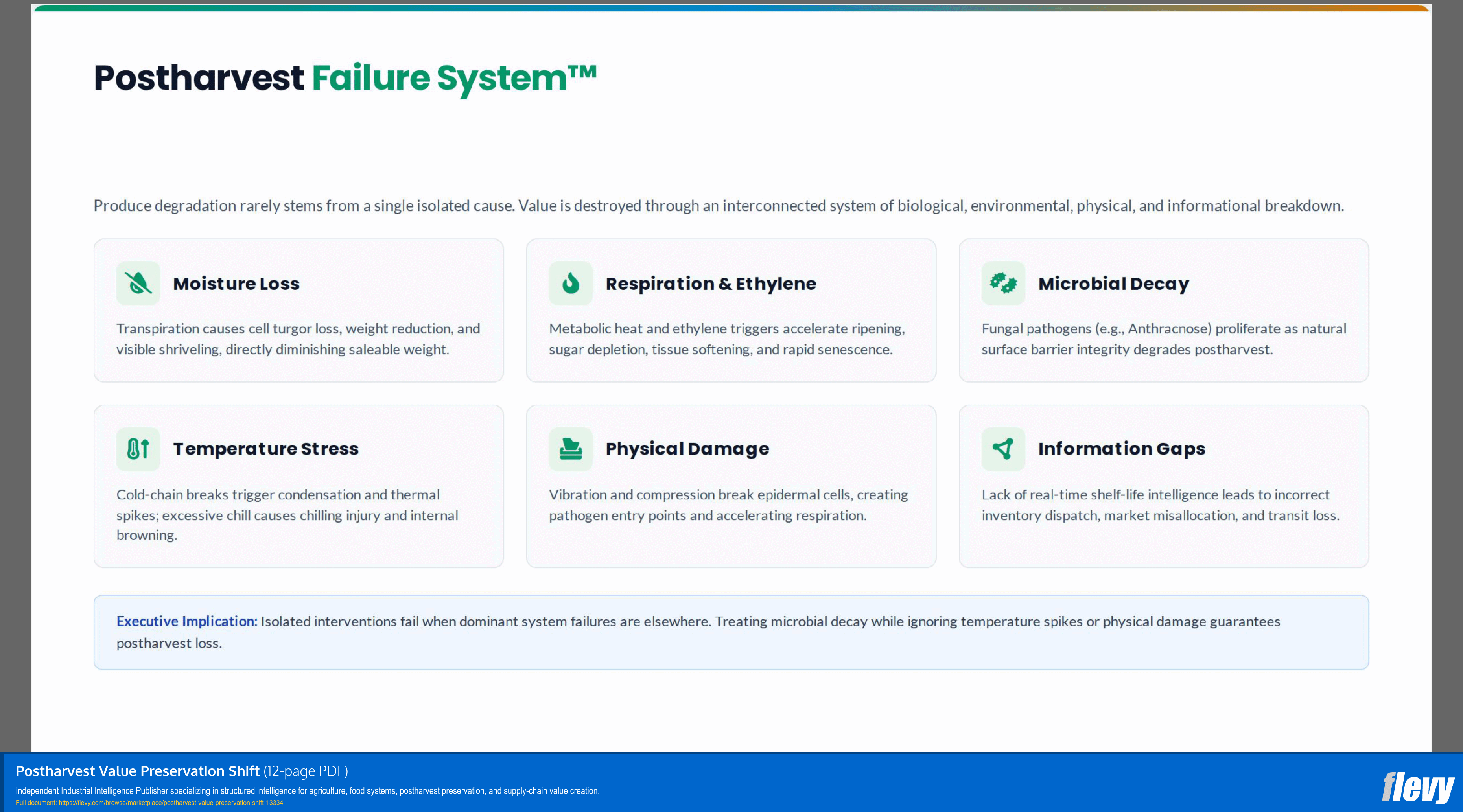
• Postharvest Failure System™ – a structured view of six critical deterioration mechanisms: moisture loss, respiration and ethylene, microbial decay, temperature stress, physical damage, and information gaps.
• The Preservation Shift – a strategic transition from passive containment toward integrated active preservation combining physiology, packaging, environment, and information.
• Value Preservation Stack™ – a five-layer framework connecting product physiology, failure mechanism, intervention selection, system integration, and value capture.
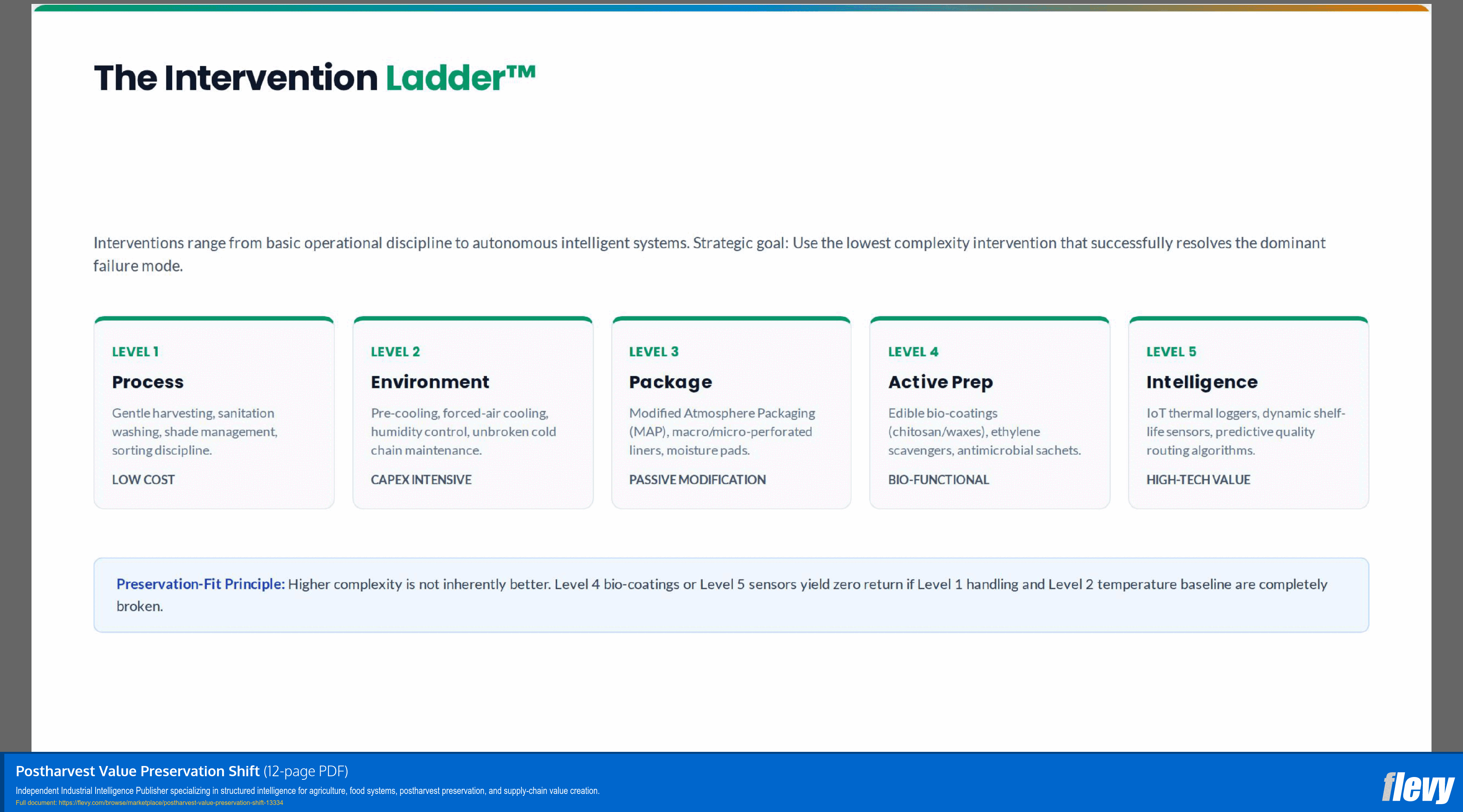
• Intervention Ladder™ – a structured pathway for evaluating process, environmental, packaging, active-preservation, and intelligent interventions according to the level of complexity required.
• Intervention Viability Matrix™ – an eight-criterion screening framework covering technical efficacy, commodity fit, operational fit, cold-chain resilience, unit economics, regulatory status, consumer and market acceptance, and scalability.
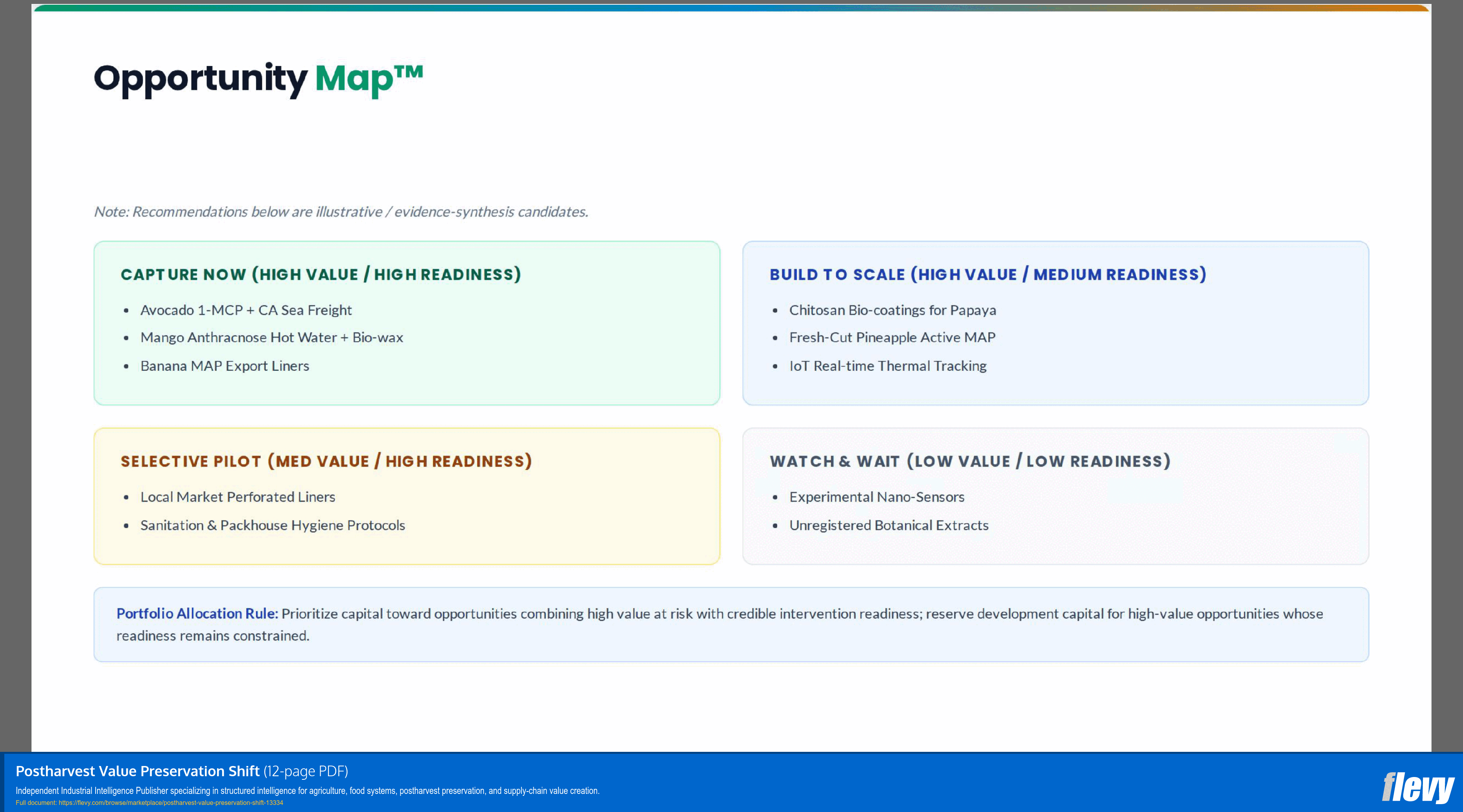
• Opportunity Map™ – a portfolio framework for distinguishing Capture Now, Build to Scale, Selective Pilot, and Watch & Wait opportunities.
• Value Preservation ROI™ – an economic model for comparing preserved value against total preservation cost without relying on unsupported universal ROI assumptions.
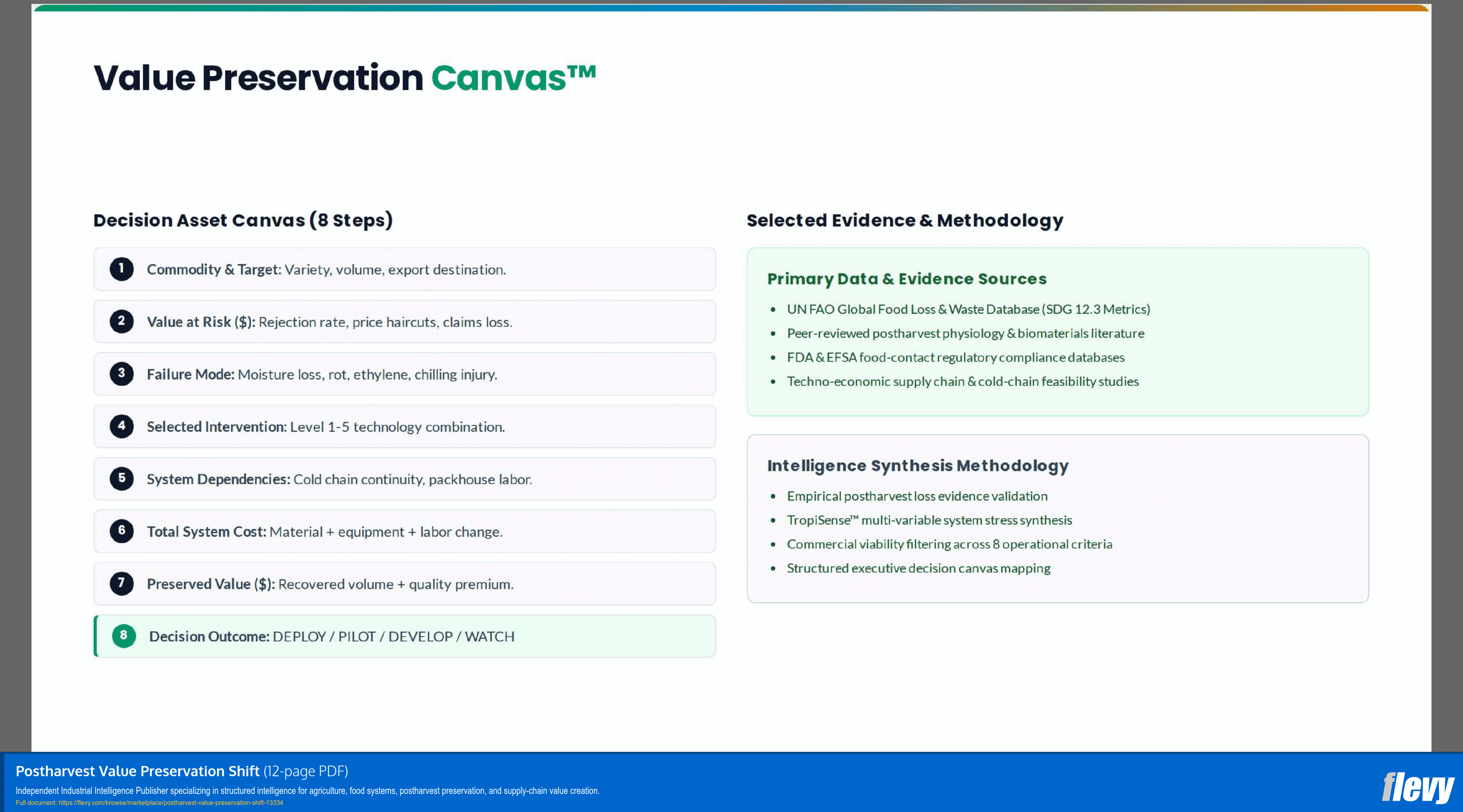
• Value Preservation Canvas™ – a reusable decision tool connecting commodity, value at risk, failure mode, intervention, system dependencies, cost, preserved value, and decision outcome.
The playbook also presents five tropical commodity archetypes—mango, banana, papaya, avocado, and pineapple—to demonstrate how different postharvest failure patterns require different preservation strategies.
The analysis combines global food-loss evidence, peer-reviewed postharvest and food-preservation research, technology assessment, and structured intelligence synthesis to translate complex scientific and supply-chain dynamics into practical executive decision tools.
The core strategic principle is simple: the optimal preservation intervention is not necessarily the most sophisticated technology. It is the intervention with the strongest fit between the commodity's failure mechanism, operating environment, economic value, and deployment readiness.
This asset is designed for food producers, packhouses, exporters, processors, packaging and biomaterials companies, cold-chain operators, agri-food strategists, investors, and corporate innovation teams evaluating postharvest value-preservation opportunities.
Got a question about the product? Email us at support@flevy.com or ask the author directly by using the "Ask the Author a Question" form. If you cannot view the preview above this document description, go here to view the large preview instead.
Source: Best Practices in Agriculture Industry PDF: Postharvest Value Preservation Shift PDF (PDF) Document, Wisnu Pandega Wardana
ABOUT THE AUTHOR

I am an independent Industrial Intelligence and Strategic Innovation Publisher focused on developing structured business intelligence, innovation frameworks, and opportunity-oriented research for decision-makers.
My work focuses on translating emerging technologies, industrial transformation, sustainability, resource efficiency, and market shifts into structured intelligence assets that
... [read more]
Ask the Author a Question
You must be logged in to contact the author.




























