
 Click main image to view in full screen. Unlock all 15 preview images:
Non-Powered Dam Hydropower Conversion Financial Model – Excel XLSX
Excel (XLSX) + supplemental PDF


BENEFITS OF THIS DOWNLOADABLE EXCEL DOCUMENT
- Converts dam head, flow, operational constraints and turbine sizing into a fully linked 30-year hydropower investment case.
- Integrates retrofit CAPEX, revenue contracting, debt sculpting, DSCR/DSRA, three statements, LCOE and project/equity returns in one Excel model.
- Supports multi-site prioritization, Downside/Base/Upside scenarios and two-way sensitivities for value, generation and debt coverage.
FINANCIAL MODELING EXCEL DESCRIPTION
This Non-Powered Dam Hydropower Conversion Financial Model is a fully editable Excel decision system for evaluating whether an existing dam that does not currently generate electricity can support an investable hydropower conversion project. It is designed for developers, utilities, dam owners, water authorities, infrastructure investors, lenders, advisors, and project teams that need to connect site conditions with capital cost, generation, financing, and returns.
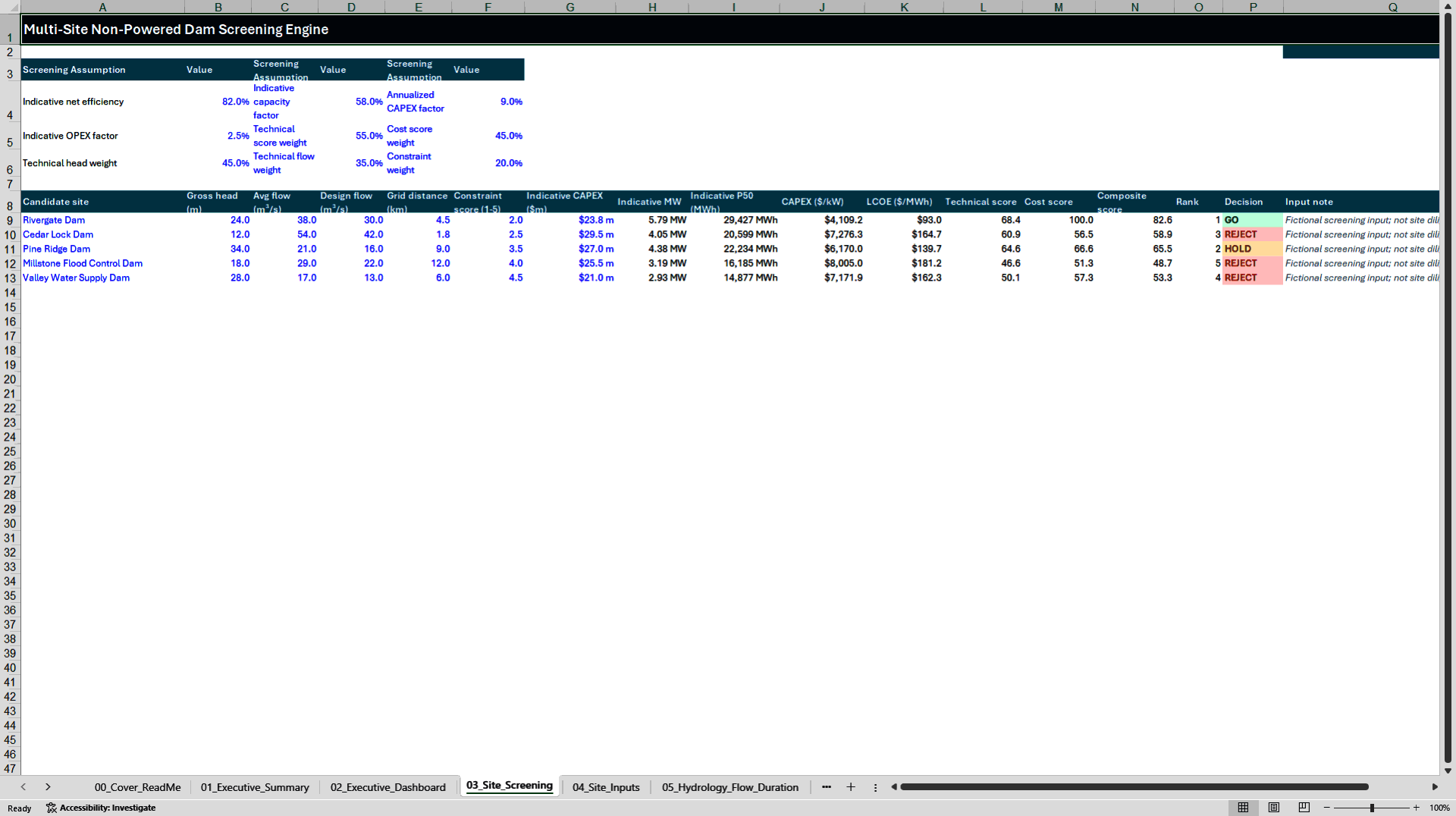
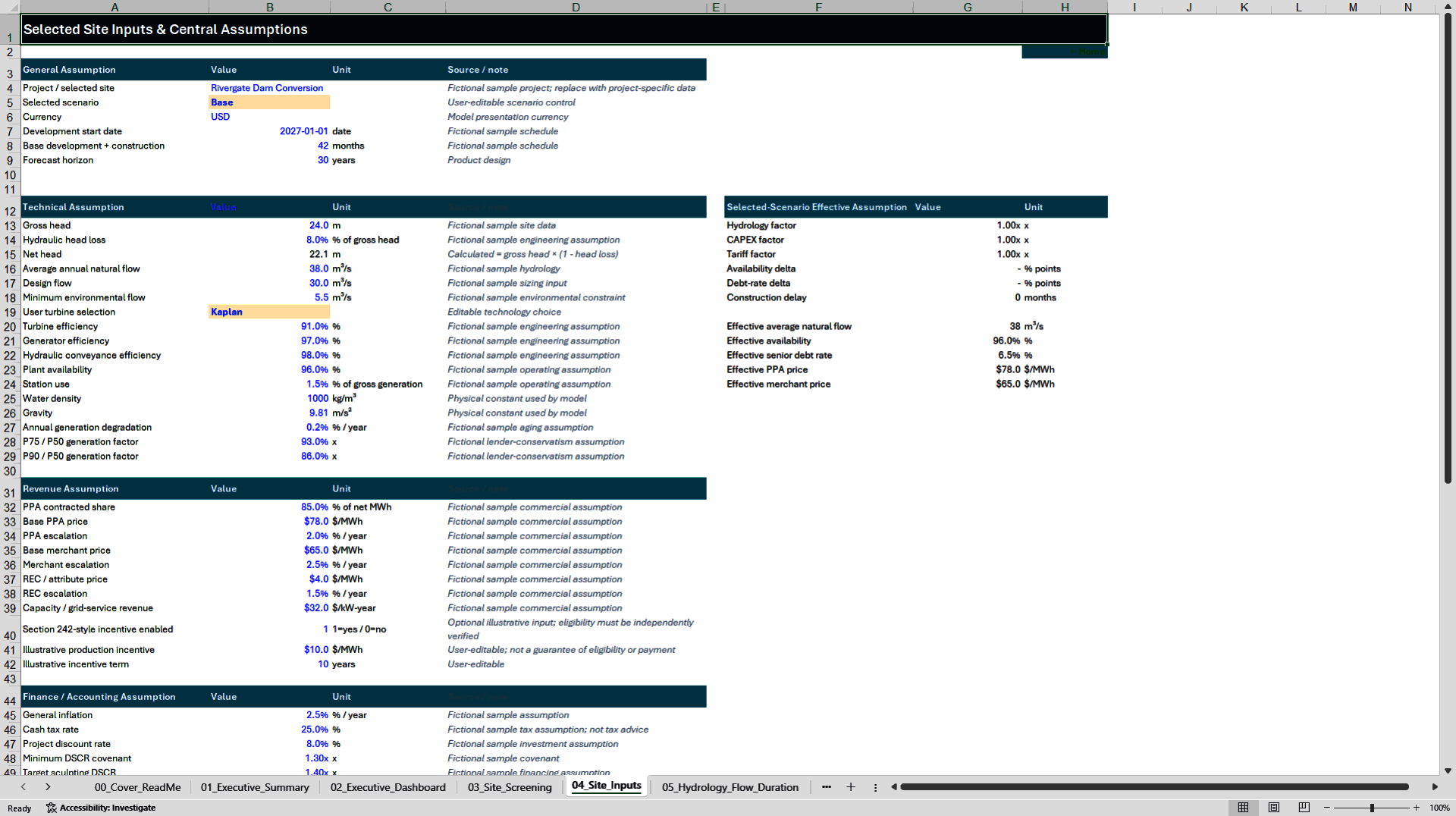
The model begins with a multi-site screening engine. Five replaceable sample sites can be compared using gross head, average flow, design flow, grid distance, constraint score, indicative CAPEX, indicative MW, P50 generation, CAPEX per kW, an LCOE proxy, technical score, cost score, composite score, rank, decision, and recommended action. The selected project then moves into a detailed assumption set covering development timing, hydraulic head loss, net head, natural flow, design flow, minimum environmental flow, turbine and generator efficiency, availability, station use, generation degradation, P75/P90 factors, commercial assumptions, inflation, tax, discount rates, financing, DSRA, working capital, useful life, residual value, maintenance reserve, and lifecycle CAPEX.
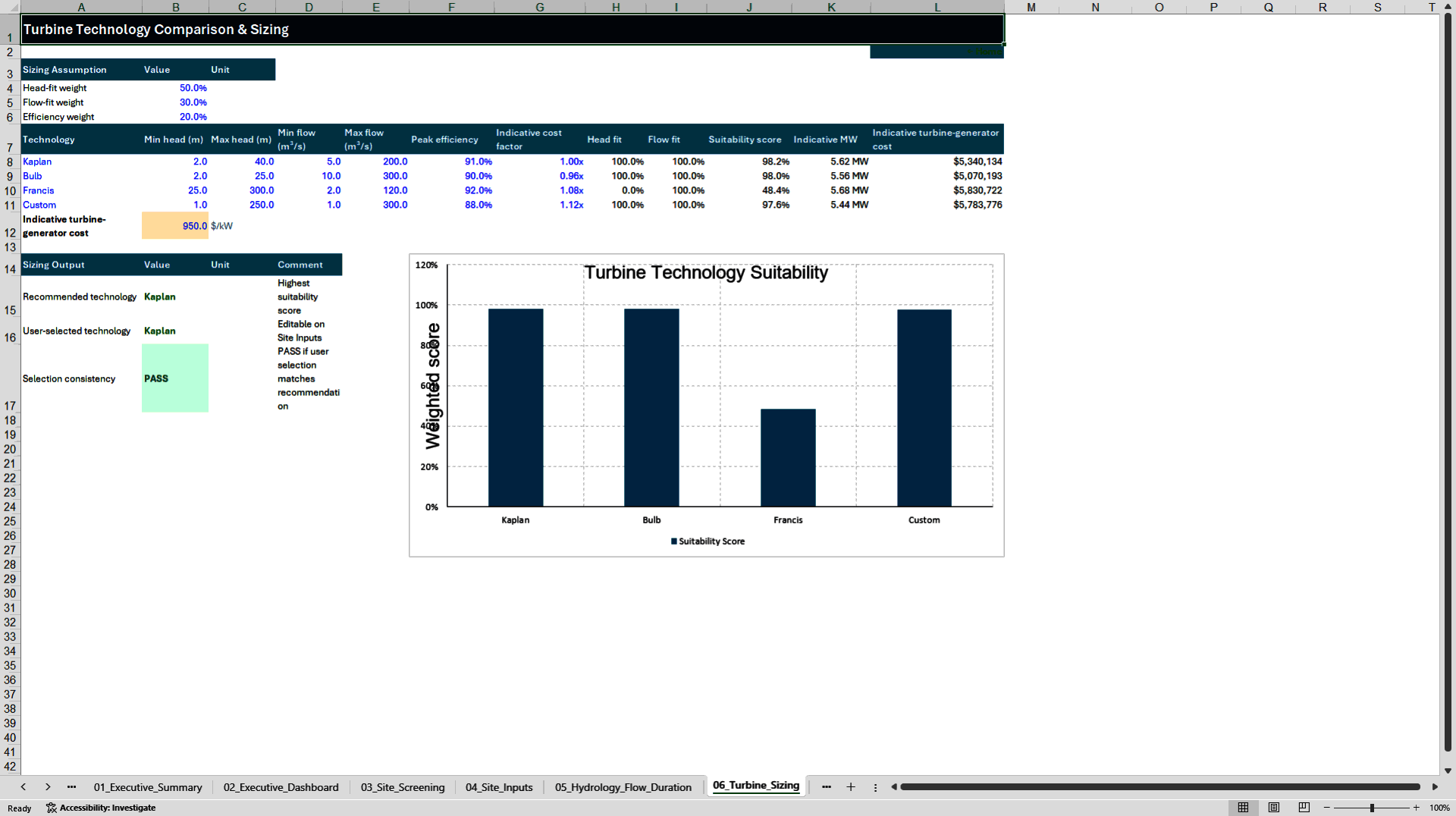
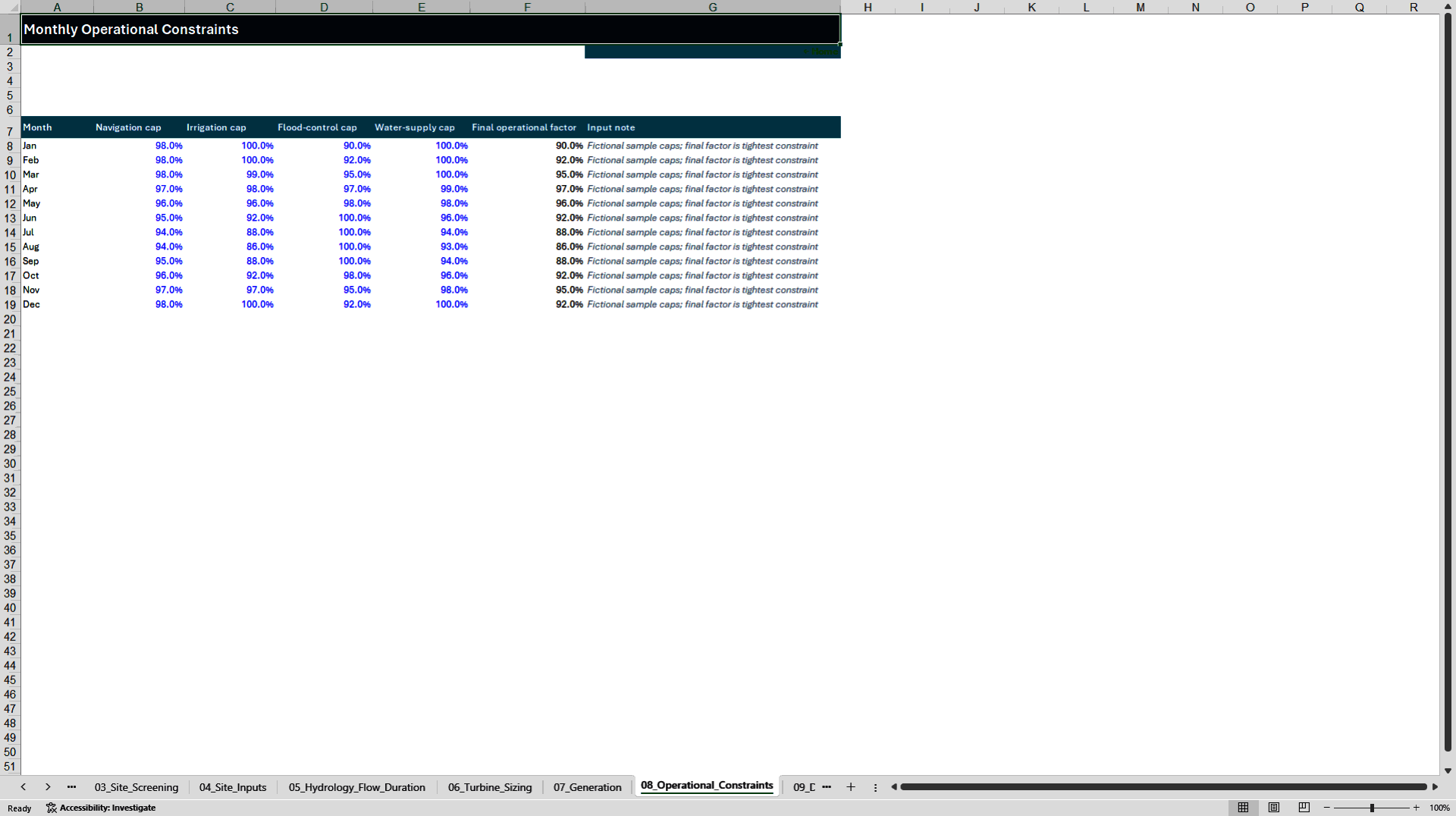
Hydrology is modeled monthly. Natural flow is adjusted for the selected scenario, minimum environmental flow, and operational caps for navigation, irrigation, flood control, and water supply. A flow-duration curve is included. Turbine sizing compares Kaplan, Bulb, Francis, and Custom technologies based on head fit, flow fit, peak efficiency, cost factor, suitability score, indicative MW, and indicative turbine-generator cost.
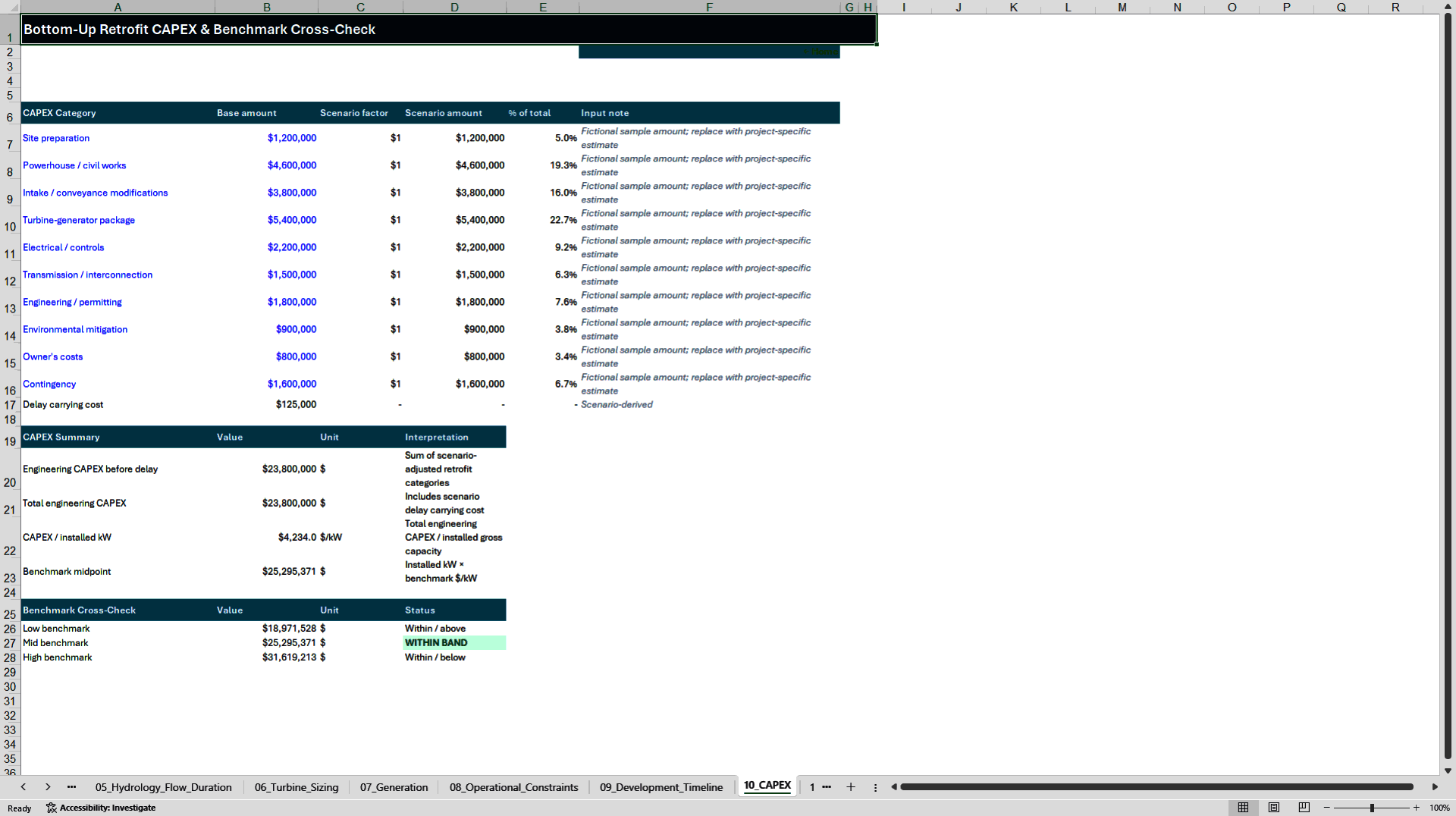
The Generation schedule provides 36 months of detailed operation and a 30-year P50, P75, and P90 forecast. The model also includes development and construction timing, monthly project spend, bottom-up retrofit CAPEX, benchmark CAPEX per kW, cash OPEX, maintenance reserve, lifecycle CAPEX, and a revenue stack covering PPA, merchant, renewable attributes, capacity or grid services, and an optional illustrative incentive.
Project finance is integrated through sources and uses, estimated interest during construction, financing fees, initial DSRA, senior debt, sponsor equity, CFADS, sculpted or scheduled amortization, cash sweep, DSCR, DSRA target, and closing debt. Fixed assets and depreciation feed a 30-year Income Statement, Balance Sheet, and Cash Flow.
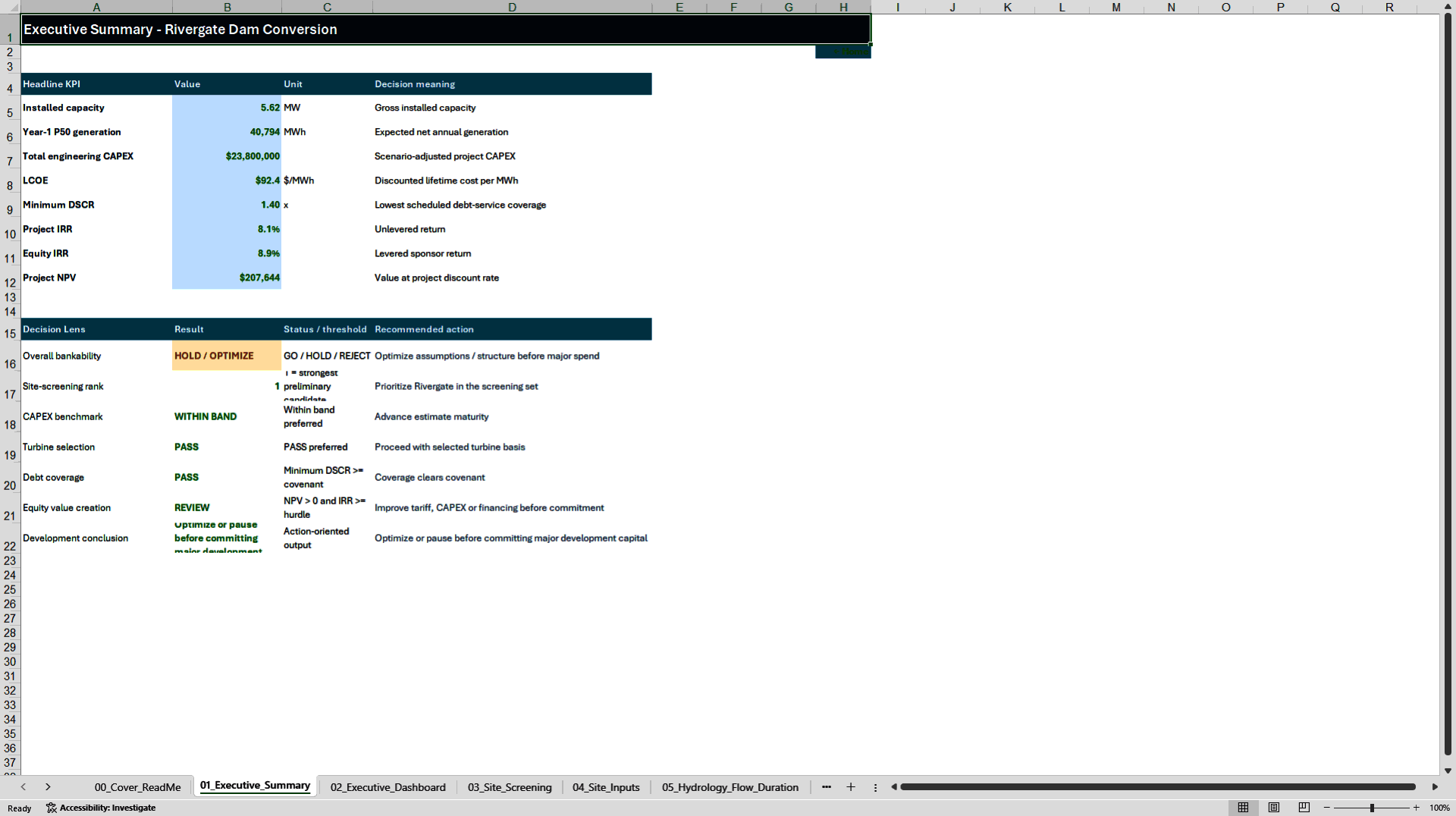
Investment outputs include timed project IRR, project NPV, equity IRR, equity NPV, MOIC, payback, residual value, LCOE, average and minimum DSCR, LLCR, PLCR, and an overall bankability decision. Downside, Base, and Upside scenarios change hydrology, CAPEX, tariff, availability, debt rate, and construction timing. Three two-way sensitivity tables analyze tariff versus CAPEX for project NPV, head versus flow for Year-1 P50 generation, and leverage versus rate changes for scheduled-amortization DSCR.
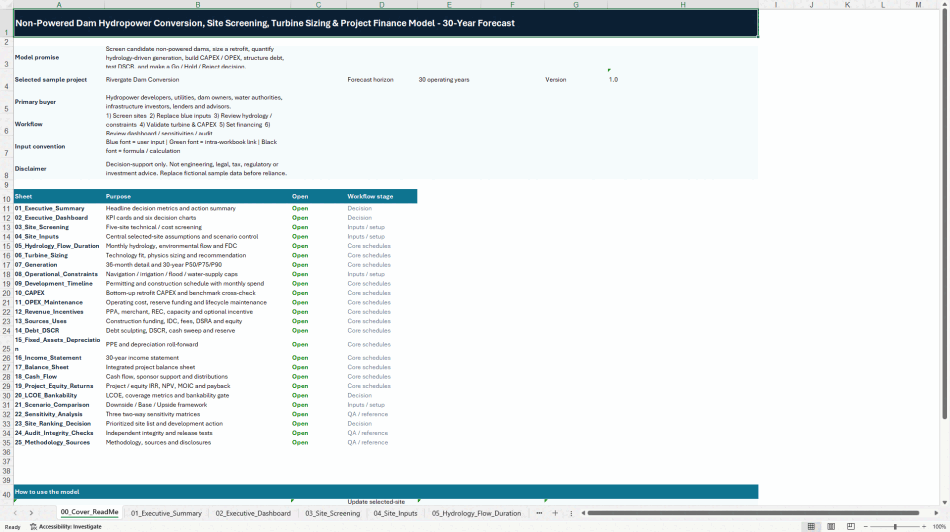
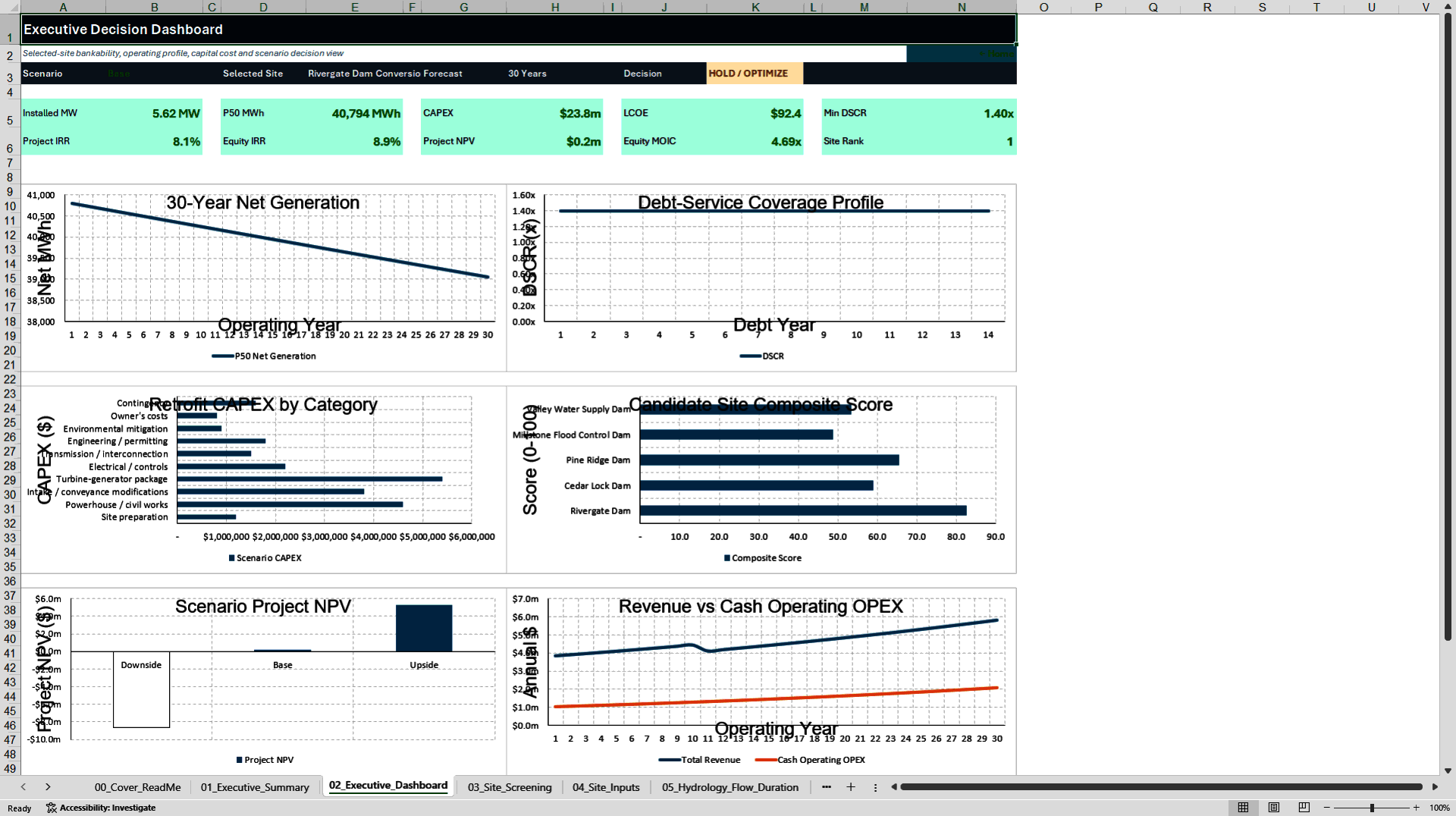
Executive summary, dashboard, site-ranking, methodology, and integrity-check sheets make the workbook suitable for structured feasibility work, investment review, financing discussions, project-development prioritization, and scenario testing. The workbook contains 26 worksheets, native Excel charts, replaceable fictional sample data, and 30 model-integrity checks.
Got a question about the product? Email us at support@flevy.com or ask the author directly by using the "Ask the Author a Question" form. If you cannot view the preview above this document description, go here to view the large preview instead.
Source: Best Practices in Financial Modeling, Renewable Energy Excel: Non-Powered Dam Hydropower Conversion Financial Model Excel (XLSX) Spreadsheet, PDMM Financial Models
ABOUT THE AUTHOR

PDMM Financial Models develops professional, decision-ready Excel models for business owners, entrepreneurs, investors, consultants, analysts, and finance teams. Our objective is to transform complex business assumptions into clear, structured analysis that supports better planning and investment decisions.
Our models cover business planning, forecasting, budgeting, feasibility analysis,
... [read more]
Ask the Author a Question
You must be logged in to contact the author.




























