
 Click main image to view in full screen. Unlock all 20 preview images:
Employee Development & Career Management – PowerPoint PPTX Template
PowerPoint (PPTX) 69 Slides


BENEFITS OF THIS DOWNLOADABLE POWERPOINT DOCUMENT
- Provide a framework of Employee Development & Career Management
- Provide a framework of Individual Development Plan (IDP) Process Stages
- Provide a framework of Career Planning and Development Management
CAREER MANAGEMENT PPT TEMPLATE DESCRIPTION
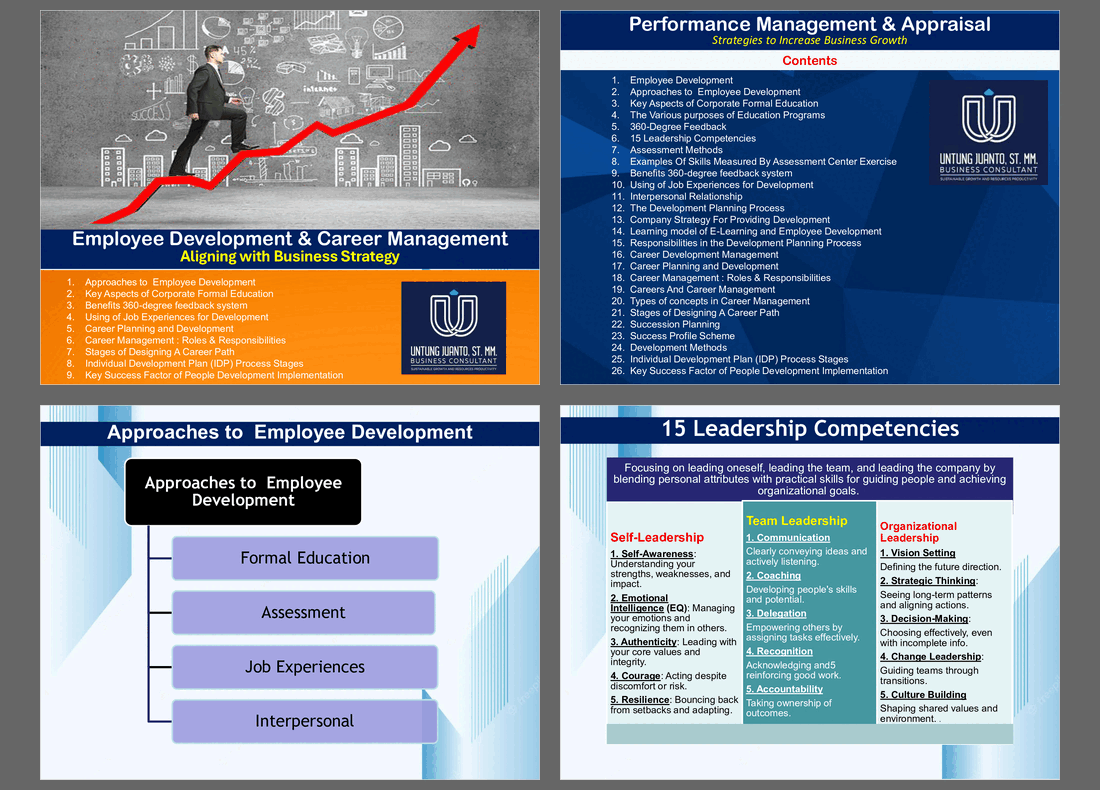
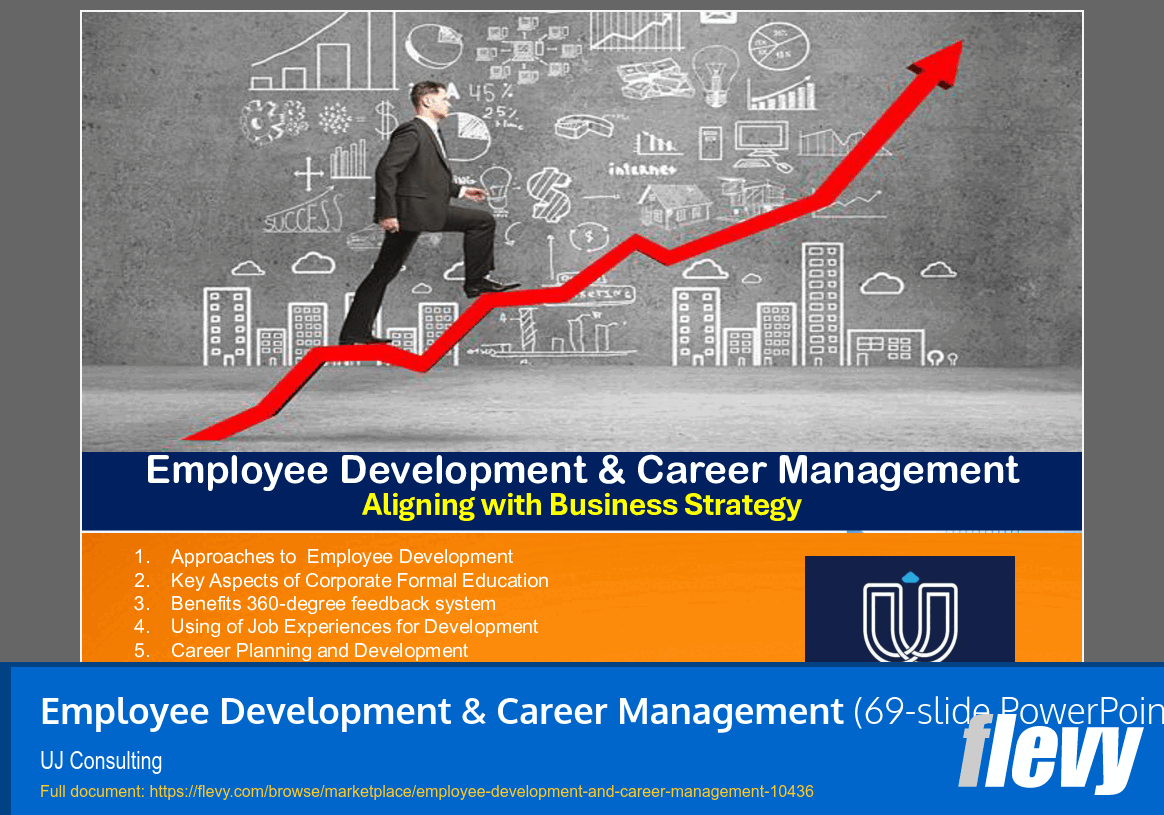
Employee Development & Career Management Aligning with Business Strategy
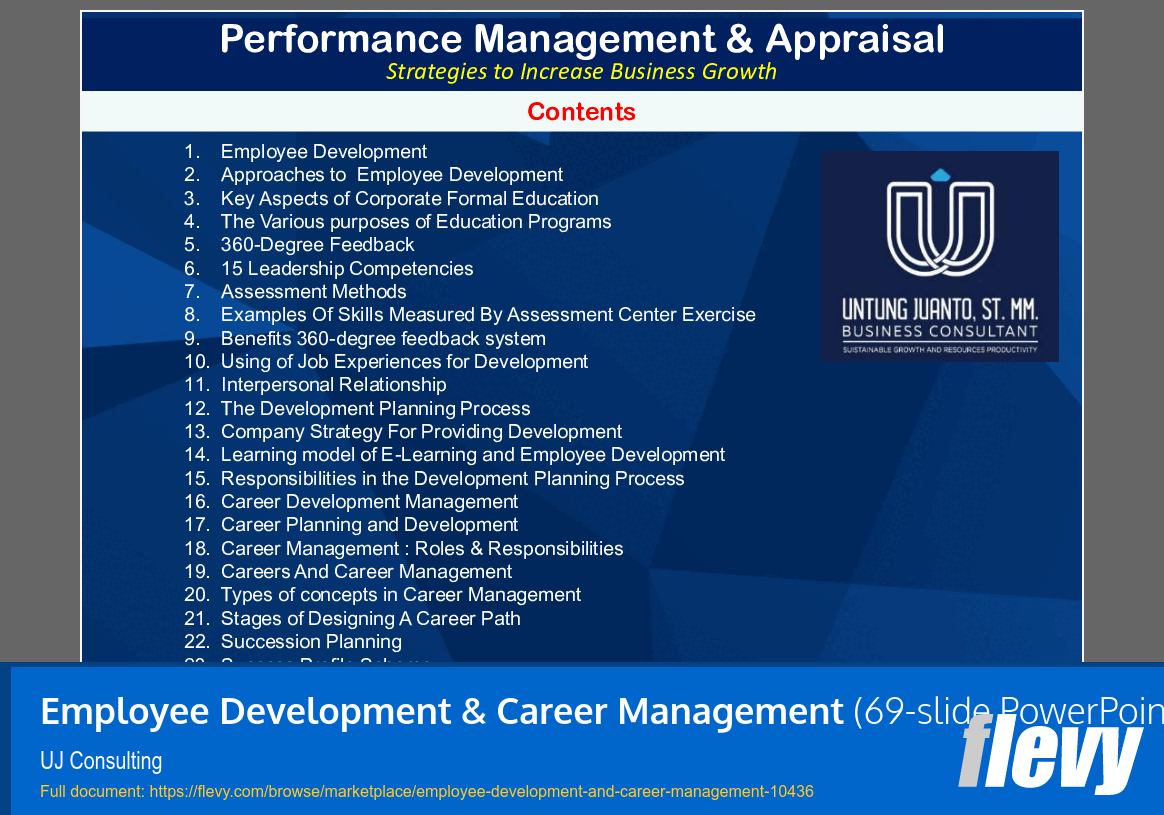
Contents
1. Employee Development
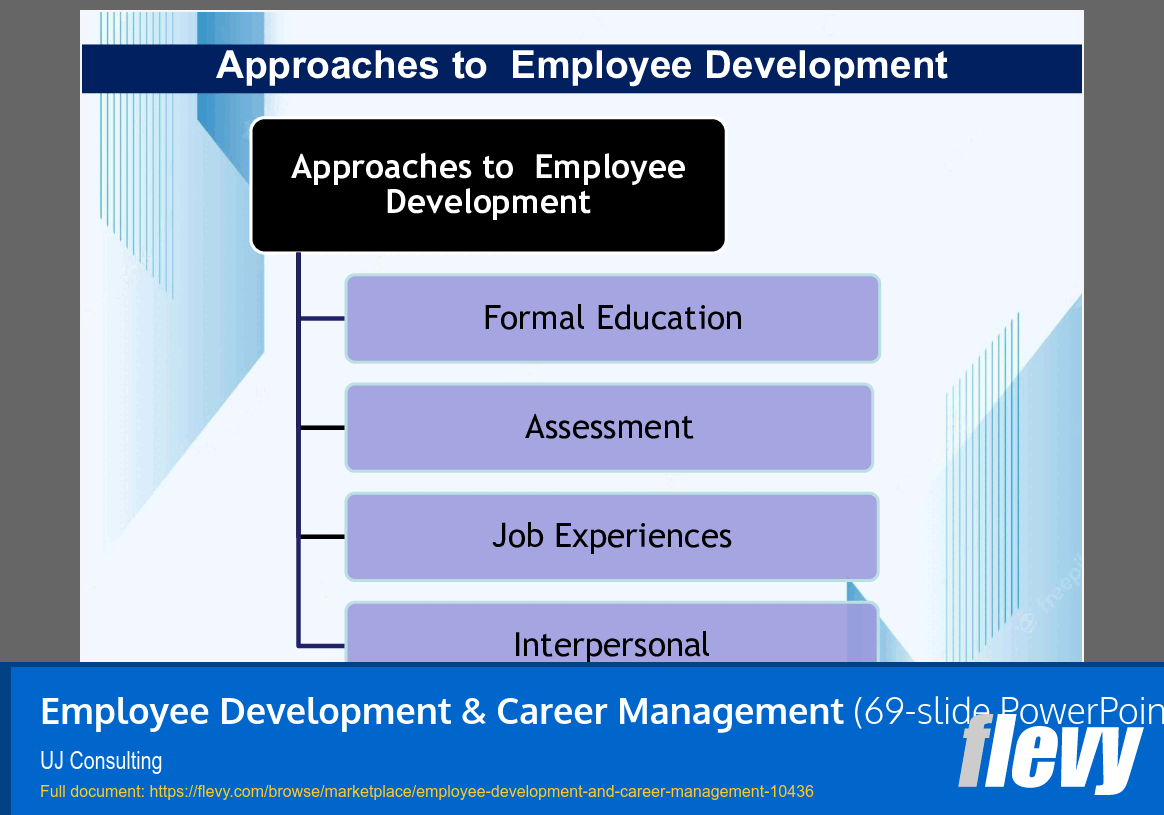
2. Approaches to Employee Development
3. Key Aspects of Corporate Formal Education
4. The Various purposes of Education Programs
5. 360-Degree Feedback
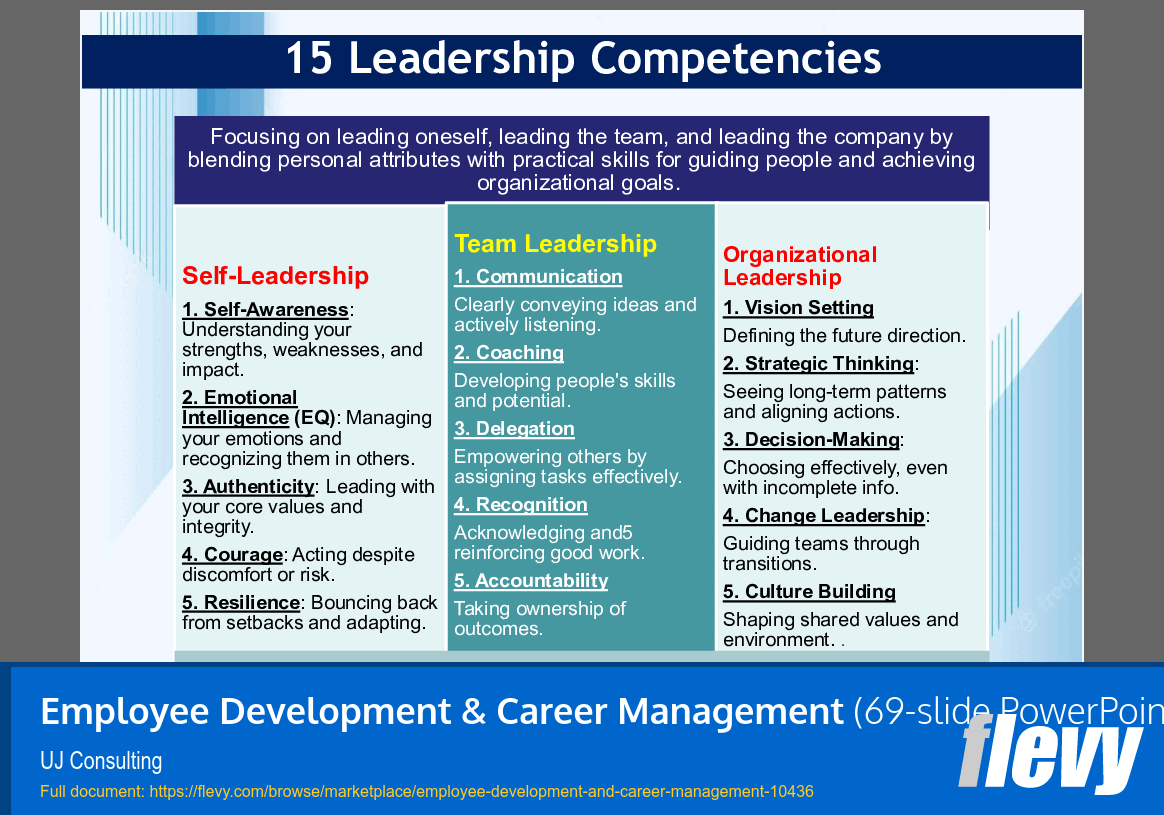
6. 15 Leadership Competencies
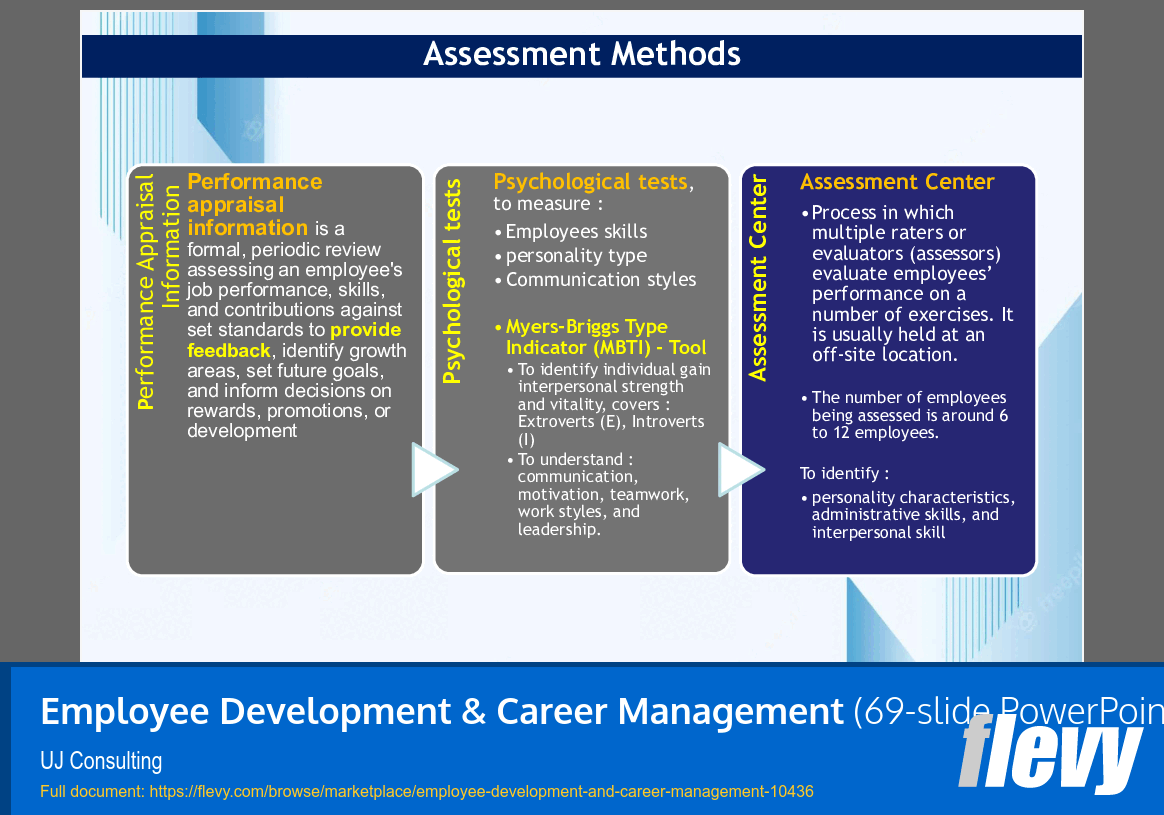
7. Assessment Methods
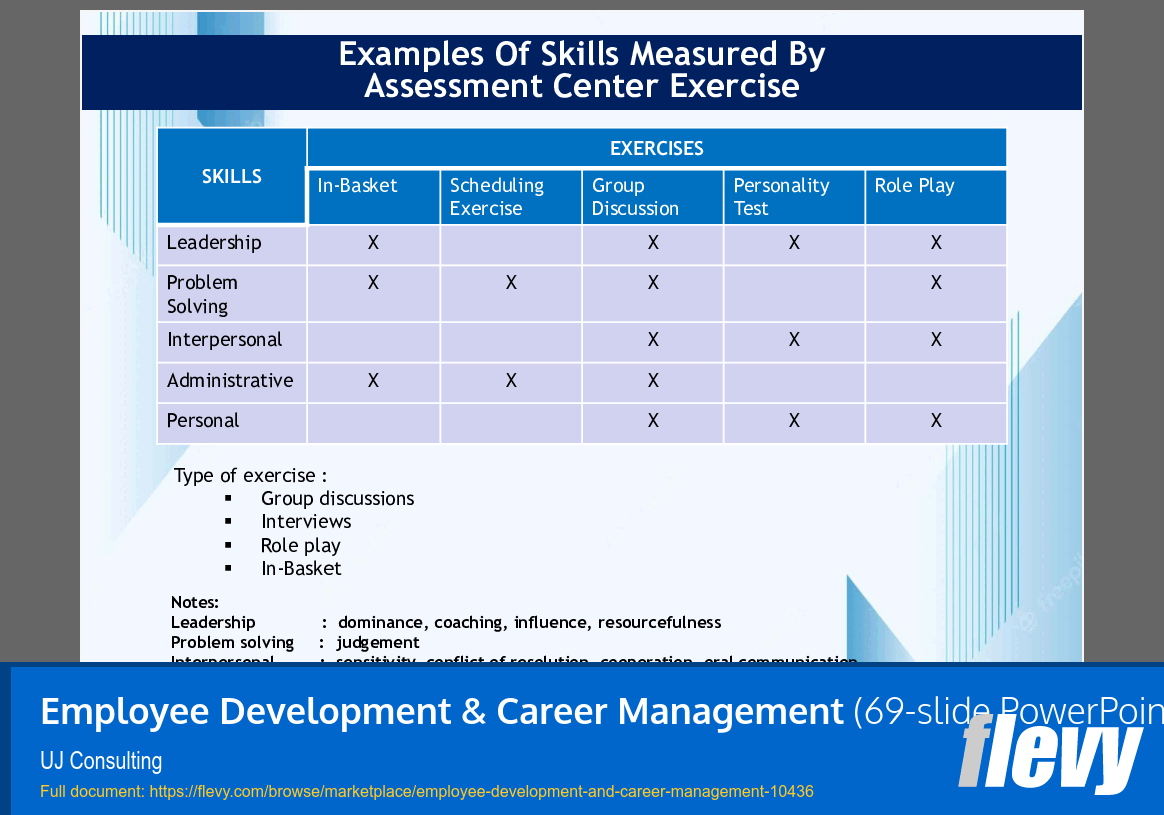
8. Examples Of Skills Measured By Assessment Center Exercise
9. Benefits 360-degree feedback system
10. Using of Job Experiences for Development
11. Interpersonal Relationship
12. The Development Planning Process
13. Company Strategy For Providing Development
14. Learning model of E-Learning and Employee Development
15. Responsibilities in the Development Planning Process
16. Career Development Management
17. Career Planning and Development
18. Career Management : Roles & Responsibilities
19. Careers And Career Management
20. Types of concepts in Career Management
21. Stages of Designing A Career Path
22. Succession Planning
23. Success Profile Scheme
24. Development Methods
26. Individual Development Plan (IDP) Process Stages
27. Key Success Factor of People Development Implementation
Employee development is the process of helping employees progress in their careers by acquiring new skills. Its goal is to improve the existing competencies of your employees and help them develop new ones, all to support your business goals. Employee development is an investment and requires time, effort, and money – but it pays off in the long run.
Benefits of Providing Development Opportunities to Your Employees :
You should consider an employee development plan at every level. If executed well, the plan can provide many beneficial outcomes to your employees, management, leadership, and the whole company. This includes many other advantages, such as:
Cost Savings
Let's start with the most powerful consequence of a good employee development program. It saves you money on many fronts: you avoid replacing employees by retaining more people (which translates into cost savings) and enjoy a more motivated workforce with the exact expertise you need to deliver for your clients.
Greater Competitive Advantage
Sure, you want to run a profitable business. But you can't do that without your employees, and there's a lot of competition for top talent in all professional services companies. You're not only competing for market share. You're also competing for top employees – and a robust employee development program can convince them to choose you over other employers.
Lower Staff Turnover
An employee development plan boosts employee retention, not only because you're not firing workers who lack certain skills (and choosing to enrich their skill sets instead through training programs), but also because employees are going to want to stay with you longer.
Increased Employee Engagement
A more engaged and motivated workforce will be more productive. It's simple. Employees feel more appreciated when you invest in their career development and training programs. Workers who get a lot of learning opportunities in the workplace are more likely to feel more engaged and happier at their jobs. As a result, such actions encourage employees to stay with the company longer.
Stronger Company Culture
Employee development programs increase retention, allowing you to build a strong company culture, instead of having to build it from scratch whenever a batch of new employees joins your business. According to Building a Culture of Learning, The Foundation of a Successful Organization, businesses with a culture of learning and knowledge sharing are more competitive, and their workforces are more engaged.
Thank you
UJ Consulting
Got a question about the product? Email us at support@flevy.com or ask the author directly by using the "Ask the Author a Question" form. If you cannot view the preview above this document description, go here to view the large preview instead.
Source: Best Practices in Career Management PowerPoint Slides: Employee Development & Career Management PowerPoint (PPTX) Presentation Slide Deck, UJ Consulting _ Strategy-Insight-Impact
ABOUT THE AUTHOR

UJ Consulting | Strategy • Insight • Impact
UJ Consulting is an executive management consulting and business transformation practice founded by Untung Juanto, ST., MM., a senior executive, consultant, and transformation practitioner with more than 25 years of professional experience across local and multinational companies and diverse industries.
His career progressed from frontline
... [read more]
Ask the Author a Question
You must be logged in to contact the author.




























