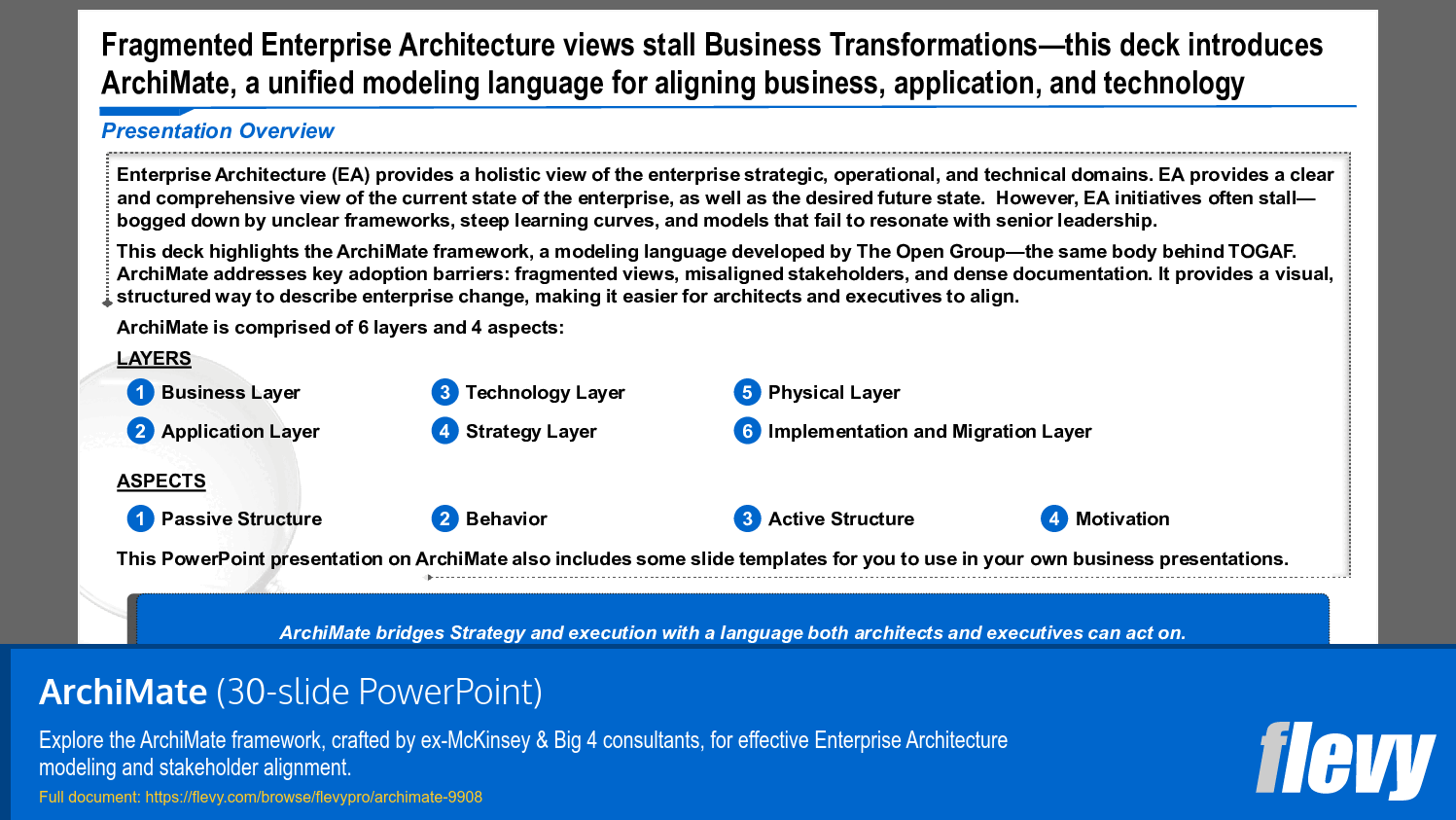

Enterprise Architecture (EA) provides a holistic view of the enterprise strategic, operational, and technical domains. EA provides a clear and comprehensive view of the current state of the enterprise, as well as the desired future state. However, EA initiatives often stall—bogged down by unclear frameworks, steep learning curves, and models that fail to resonate with senior leadership.
This PPT highlights the ArchiMate framework, a modeling language developed by The Open Group—the same body behind TOGAF. ArchiMate addresses key adoption barriers: fragmented views, misaligned stakeholders, and dense documentation. It provides a visual, structured way to describe enterprise change, making it easier for architects and executives to align.
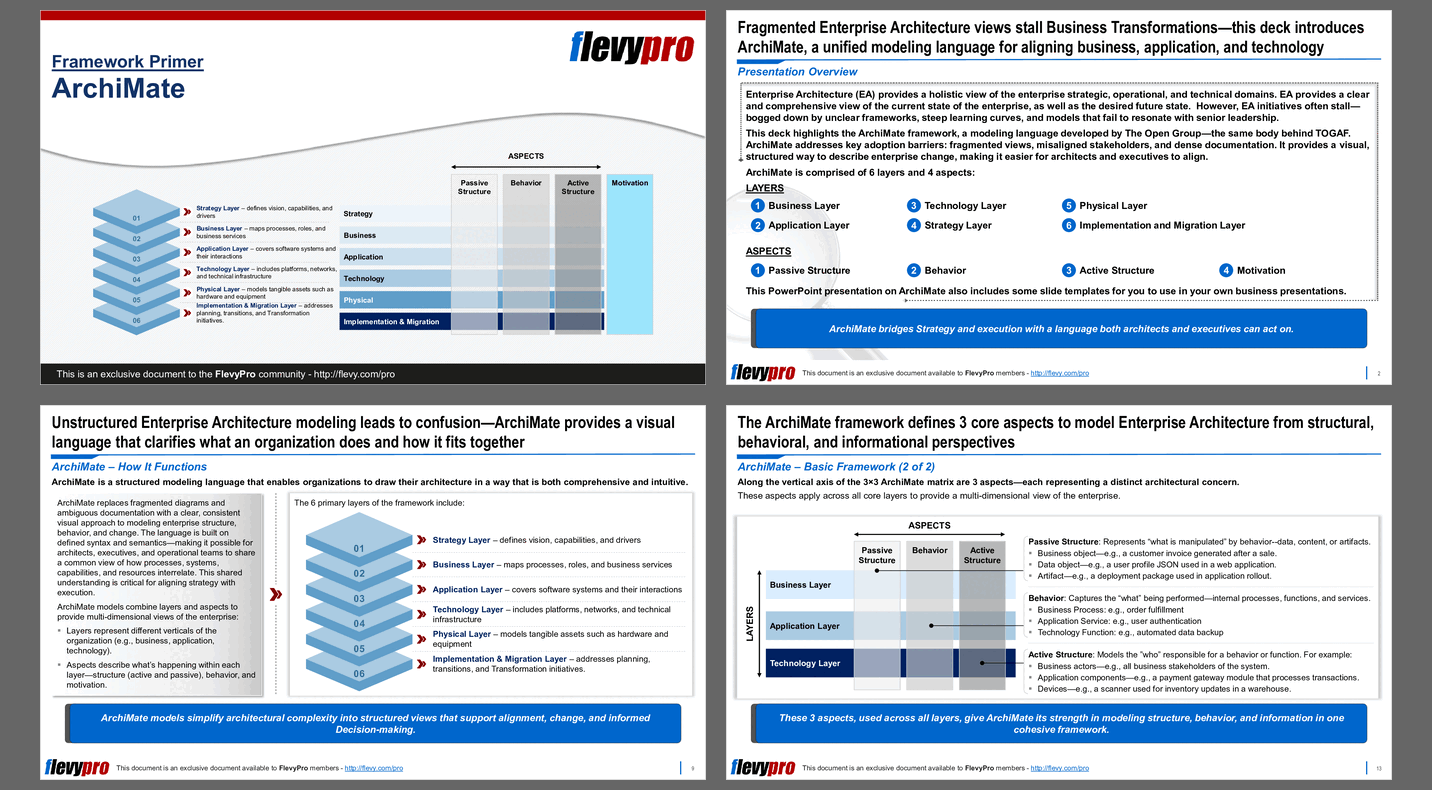
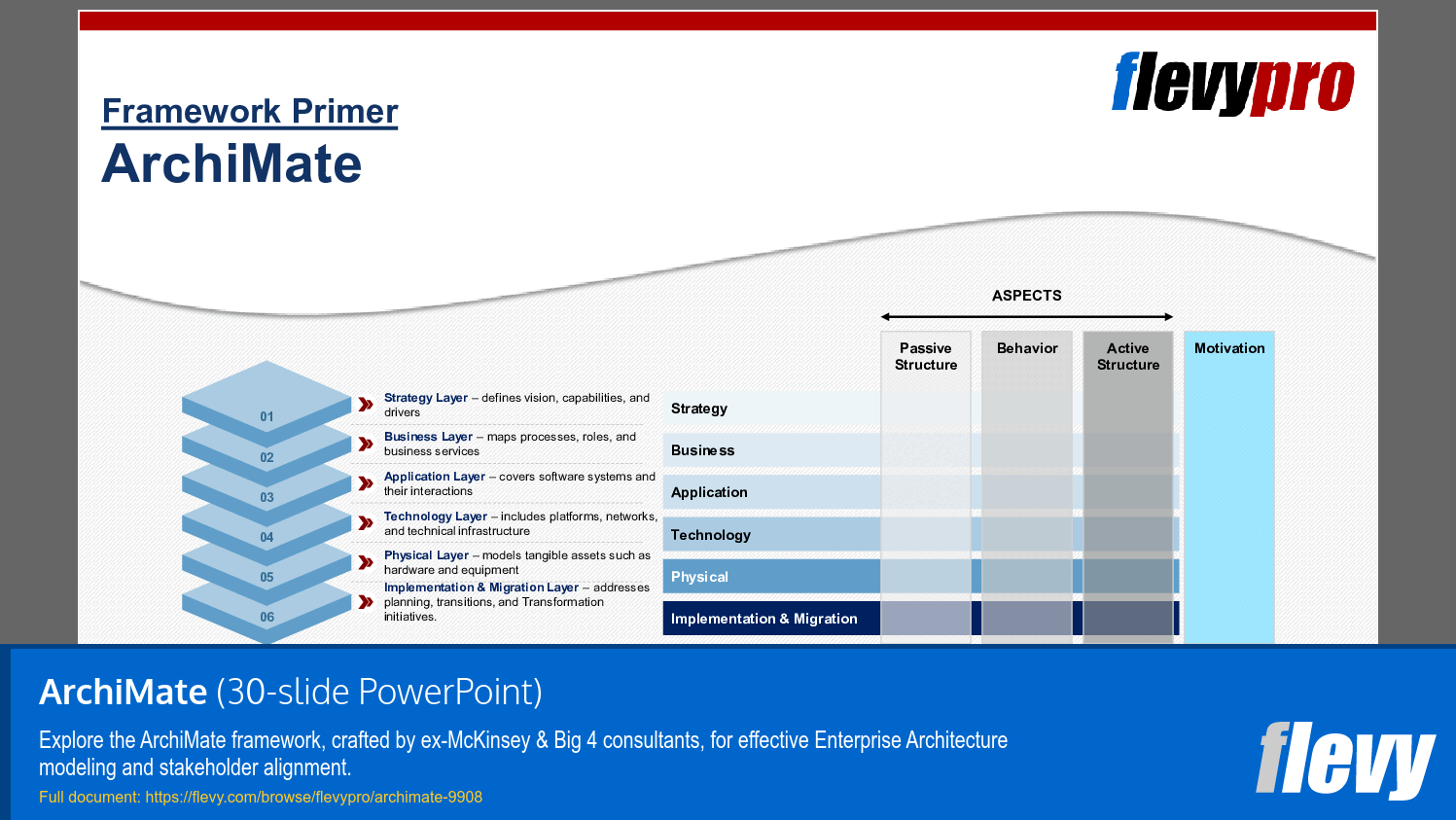
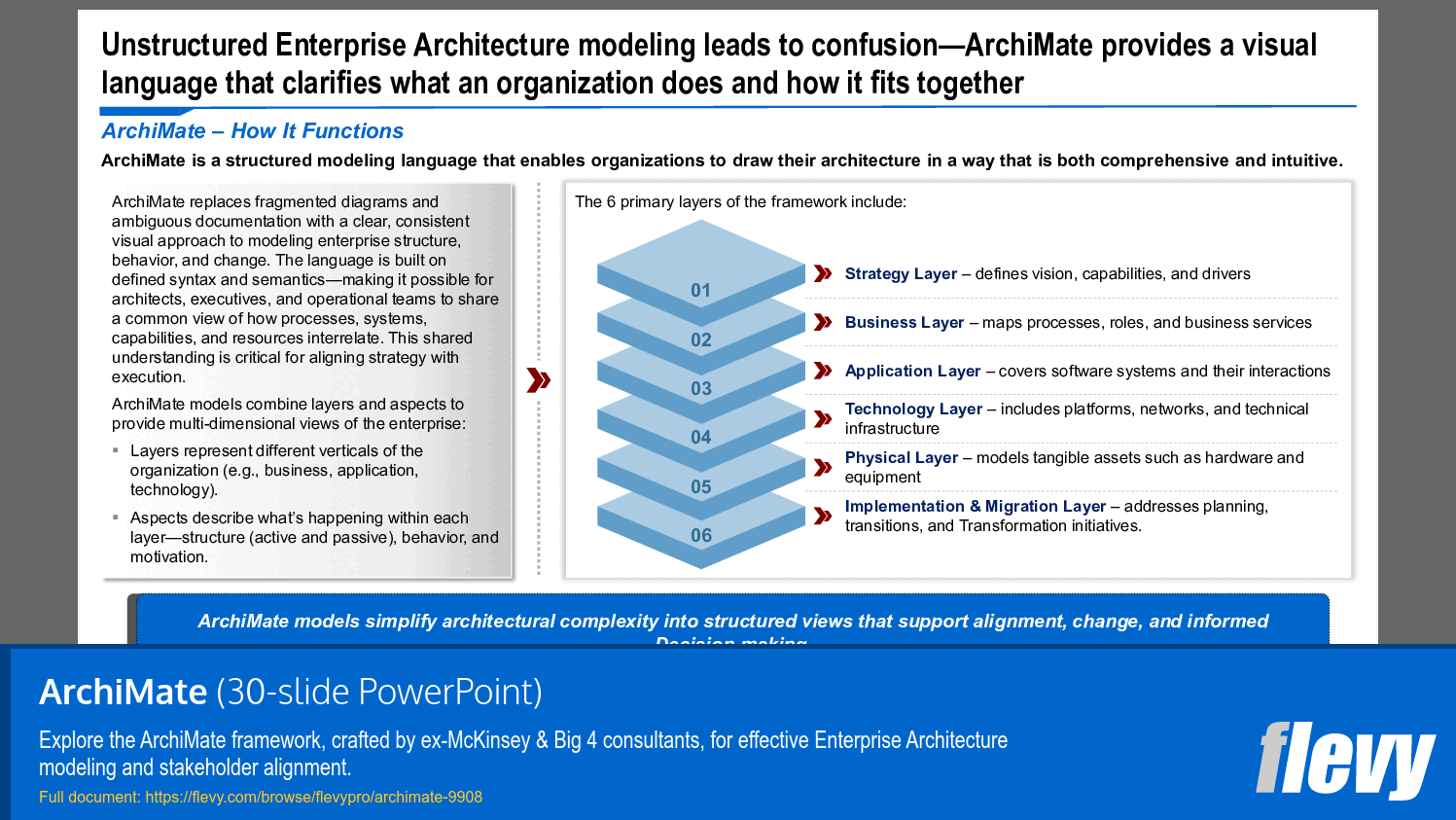
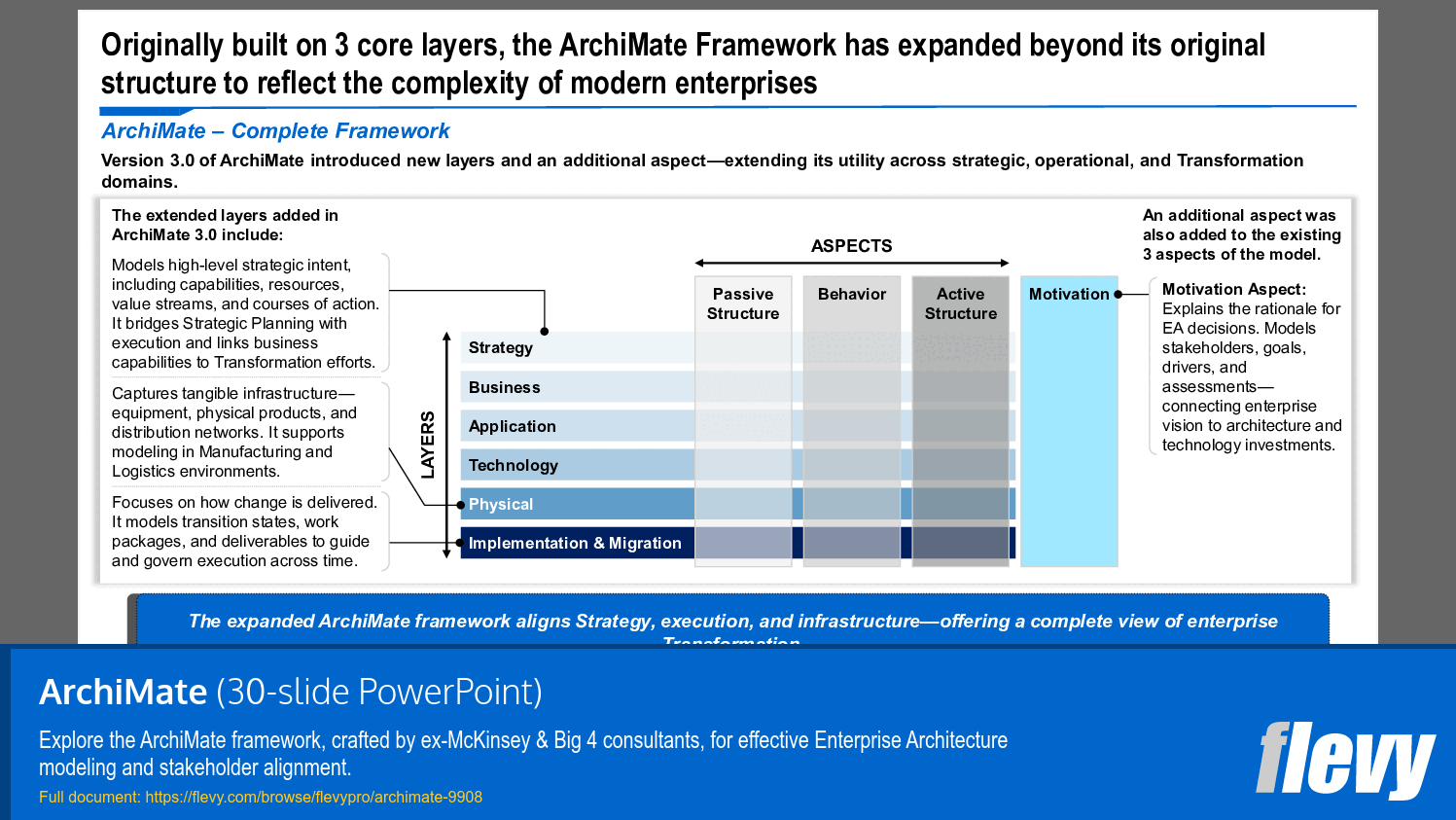
ArchiMate is comprised of 6 layers and 4 aspects:
LAYERS
1. Strategy Layer – Defines vision, capabilities, and drivers
2. Business Layer – Maps processes, roles, and business services
3. Application Layer – Covers software systems and their interactions
4. Technology Layer – Includes platforms, networks, and technical infrastructure
5. Physical Layer – Models tangible assets such as hardware and equipment
6. Implementation & Migration Layer – Addresses planning, transitions, and Transformation initiatives.
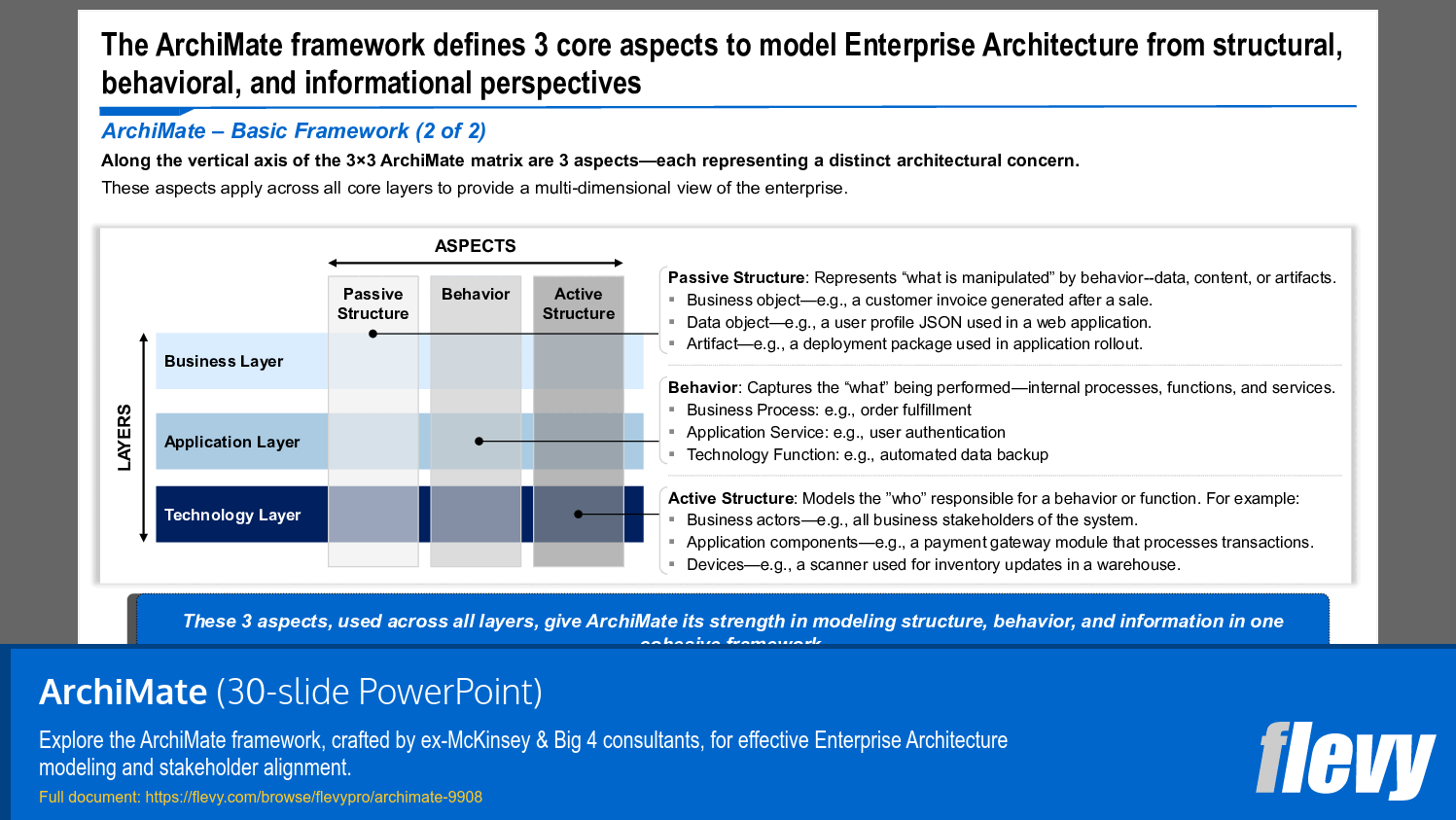
ASPECTS
1. Passive Structure – Represents "what is manipulated" by behavior—data, content, or artifacts
2. Behavior – Captures the "what" being performed—internal processes, functions, and services
3. Active Structure – Models the "who" responsible for a behavior or function
4. Motivation – Explains the rationale for EA decisions
This PowerPoint presentation on ArchiMate also includes some slide templates for you to use in your own business presentations.
Got a question about this document? Email us at flevypro@flevy.com.
Executive Summary
The ArchiMate framework presentation provides a structured approach to Enterprise Architecture (EA) modeling, developed by The Open Group, the same organization behind TOGAF. It addresses common challenges in EA, such as fragmented views and misaligned stakeholders, by offering a unified modeling language that enhances clarity and alignment among business, application, and technology domains. This presentation equips executives and architects with the tools to visualize and communicate enterprise transformations effectively, ensuring strategic alignment and operational efficiency.
Who This Is For and When to Use
• Enterprise Architects and IT strategists seeking to align technology with business goals
• CIOs and CTOs looking to enhance decision-making through clear architectural frameworks
• Business analysts and consultants involved in enterprise transformation initiatives
• Project managers overseeing implementation and migration efforts
Best-fit moments to use this deck:
• During strategic planning sessions to align IT initiatives with business objectives
• In workshops aimed at improving stakeholder communication and engagement
• When introducing the ArchiMate framework to teams unfamiliar with EA modeling
Learning Objectives
• Define the layers and aspects of the ArchiMate framework for effective EA modeling
• Build comprehensive models that illustrate the interdependencies between business processes and technology
• Establish a common language for stakeholders to facilitate communication and decision-making
• Identify and address gaps in enterprise capabilities using the ArchiMate framework
• Create visual representations of enterprise architecture that enhance understanding and alignment
• Apply the ArchiMate language to real-world scenarios for practical implementation
Table of Contents
• Overview (page 1)
• Enterprise Architecture (page 4)
• ArchiMate (page 8)
• ArchiMate Language (page 16)
• Slide Design Structure & Templates (page 19)
Primary Topics Covered
• Enterprise Architecture Overview - EA provides a holistic view of an organization, aligning structure, process, and technology with strategic intent.
• ArchiMate Framework - A unified modeling language that simplifies EA by integrating business, application, and technology domains.
• Layers of ArchiMate - The framework consists of 6 layers: Strategy, Business, Application, Technology, Physical, and Implementation & Migration.
• Aspects of ArchiMate - The 4 aspects include Passive Structure, Behavior, Active Structure, and Motivation, providing a comprehensive view of enterprise architecture.
• Modeling with ArchiMate - Techniques for creating clear, structured models that facilitate alignment and decision-making across the organization.
• ArchiMate Language - A consistent structure for aligning business objectives with IT systems, using a shared visual vocabulary.
Deliverables, Templates, and Tools
• ArchiMate layer templates for visualizing enterprise architecture
• Example models demonstrating the application of the ArchiMate framework
• Slide templates for presenting ArchiMate concepts effectively
• Guidelines for stakeholder engagement and communication strategies
• Tools for assessing enterprise capabilities and identifying gaps
• Framework for aligning strategic initiatives with operational execution
Slide Highlights
• Overview of the ArchiMate framework, illustrating its layers and aspects
• Visual representation of the relationship between business processes and technology
• Examples of ArchiMate models that clarify enterprise architecture
• Templates for creating consistent and effective presentations on EA
• Guidelines for using the ArchiMate language in stakeholder discussions
Potential Workshop Agenda
Introduction to ArchiMate (60 minutes)
• Overview of the ArchiMate framework and its benefits
• Discussion on the importance of aligning business and IT
Hands-on Modeling Session (90 minutes)
• Participants create their own ArchiMate models based on case studies
• Review and feedback on the models created
Stakeholder Engagement Strategies (60 minutes)
• Techniques for communicating architectural decisions to non-technical stakeholders
• Best practices for fostering collaboration across teams
Customization Guidance
• Tailor the framework layers to reflect your organization's specific structure and processes
• Adjust terminology in the templates to align with internal language and standards
• Incorporate organization-specific metrics and KPIs into the models
• Modify slide designs to fit your corporate branding and presentation style
Secondary Topics Covered
• Integration of ArchiMate with TOGAF and BPMN
• Challenges and limitations of traditional EA frameworks
• Strategies for overcoming barriers to EA adoption
• The role of governance in enterprise architecture
Topic FAQ
Document FAQ
These are questions addressed within this presentation.
What is ArchiMate?
ArchiMate is a unified modeling language designed to visualize, describe, and analyze the architecture of complex organizations, bridging high-level strategy and low-level system implementation.
How does ArchiMate improve decision-making?
By providing clear visual models that illustrate the relationships between business processes and technology, ArchiMate enhances understanding and facilitates informed decision-making.
What are the key layers in the ArchiMate framework?
The key layers include Strategy, Business, Application, Technology, Physical, and Implementation & Migration, each representing different aspects of enterprise architecture.
Can ArchiMate be integrated with other frameworks?
Yes, ArchiMate integrates seamlessly with TOGAF and BPMN, allowing organizations to adopt it without disrupting existing practices.
What are the main aspects of ArchiMate?
The 4 aspects are Passive Structure, Behavior, Active Structure, and Motivation, which provide a comprehensive view of enterprise architecture.
What challenges does ArchiMate address in EA?
ArchiMate addresses challenges such as fragmented views, misaligned stakeholders, and dense documentation, simplifying the modeling process for better alignment.
How can organizations benefit from using ArchiMate?
Organizations can achieve better stakeholder alignment, clearer decision-making, and improved resource allocation through the structured approach of ArchiMate.
What is the learning curve for using ArchiMate?
While ArchiMate offers flexibility and depth, it may require training for non-technical stakeholders to fully engage with its concepts and models.
Glossary
• Enterprise Architecture (EA) - A structured framework for aligning business processes and technology.
• ArchiMate - A modeling language for visualizing enterprise architecture.
• TOGAF - The Open Group Architecture Framework, a methodology for designing and implementing EA.
• BPMN - Business Process Model and Notation, a standard for business process modeling.
• Layers - The different verticals in the ArchiMate framework representing various aspects of the organization.
• Aspects - The dimensions of the ArchiMate framework that describe structure, behavior, and motivation.
• Passive Structure - Represents the data and artifacts manipulated by behavior.
• Behavior - Captures the processes and functions performed within the organization.
• Active Structure - Models the entities that perform behavior, such as actors and components.
• Motivation - Explains the rationale behind architectural decisions and aligns them with enterprise goals.
• Implementation & Migration - Focuses on planning and executing transitions within the organization.
• Physical Layer - Models tangible assets like hardware and equipment.
• Technology Layer - Describes the infrastructure supporting application deployment.
• Application Layer - Covers software systems and their interactions.
• Business Layer - Maps processes, roles, and business services.
• Strategy Layer - Defines vision, capabilities, and drivers for the organization.
Source: Best Practices in Enterprise Architecture, Business Architecture PowerPoint Slides: ArchiMate PowerPoint (PPTX) Presentation Slide Deck, LearnPPT Consulting
Did you need more documents?
Consider a FlevyPro subscription from $39/month. View plans here.
For $10.00 more, you can download this document plus 2 more FlevyPro documents. That's just $13 each.
|
Download our FREE Digital Transformation Templates
Download our free compilation of 50+ Digital Transformation slides and templates. DX concepts covered include Digital Leadership, Digital Maturity, Digital Value Chain, Customer Experience, Customer Journey, RPA, etc. |