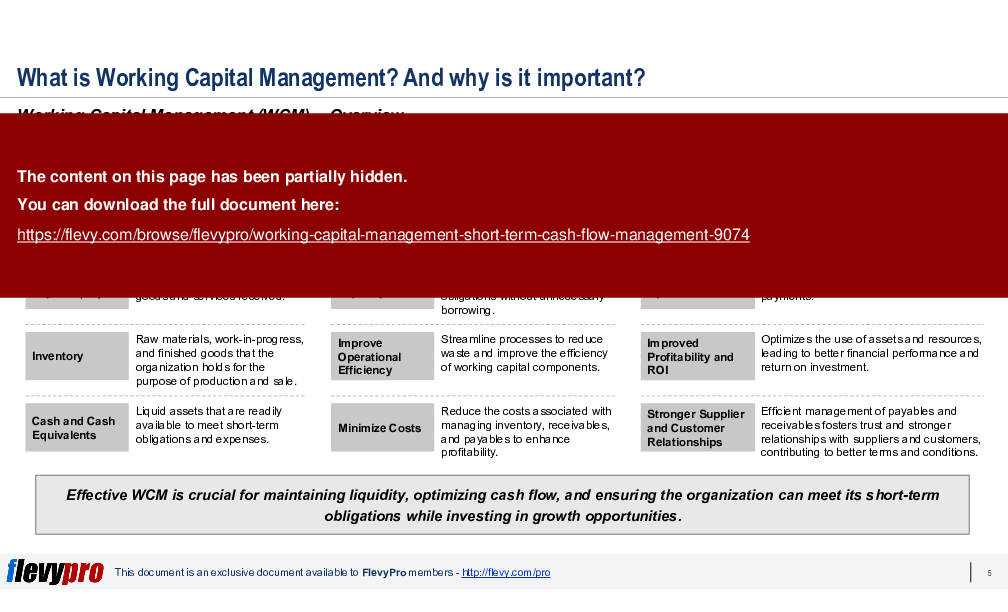

Working Capital Management (WCM) refers to the administration of an organization's short-term assets and liabilities to ensure its ongoing operational efficiency and financial stability. Effective WCM is crucial for maintaining liquidity, optimizing cash flow, and ensuring the organization can meet its short-term obligations while investing in growth opportunities.
There are numerous benefits to effective WCM, including:
• Enhanced liquidity and financial stability
• Reduced operational costs
• Improved profitability and ROI
• Stronger supplier and customer relationships
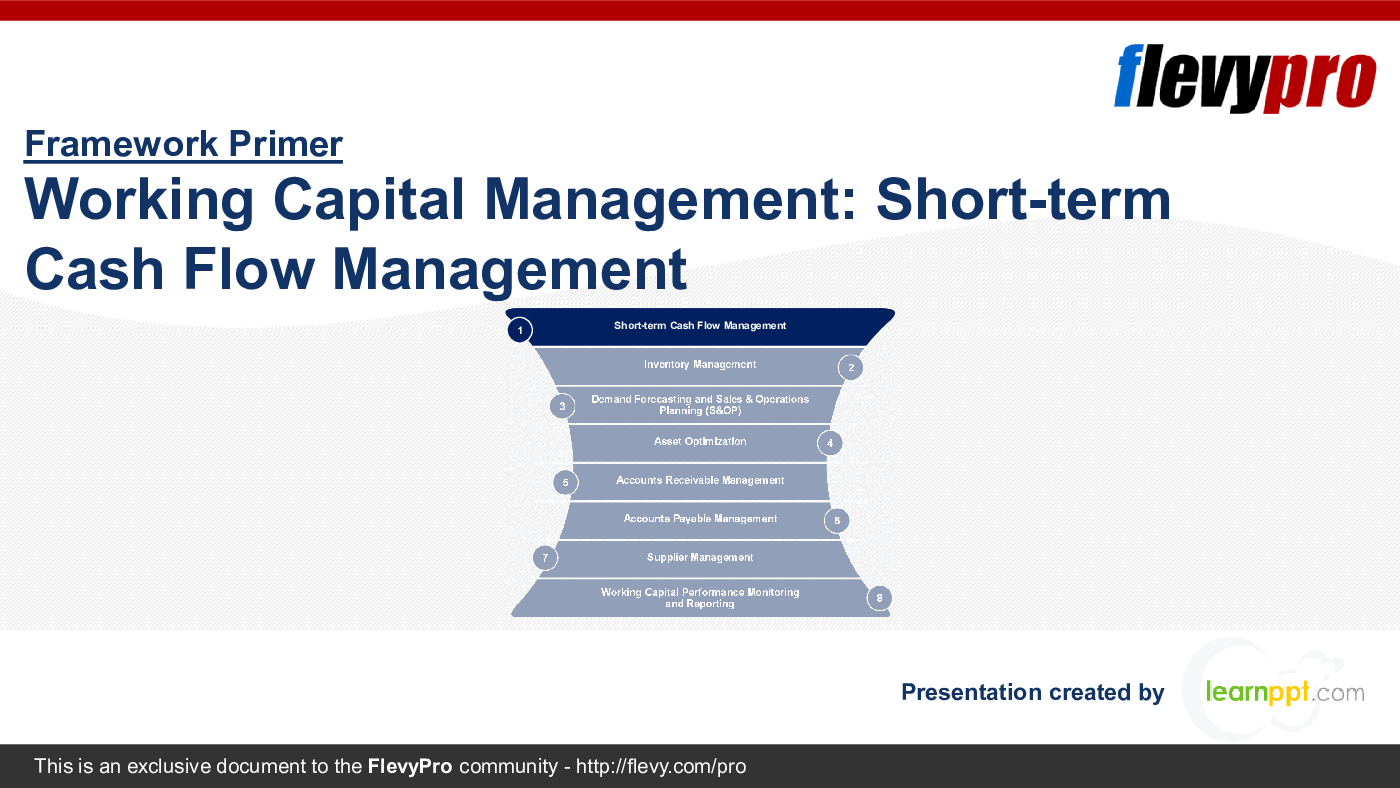
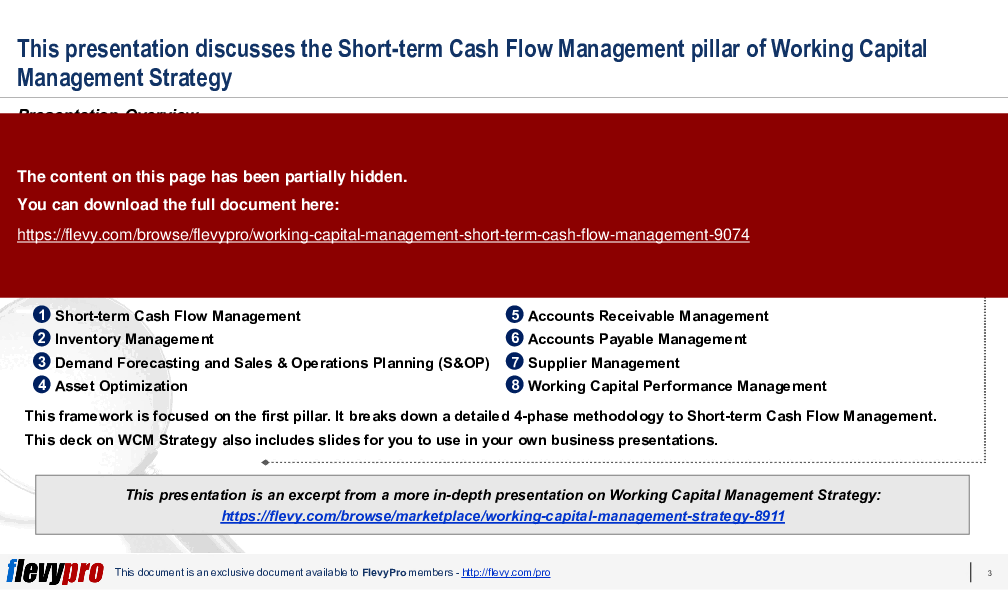
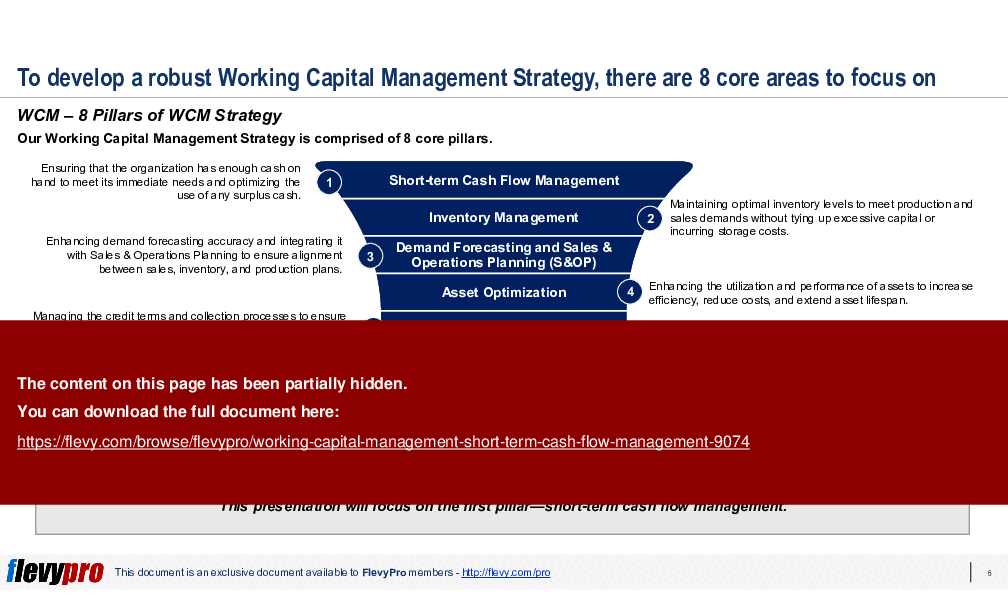
Effective WCM requires a comprehensive Working Capital Management Strategy. This presentation introduces an approach to WCM Strategy based on 8 core pillars:
1. Short-term Cash Flow Management
2. Inventory Management
3. Demand Forecasting and Sales & Operations Planning (S&OP)
4. Asset Optimization
5. Accounts Receivable Management
6. Accounts Payable Management
7. Supplier Management
8. Working Capital Performance Management
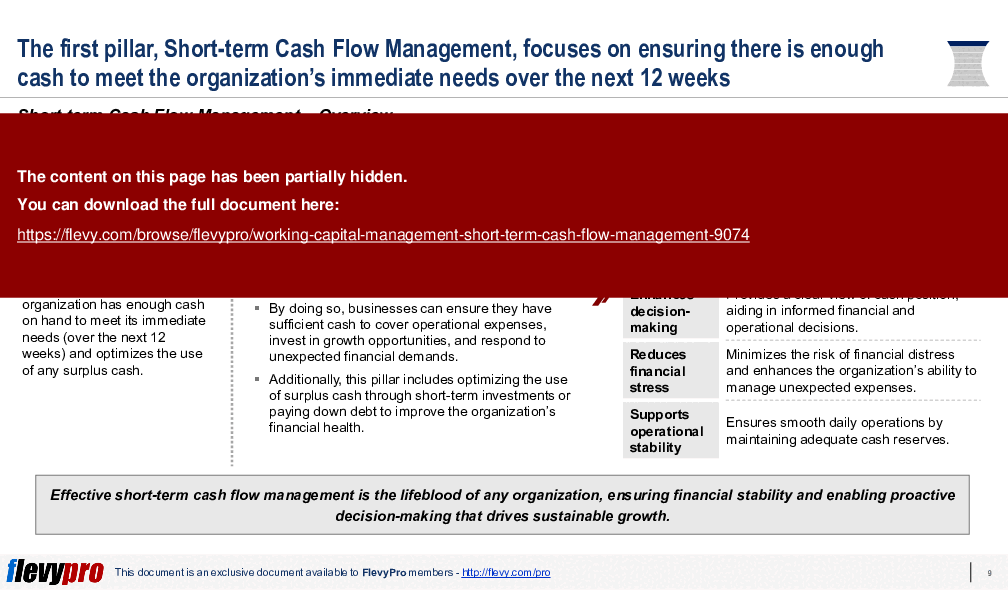
This framework is focused on the 1st pillar, Short-term Cash Flow Management, which ensures that the organization has enough cash on hand to meet its immediate needs (over the next 12 weeks) and optimizes the use of any surplus cash. Effective short-term cash flow management is the lifeblood of any organization, ensuring financial stability and enabling proactive decision-making that drives sustainable growth.
This presentation breaks down a detailed 4-phase methodology to Short-term Cash Flow Management:
1. Cash Flow Analysis
2. Planning and Design
3. Cash Flow Model Deployment
4. Continuous Process Optimization
This PPT presentation is an excerpt from a more in-depth presentation on Working Capital Management Strategy.
Got a question about this document? Email us at flevypro@flevy.com.
Executive Summary
The "Working Capital Management: Short-term Cash Flow Management" presentation is designed to equip organizations with essential strategies for managing their short-term cash flow effectively. This document outlines a detailed methodology that focuses on ensuring sufficient liquidity to meet immediate operational needs while optimizing cash utilization. By implementing the strategies presented, corporate executives and financial leaders will enhance their organization's financial stability, reduce operational costs, and improve profitability. This presentation serves as a practical guide for developing a robust working capital management strategy.
Who This Is For and When to Use
• Financial executives responsible for cash flow management and liquidity.
• Operations managers seeking to optimize cash utilization and reduce costs.
• Consultants advising organizations on working capital strategies.
• Business leaders aiming to improve overall financial health and operational efficiency.
Best-fit moments to use this deck:
• During quarterly financial reviews to assess cash flow strategies.
• In workshops focused on improving operational efficiency and liquidity.
• When developing a comprehensive working capital management strategy.
Learning Objectives
• Define short-term cash flow management and its importance for operational stability.
• Build accurate cash flow forecasts to ensure sufficient liquidity.
• Implement effective cash collection strategies to optimize cash inflows.
• Manage expenditures to prevent cash shortages and improve financial health.
• Optimize the use of surplus cash through strategic investments or debt reduction.
• Establish a continuous improvement process for cash flow management.
Table of Contents
• Overview (page 3)
• Working Capital Management (page 4)
• Short-term Cash Flow Management (page 5)
• Short-term Cash Flow Management Methodology (page 12)
• Slide Design Structure & Templates (page 19)
Primary Topics Covered
• Overview of Working Capital Management - This section introduces the concept of working capital management and its significance in ensuring financial stability and operational efficiency.
• Importance of Short-term Cash Flow Management - Highlights the need for effective cash flow management to maintain liquidity and support business operations.
• Core Concepts of Cash Flow Management - Discusses foundational concepts such as opening cash balance, cash inflows, cash outflows, operating cash flow, and net cash flow.
• 4-phase Methodology for Cash Flow Management - Outlines a structured approach to cash flow management, including cash flow analysis, planning, deployment, and continuous optimization.
• Benefits of Effective Cash Flow Management - Details how effective management enhances decision-making, reduces financial stress, and supports operational stability.
• Customization Guidance - Provides insights on how organizations can tailor the methodologies to fit their specific operational needs.
Deliverables, Templates, and Tools
• Cash flow forecast template for tracking inflows and outflows.
• Cash management process documentation for operational efficiency.
• Governance structure template to ensure accountability in cash management.
• Workshop materials for engaging stakeholders in cash flow discussions.
• Performance monitoring tools to track cash flow metrics.
Slide Highlights
• Overview slide detailing the importance of working capital management.
• Core concepts slide that breaks down essential cash flow management components.
• Methodology slide outlining the 4-phase approach to cash flow management.
• Benefits slide that summarizes the advantages of effective cash flow management.
Potential Workshop Agenda
Cash Flow Management Overview Session (60 minutes)
• Introduce the importance of cash flow management.
• Discuss key concepts and their relevance to operational efficiency.
• Engage participants in identifying current challenges in cash flow management.
Cash Flow Methodology Workshop (90 minutes)
• Review the 4-phase methodology for cash flow management.
• Facilitate group discussions on potential improvements in current practices.
• Develop action plans for implementing cash flow strategies.
Customization Guidance
• Adjust cash flow forecasting templates to reflect specific business cycles and operational needs.
• Incorporate organizational terminology and metrics into the cash management documentation.
• Tailor the governance structure to align with existing organizational hierarchies and processes.
Secondary Topics Covered
• Inventory management strategies and their impact on cash flow.
• Accounts receivable and payable management techniques.
• Supplier management practices to enhance cash flow.
• Performance monitoring and reporting mechanisms for working capital.
Topic FAQ
Document FAQ
These are questions addressed within this presentation.
What is the primary focus of this presentation?
This presentation focuses on short-term cash flow management strategies to ensure sufficient liquidity and optimize cash utilization.
How can this methodology improve financial health?
Implementing the outlined strategies can enhance decision-making, reduce financial stress, and support operational stability.
What are the key components of cash flow management?
Key components include opening cash balance, cash inflows, cash outflows, operating cash flow, and net cash flow.
How does the 4-phase methodology work?
The methodology includes cash flow analysis, planning and design, deployment, and continuous process optimization.
What tools are provided in this presentation?
The presentation includes templates for cash flow forecasting and governance structures, as well as workshop materials for stakeholder engagement.
How can organizations customize the methodologies?
Organizations can tailor the templates and documentation to fit their specific operational needs and terminology.
What are the expected outcomes of effective cash flow management?
Expected outcomes include enhanced liquidity, reduced operational costs, improved profitability, and stronger supplier and customer relationships.
Is this presentation suitable for all types of organizations?
Yes, the strategies can be adapted for various organizational sizes and industries.
Where can I find additional resources on working capital management?
Additional resources can be found in the FlevyPro library, which offers a range of frameworks and templates related to working capital management.
Glossary
• Working Capital Management (WCM) - The administration of short-term assets and liabilities to ensure operational efficiency and financial stability.
• Cash Flow - The net amount of cash being transferred into and out of a business.
• Liquidity - The availability of liquid assets to a company.
• Accounts Receivable (AR) - Money owed to a business by its customers for goods or services delivered.
• Accounts Payable (AP) - Money a business owes to its suppliers for goods and services received.
• Net Cash Flow - The difference between cash inflows and outflows over a specific period.
• Cash Flow Forecast - A projection of future cash inflows and outflows.
• Operational Efficiency - The ability to deliver products or services in the most cost-effective manner without compromising quality.
• Performance Monitoring - The ongoing assessment of an organization's performance against its goals.
• Governance Structure - The framework of rules and practices by which a company is directed and controlled.
• Surplus Cash - Cash that exceeds the immediate operational needs of a business.
• Debt Reduction - The process of reducing the total amount of debt owed by a business.
• Financial Health - A term used to describe the overall financial condition of an organization.
• Stakeholder Engagement - The process of involving individuals or groups who have an interest in the organization's decisions and actions.
• Continuous Improvement - Ongoing efforts to improve products, services, or processes.
• Cash Management - The process of collecting, managing, and investing cash.
• Forecasting - The process of estimating future trends based on historical data.
• Operational Stability - The ability of an organization to maintain consistent operations over time.
• Cost Reduction - The process of reducing expenses to improve profitability.
• Supplier Management - The process of managing and optimizing supplier relationships.
• Customer Relationships - The ongoing interactions between a business and its customers.
Source: Best Practices in Cash Flow, Working Capital Management PowerPoint Slides: Working Capital Management: Short-term Cash Flow Management PowerPoint (PPTX) Presentation Slide Deck, LearnPPT Consulting
Did you need more documents?
Consider a FlevyPro subscription from $39/month. View plans here.
For $10.00 more, you can download this document plus 2 more FlevyPro documents. That's just $13 each.
|
Download our FREE Strategy & Transformation Framework Templates
Download our free compilation of 50+ Strategy & Transformation slides and templates. Frameworks include McKinsey 7-S, Balanced Scorecard, Disruptive Innovation, BCG Curve, and many more. |