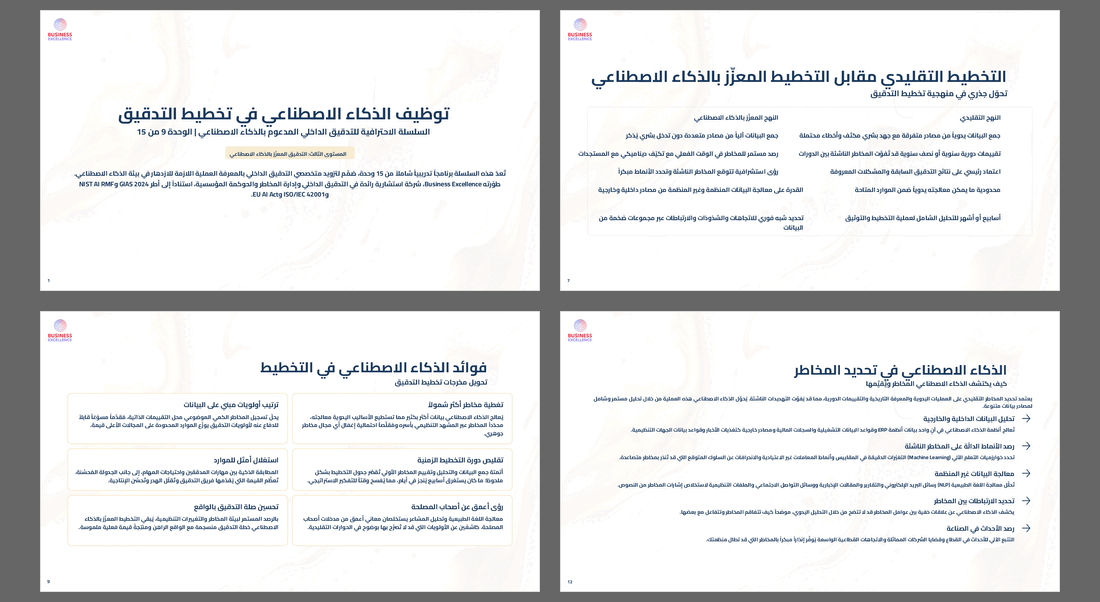

 Click main image to view in full screen. Unlock all 12 preview images:
AI Internal Audit M09 (Arabic): AI-Enhanced Planning – PDF
PDF document Arabic 45 Pages


VIDEO DEMO
BENEFITS OF THIS DOWNLOADABLE PDF DOCUMENT
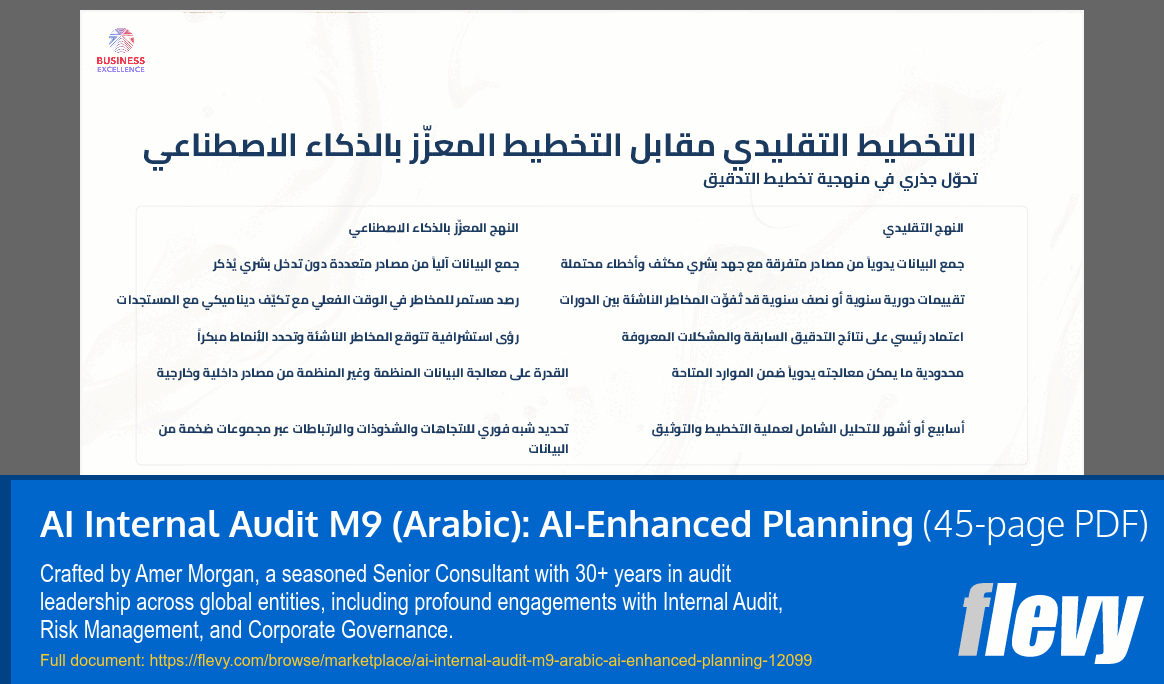
- Equips audit functions to use AI for systematic, data-driven annual planning rather than the traditional manual-with-spreadsheets approach.
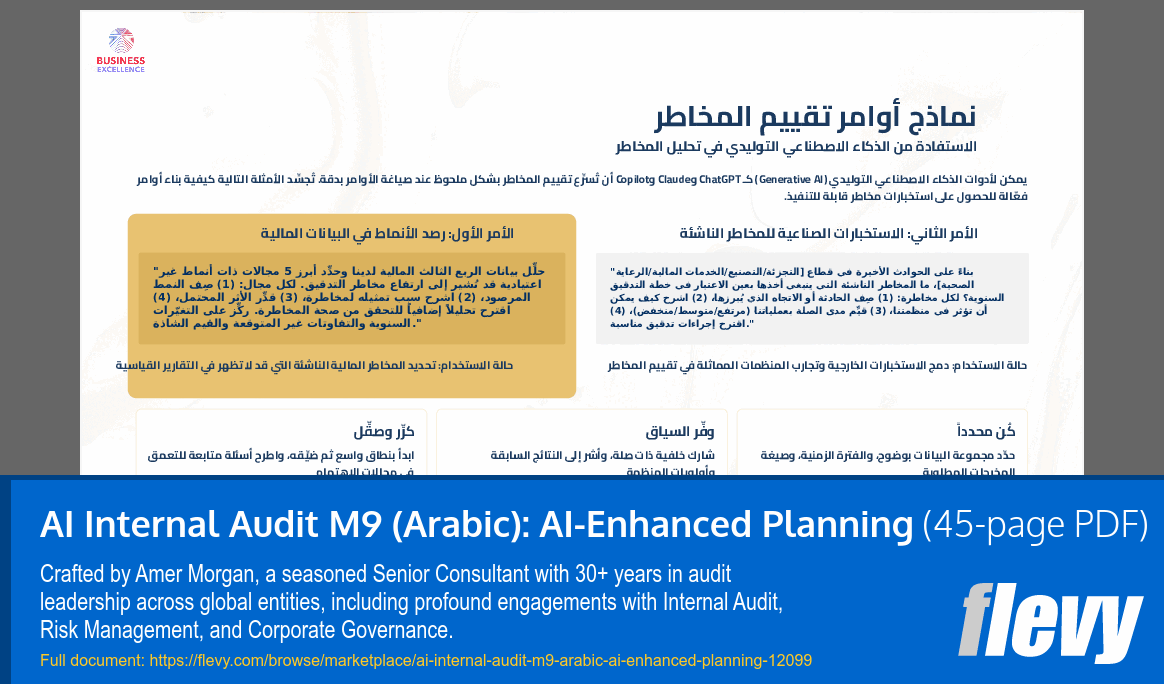
- Includes risk-assessment prompt templates and an AI-enhanced audit universe analysis template tested on real planning cycles.
- Maintains professional judgment as the final filter -- AI generates the quantitative foundation; the auditor produces the defensible plan.
AUDIT MANAGEMENT PDF DESCRIPTION
[Arabic Edition · استخدام الذكاء الاصطناعي لتعزيز تخطيط التدقيق] The AI-Powered Internal Audit Professional Series – Module 9: Using AI to Enhance Audit Planning – is part of a comprehensive 15-module program aligned with the NIST AI Risk Management Framework, ISO/IEC 42001, the IIA Global Internal Audit Standards (GIAS 2024), and the EU AI Act. This is the Arabic-language edition of the series, designed for internal auditors, audit managers, IT auditors, GRC professionals, and Chief Audit Executives (CAEs) across the GCC, MENA, and Arabic-speaking markets in Egypt, Iraq, Jordan, Lebanon, Sudan, Libya, Morocco, Tunisia, and Algeria. Content is delivered in Modern Standard Arabic with international standards terminology preserved in English (e.g., NIST AI RMF, ISO 42001, EU AI Act, GIAS 2024) for searchability and conformance traceability.
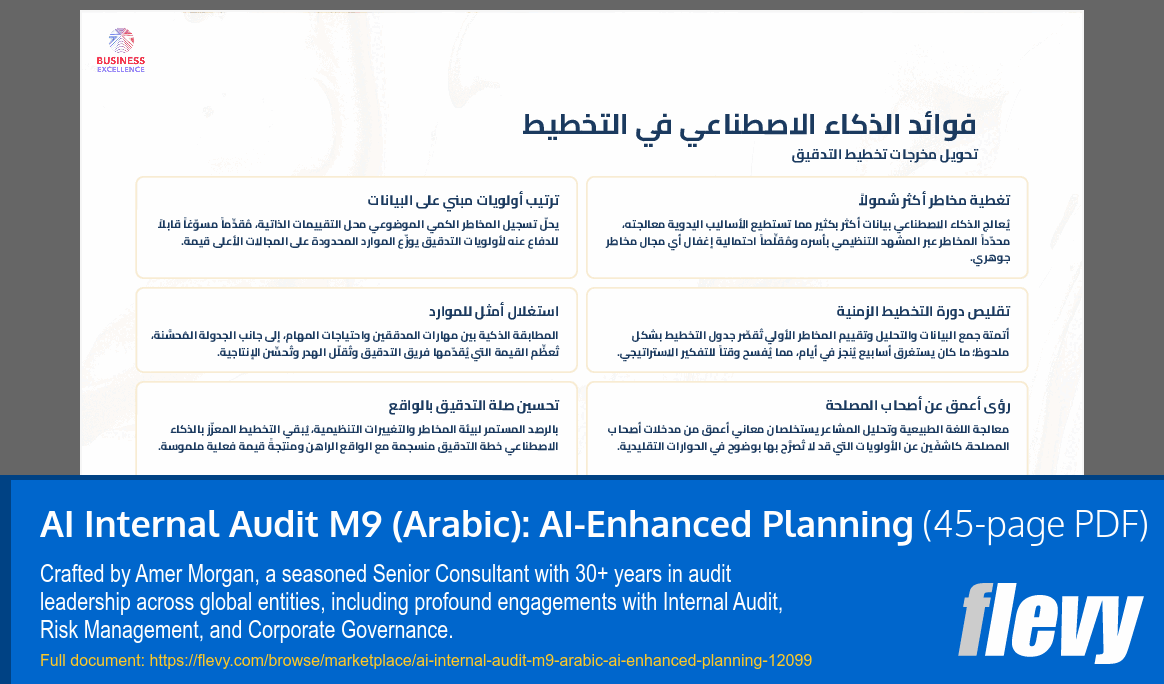
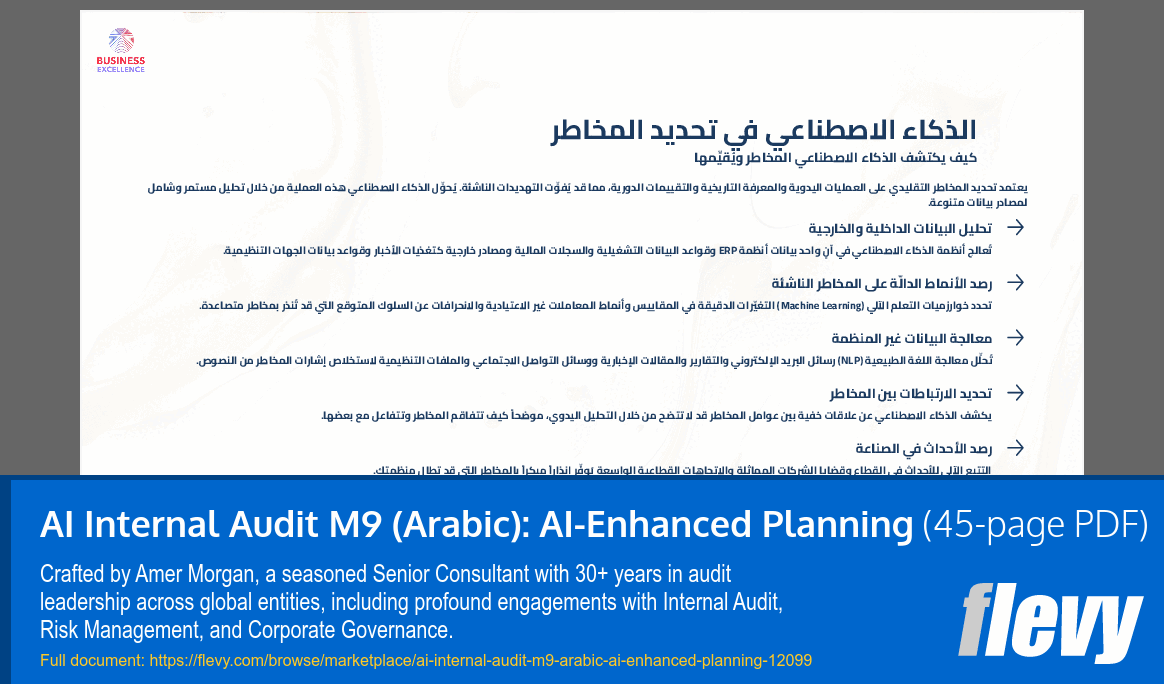
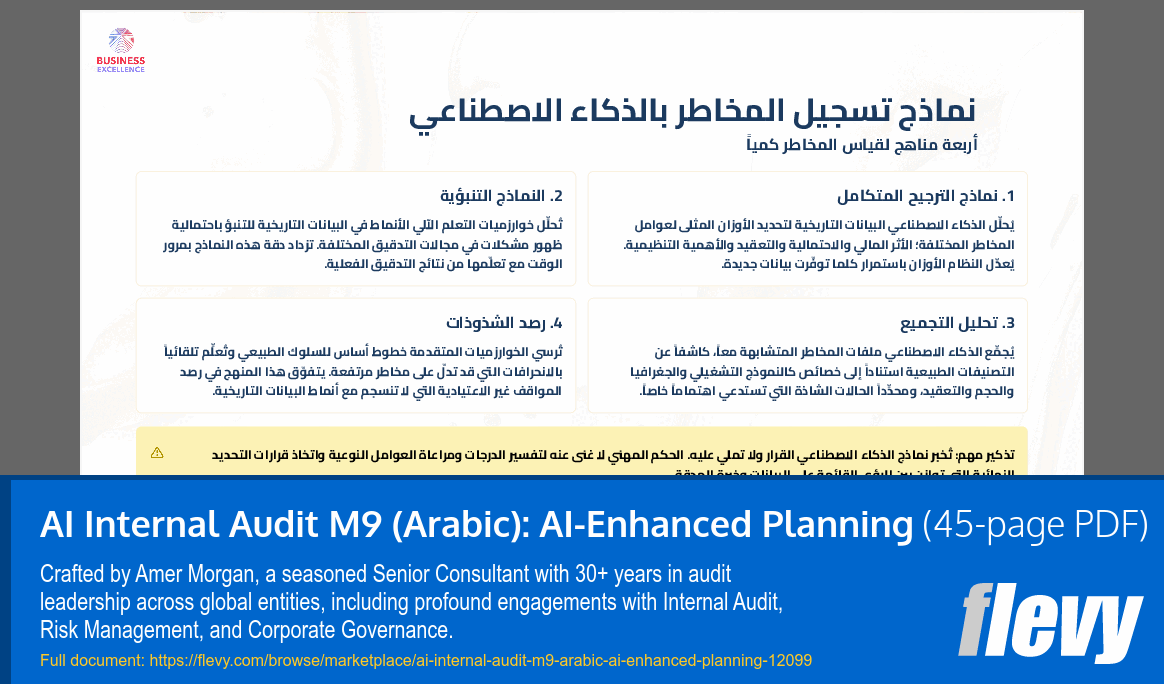
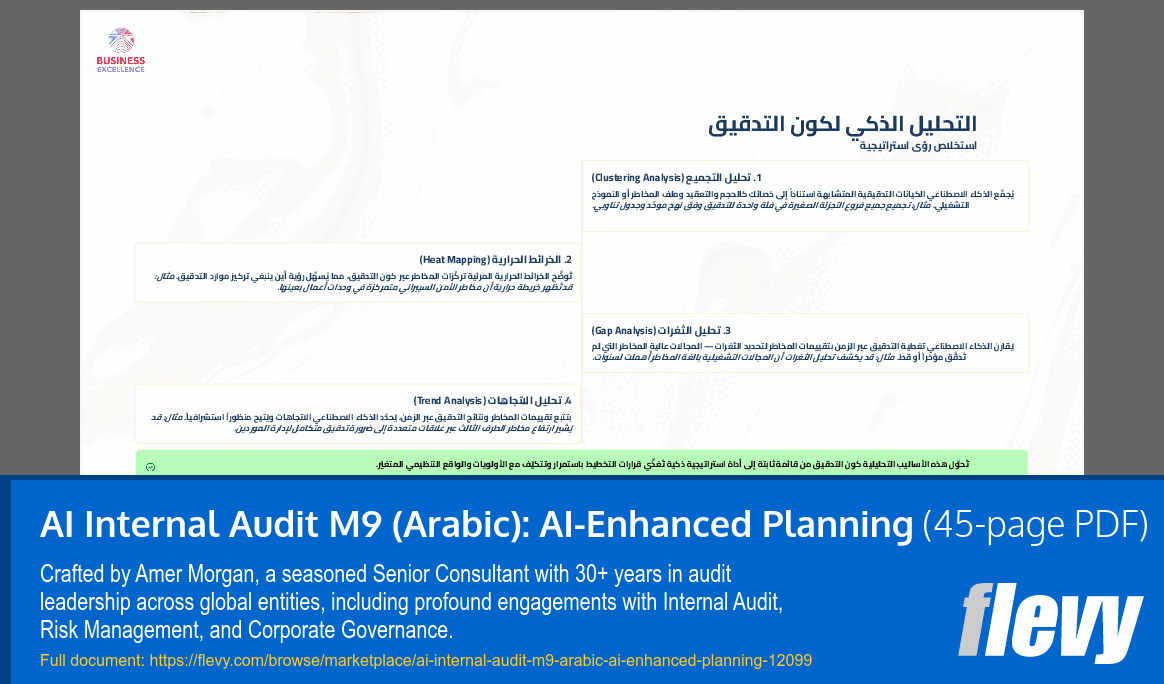
Systematic AI-enhanced annual audit planning – AI risk scoring across the audit universe, clustering and heat mapping, resource estimation, and generative AI plan documentation, with professional judgment preserved as the final filter.
What's inside this module: • 40 professionally designed slides in Modern Standard Arabic (MSA / فصحى) •
Who it's for: Internal auditors in GCC/MENA organizations preparing for ISACA AAIA and CIA/CRMA certifications, audit managers building team AI capability in Arabic-speaking teams, IT auditors expanding into AI assurance, GRC professionals expanding into AI risk, training departments delivering bilingual AI audit programs, and CAEs modernizing audit functions for the AI-enabled environment in regional markets.
Why this module matters: Most Arabic AI audit training material is either translated from English without adapting examples and frameworks for Arabic readers, or built on outdated AI references that miss NIST AI RMF, ISO 42001, and the EU AI Act. This module is native to the current AI governance landscape, professionally formatted for right-to-left reading, and built by a CIA/CRMA/CFE practitioner with 30+ years of audit leadership across the GCC, MENA, Europe, and the USA.
About the author: Amer Morgan, CIA, CRMA, CFE, is the founder of Business Excellence and a Senior Consultant who has led internal audit functions across government and private-sector organizations in Qatar, the wider GCC, MENA, Europe, and the USA. He has authored 60+ professional publications in English and Arabic and trained thousands of audit professionals across the region.
Arabic version of the description (paste this into the Flevy field directly below the English text – single field, one copy-paste):
السلسلة الاحترافية للتدقيق الداخلي المدعوم بالذكاء الاصطناعي – الإصدار العربي – الوحدة 9: استخدام الذكاء الاصطناعي لتعزيز تخطيط التدقيق – جزء من برنامج شامل من 15 وحدة متوافق مع إطار إدارة مخاطر الذكاء الاصطناعي من NIST و ISO/IEC 42001 والمعايير العالمية للتدقيق الداخلي (GIAS 2024) وقانون الذكاء الاصطناعي الأوروبي. هذا هو الإصدار العربي من السلسلة، مصمم للمدققين الداخليين ومديري التدقيق ومدققي تقنية المعلومات ومتخصصي الحوكمة والمخاطر والامتثال ورؤساء المراجعة الداخلية (CAEs) في الخليج والشرق الأوسط وشمال أفريقيا والأسواق الناطقة بالعربية.
تخطيط تدقيق سنوي منهجي مُعزَّز بالذكاء الاصطناعي – تسجيل المخاطر بالذكاء الاصطناعي عبر كون التدقيق، والتجميع ورسم الخرائط الحرارية، وتقدير الموارد، وتوثيق الخطة بالذكاء الاصطناعي التوليدي، مع الحفاظ على الحكم المهني كمرشح نهائي.
محتوى هذه الوحدة: • 40 شريحة احترافية باللغة العربية الفصحى • ن
الفئة المستهدفة: المدققون الداخليون في مؤسسات الخليج والمنطقة العربية المستعدون لشهادات ISACA AAIA و CIA/CRMA، ومديرو التدقيق الذين يبنون قدرات فرقهم العربية في الذكاء الاصطناعي، ومدققو تقنية المعلومات الموسعون إلى تأكيد الذكاء الاصطناعي، ومتخصصو الحوكمة والمخاطر والامتثال الموسعون إلى مخاطر الذكاء الاصطناعي، وأقسام التدريب التي تقدم برامج تدقيق ذكاء اصطناعي ثنائية اللغة، ورؤساء المراجعة الذين يطورون وظائفهم للبيئة المُمكَّنة بالذكاء الاصطناعي.
لماذا هذه الوحدة: معظم محتوى تدريب تدقيق الذكاء الاصطناعي بالعربية إما مترجم من الإنجليزية دون تكييف الأمثلة والأطر للقارئ العربي، أو مبني على مراجع ذكاء اصطناعي متقادمة تفتقد NIST AI RMF و ISO 42001 وقانون الذكاء الاصطناعي الأوروبي. هذه الوحدة أصيلة لمشهد حوكمة الذكاء الاصطناعي الحالي، ومُنسَّقة احترافياً للقراءة من اليمين إلى اليسار، ومبنية بواسطة ممارس حاصل على CIA/CRMA/CFE مع 30+ سنة من قيادة التدقيق في الخليج والمنطقة وأوروبا والولايات المتحدة.
عن المؤلف: عامر مرجان، CIA، CRMA، CFE، مؤسس Business Excellence ومستشار أول قاد وظائف التدقيق الداخلي في مؤسسات حكومية وخاصة في قطر ودول الخليج والمنطقة وأوروبا والولايات المتحدة. ألَّف أكثر من 60 منشوراً مهنياً بالعربية والإنجليزية ودرَّب آلاف المدققين المهنيين في المنطقة.
Got a question about the product? Email us at support@flevy.com or ask the author directly by using the "Ask the Author a Question" form. If you cannot view the preview above this document description, go here to view the large preview instead.
Source: Best Practices in Audit Management, Arabic PDF: AI Internal Audit M09 (Arabic): AI-Enhanced Planning PDF (PDF) Document, Amer Morgan
ABOUT THE AUTHOR

Amer Morgan is the founder of Business Excellence, Audit Consultant and Governance Advisor with over 30 years of practice in internal audit, enterprise risk management, and corporate governance across Qatar, Egypt, the UAE, and the USA. He currently leads the internal audit function for a sovereign-wealth-fund-owned food security group in Doha, with responsibility for board-level assurance across ... [read more]
Ask the Author a Question
You must be logged in to contact the author.