
This framework is developed by a team of former McKinsey and Big 4 consultants. The presentation follows the headline-body-bumper slide format used by global consulting firms.
Explore the 2025 Tariffs: Macroeconomic Scenario Analysis by ex-McKinsey & Big 4 consultants. Prepare for volatility with strategic insights and frameworks. 2025 Tariffs: Macroeconomic Scenario Analysis is a 35-slide PPT PowerPoint presentation slide deck (PPTX) available for immediate download upon purchase.
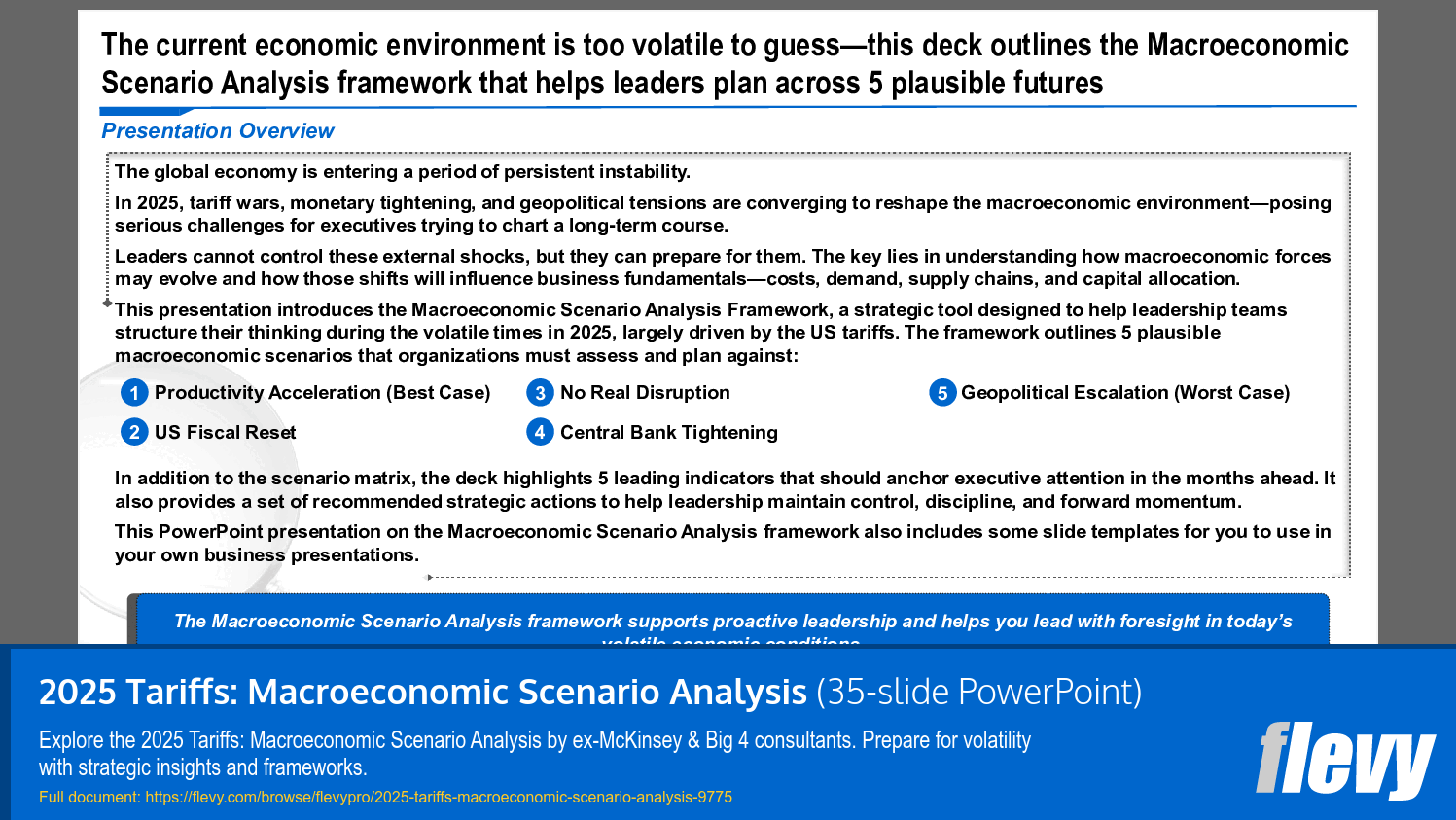
The global economy is entering a period of persistent instability.
In 2025, tariff wars, monetary tightening, and geopolitical tensions are converging to reshape the macroeconomic environment—posing serious challenges for executives trying to chart a long-term course.
Leaders cannot control these external shocks, but they can prepare for them. The key lies in understanding how macroeconomic forces may evolve and how those shifts will influence business fundamentals—costs, demand, supply chains, and capital allocation.
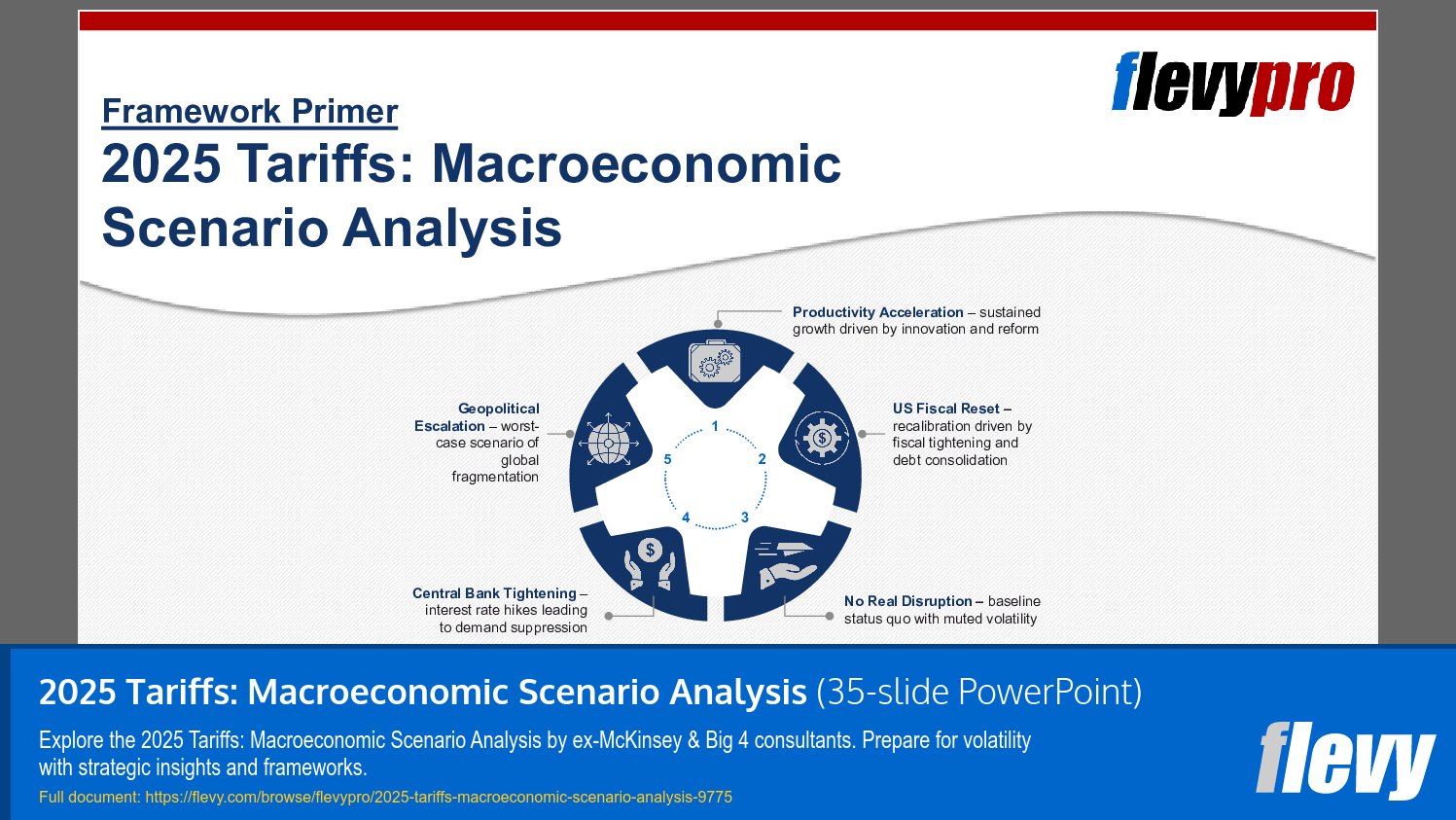
This PPT presentation introduces the Macroeconomic Scenario Analysis Framework, a strategic tool designed to help leadership teams structure their thinking during the volatile times in 2025, largely driven by the US tariffs. The framework outlines 5 plausible macroeconomic scenarios that organizations must assess and plan against:
1. Productivity Acceleration (Best Case) – This is the most optimistic and ambitious scenario—but also the most difficult to achieve. It assumes coordinated policy action, renewed cooperation, and structural reform. Key drivers include a rollback of tariffs, fiscal discipline, revitalized manufacturing, and increased investment in innovation.
2. US Fiscal Reset – This scenario centers on disciplined fiscal policy and domestic rebalancing as the U.S. shifts focus from global trade integration to internal stabilization.
3. No Real Disruption – This scenario assumes that despite persistent tariff disputes and economic uncertainty, the global system absorbs the shocks without triggering major structural reforms or coordinated policy shifts.
4. Central Bank Tightening – Global geopolitical hostilities persist and inflationary pressure builds as tariffs disrupt trade flows and input costs. Central banks respond with aggressive monetary tightening to contain inflation.
5. Geopolitical Escalation (Worst Case) – This scenario represents a breakdown of global cooperation, triggered by escalating geopolitical conflict and sustained trade hostility. Economies retreat into hardened blocs, trade becomes weaponized, and global institutions lose relevance. Supply chains disintegrate under political pressure.
In addition to the scenario matrix, the deck highlights 5 leading indicators that should anchor executive attention in the months ahead. It also provides a set of recommended strategic actions to help leadership maintain control, discipline, and forward momentum.
This PowerPoint presentation on the Macroeconomic Scenario Analysis framework also includes some slide templates for you to use in your own business presentations.
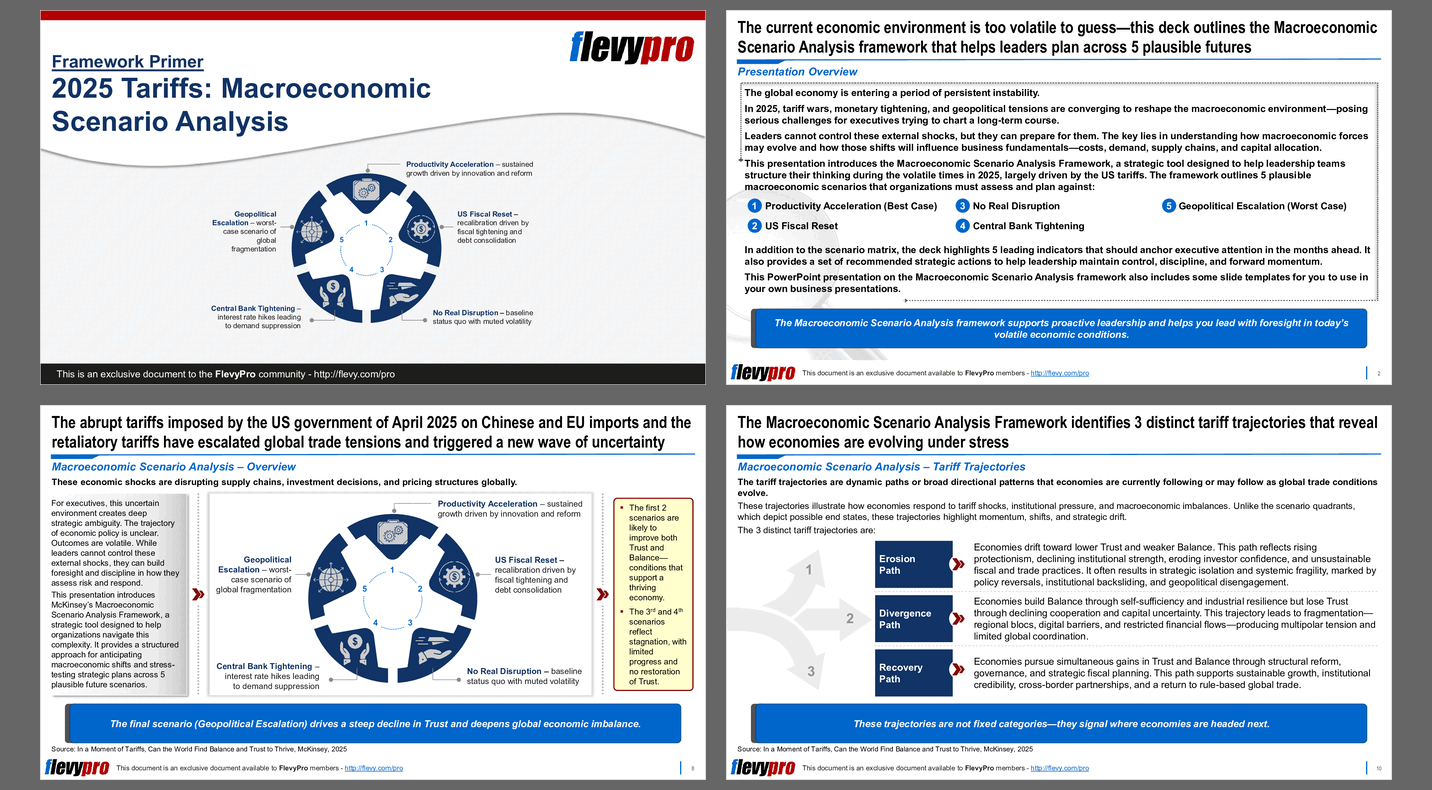
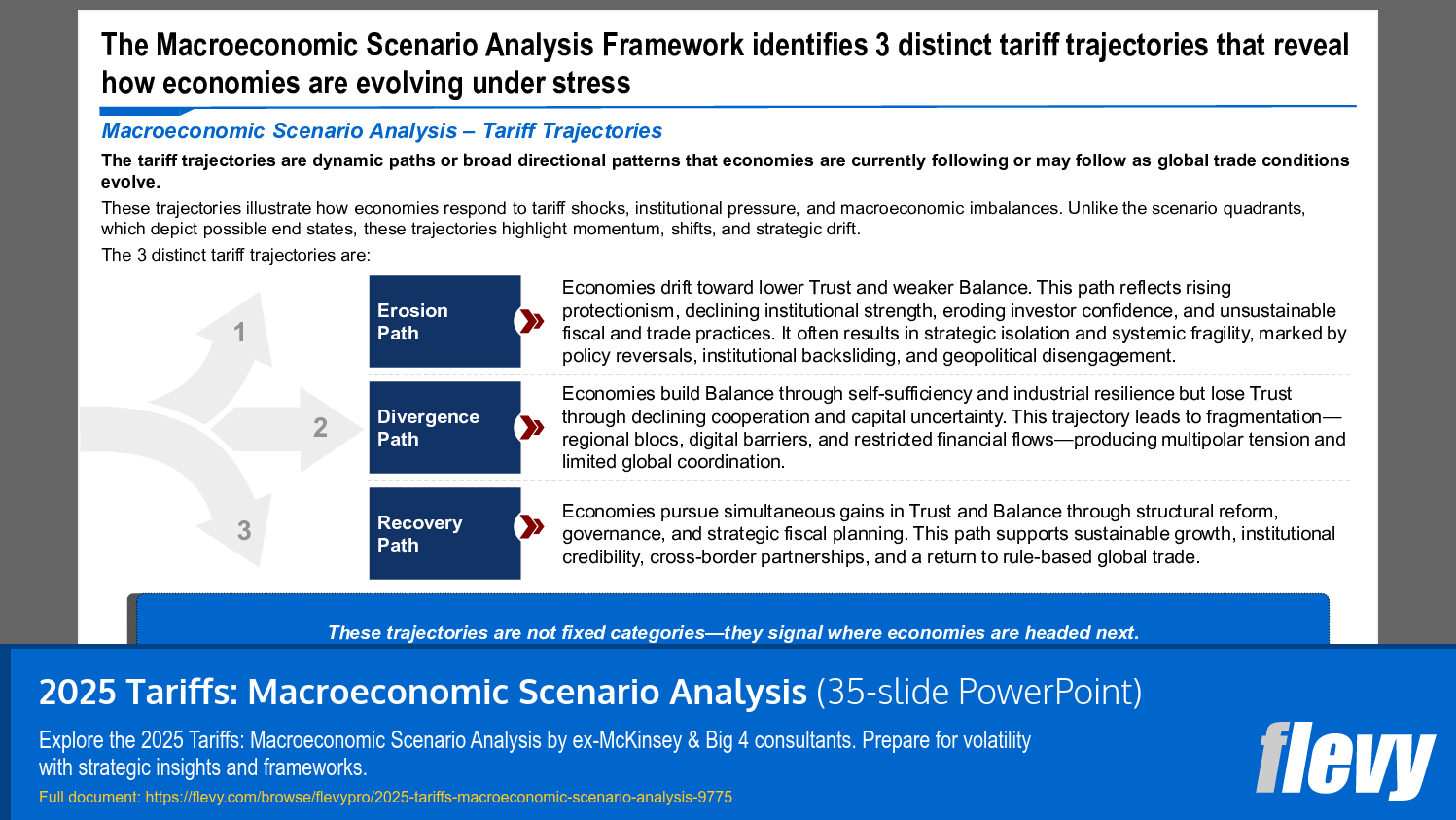
This PPT slide outlines a framework for understanding economic evolution under stress through 3 tariff trajectories: Erosion, Divergence, and Recovery. The Erosion Path reflects declining trust and balance due to rising protectionism, weakening institutions, and reduced investor confidence, leading to policy reversals and systemic fragility. The Divergence Path involves economies striving for self-sufficiency, resulting in regional blocs and digital barriers that increase fragmentation and reduce global coordination. The Recovery Path focuses on structural reforms and strategic fiscal planning to restore trust and promote sustainable growth. These trajectories are dynamic, indicating potential shifts in trade and economic stability, and serve as directional guides for strategic planning in response to geopolitical risks and macroeconomic stress.
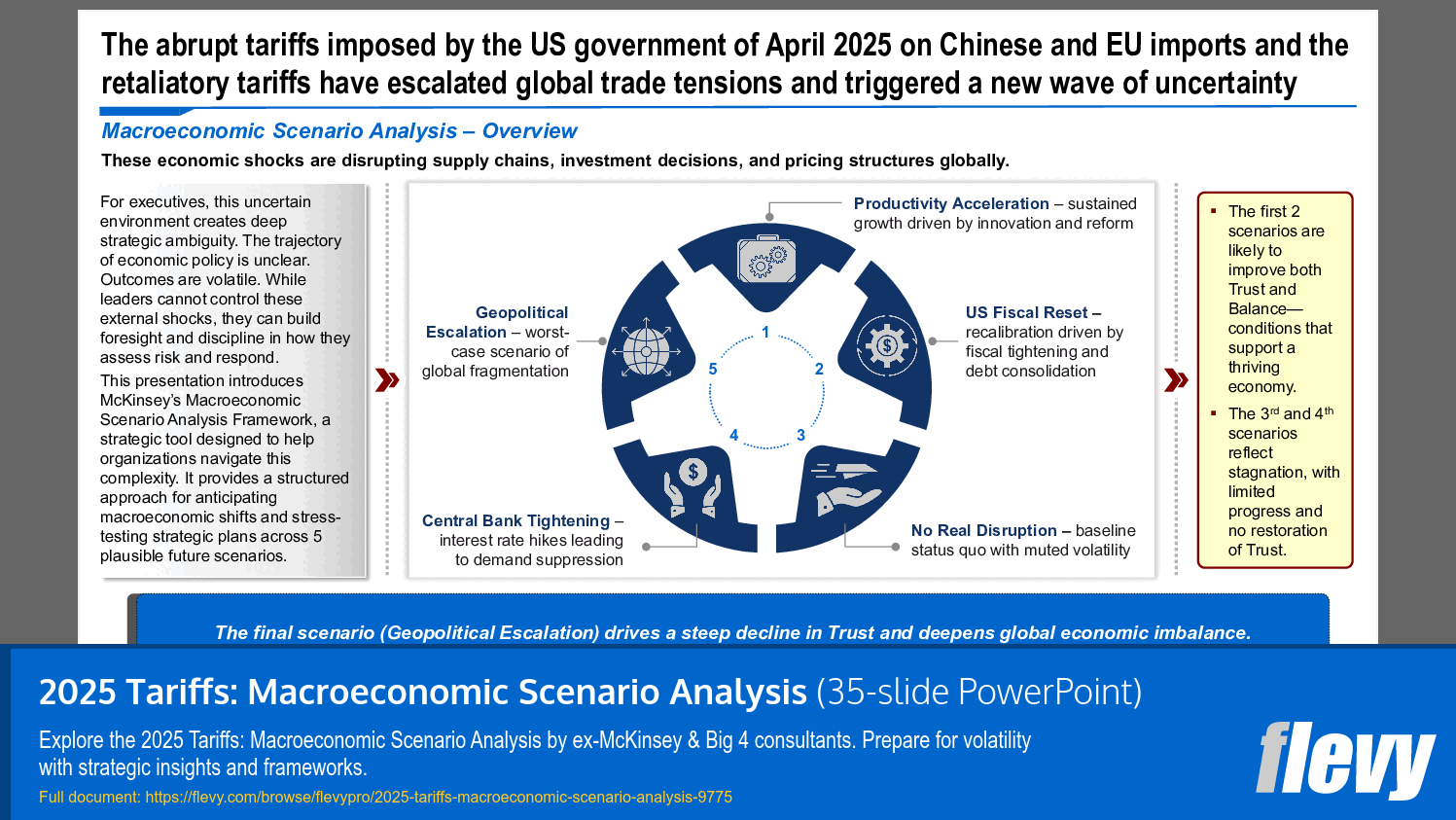
This PPT slide outlines the macroeconomic impacts of the US government's April 2025 tariffs on Chinese and EU imports, highlighting heightened global trade tensions and uncertainties in supply chains, investment decisions, and pricing structures. It features a circular diagram illustrating 5 key macroeconomic scenarios: productivity acceleration through innovation, US fiscal reset via fiscal tightening and debt consolidation, geopolitical escalation leading to global fragmentation, central bank tightening resulting in rising interest rates, and a stable baseline with muted volatility. The first 2 scenarios are likely to enhance trust and balance in the economy, while the third and fourth suggest stagnation and limited progress. The final scenario indicates that geopolitical escalation could lead to a significant decline in trust and imbalance in the global economy. The slide emphasizes the importance of McKinsey’s Macroeconomic Scenario Analysis Framework for strategic planning and risk management in an uncertain environment.
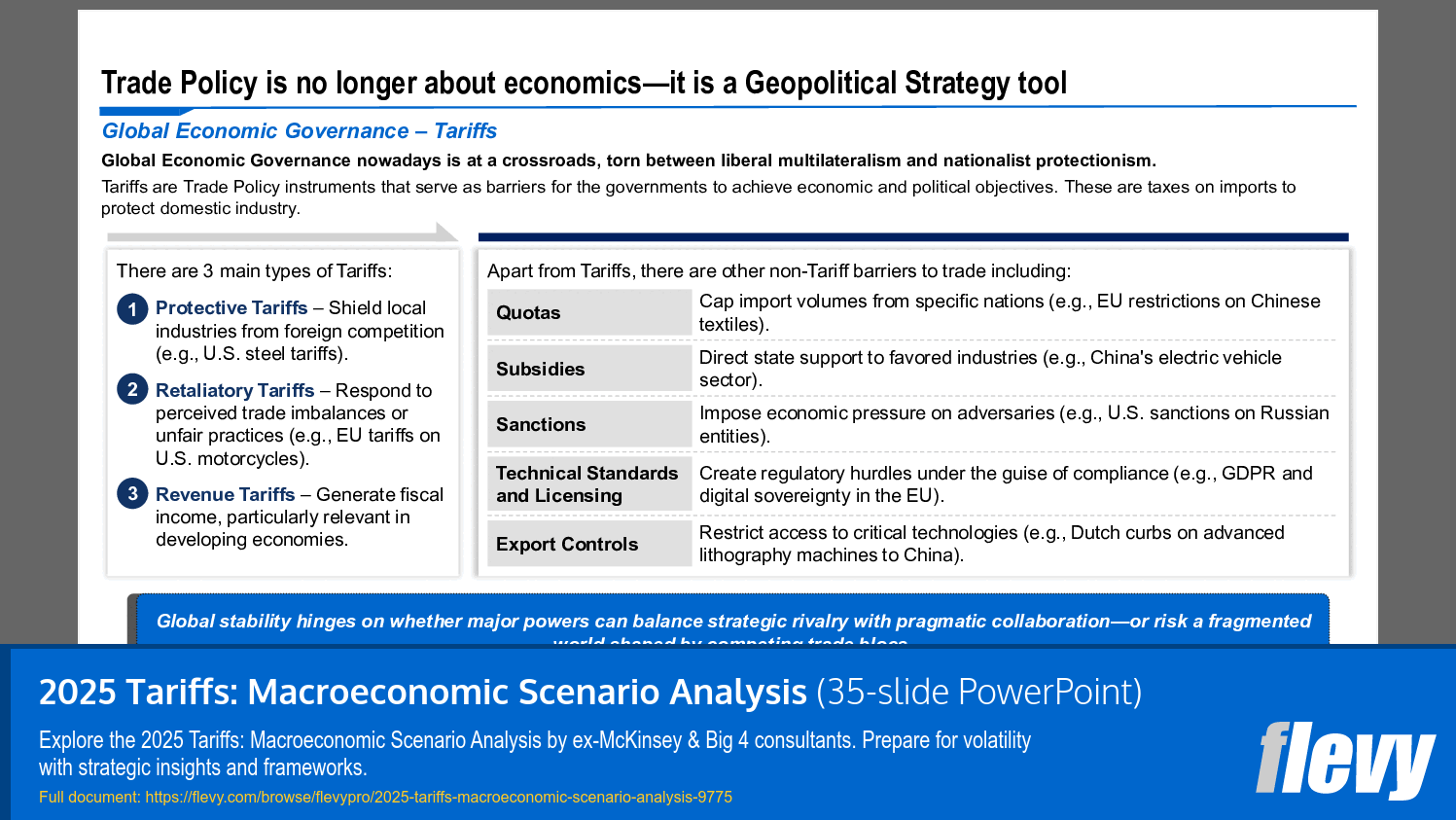
Trade policy has evolved from economic considerations to a geopolitical tool, with global economic governance at a crossroads between liberal multilateralism and nationalist protectionism. Tariffs are now strategic instruments categorized into 3 types: protective tariffs that shield local industries, retaliatory tariffs addressing trade imbalances, and revenue tariffs for fiscal income in developing economies. Non-tariff barriers also influence trade flows, including quotas limiting imports, subsidies for favored industries, sanctions imposing economic pressure, technical standards creating regulatory hurdles, and export controls restricting access to technologies. These measures shape international trade dynamics, highlighting the need for companies to adapt to evolving trade barriers that impact supply chains, market access, and compliance strategies. Understanding these tools is essential for developing resilient strategies aligned with shifting geopolitical priorities.
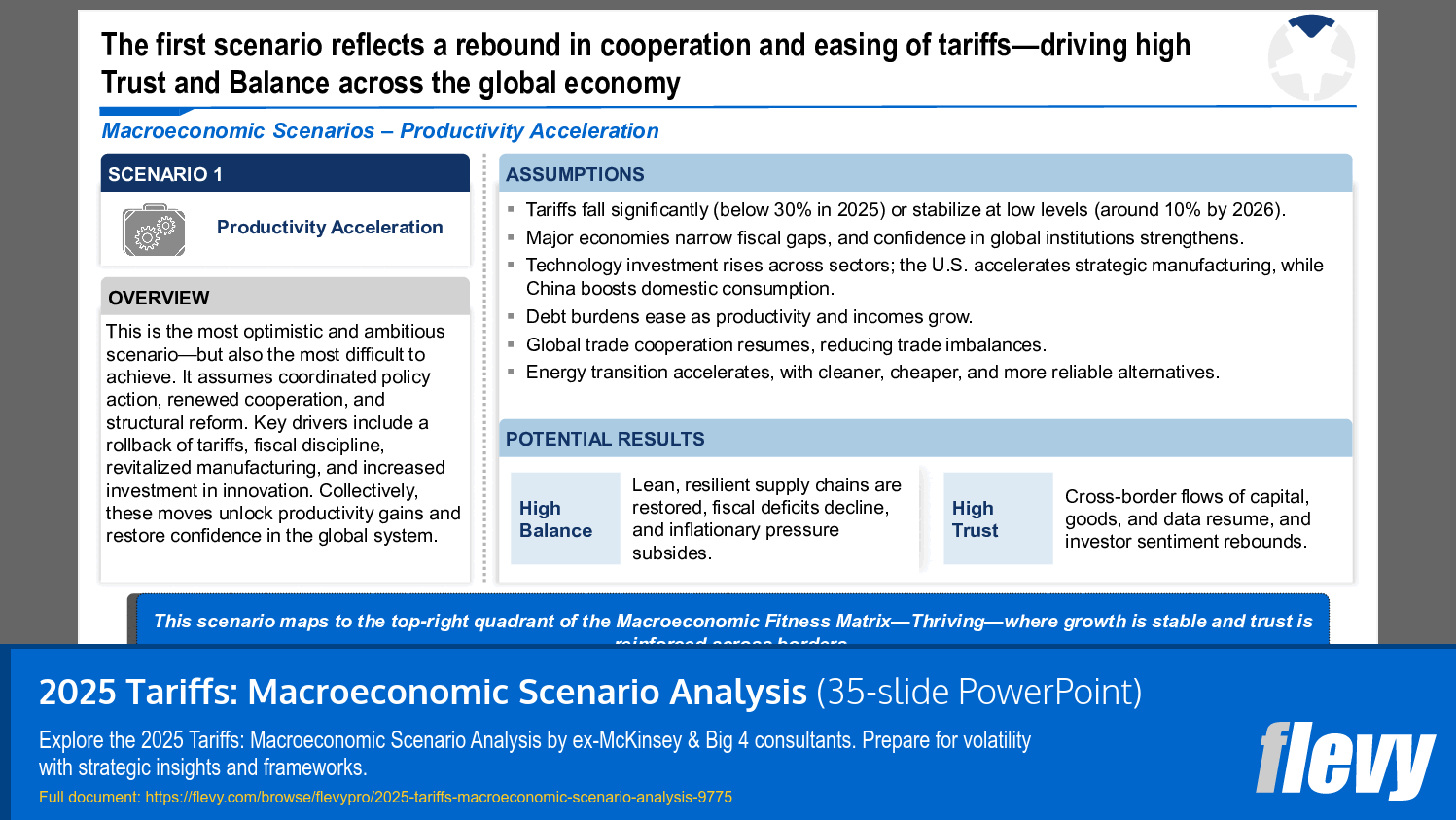
This PPT slide outlines an optimistic global economic scenario driven by reduced tariffs, projected to fall below 30% by 2025 and stabilize around 10% by 2026. Key drivers include fiscal discipline, renewed international cooperation, and increased technology investments, particularly in U.S. strategic manufacturing and China's domestic consumption. Easing debt burdens, revitalized manufacturing, and global trade cooperation are expected to unlock productivity gains and restore confidence. The energy transition towards cleaner, cheaper energy sources is also accelerating. The scenario is mapped onto the top-right quadrant of the Macroeconomic Fitness Matrix, indicating a stable growth environment characterized by resilient supply chains and rebounding investor sentiment. Strategic insights highlight the importance of preparing for a more integrated economic environment with growth and innovation opportunities.
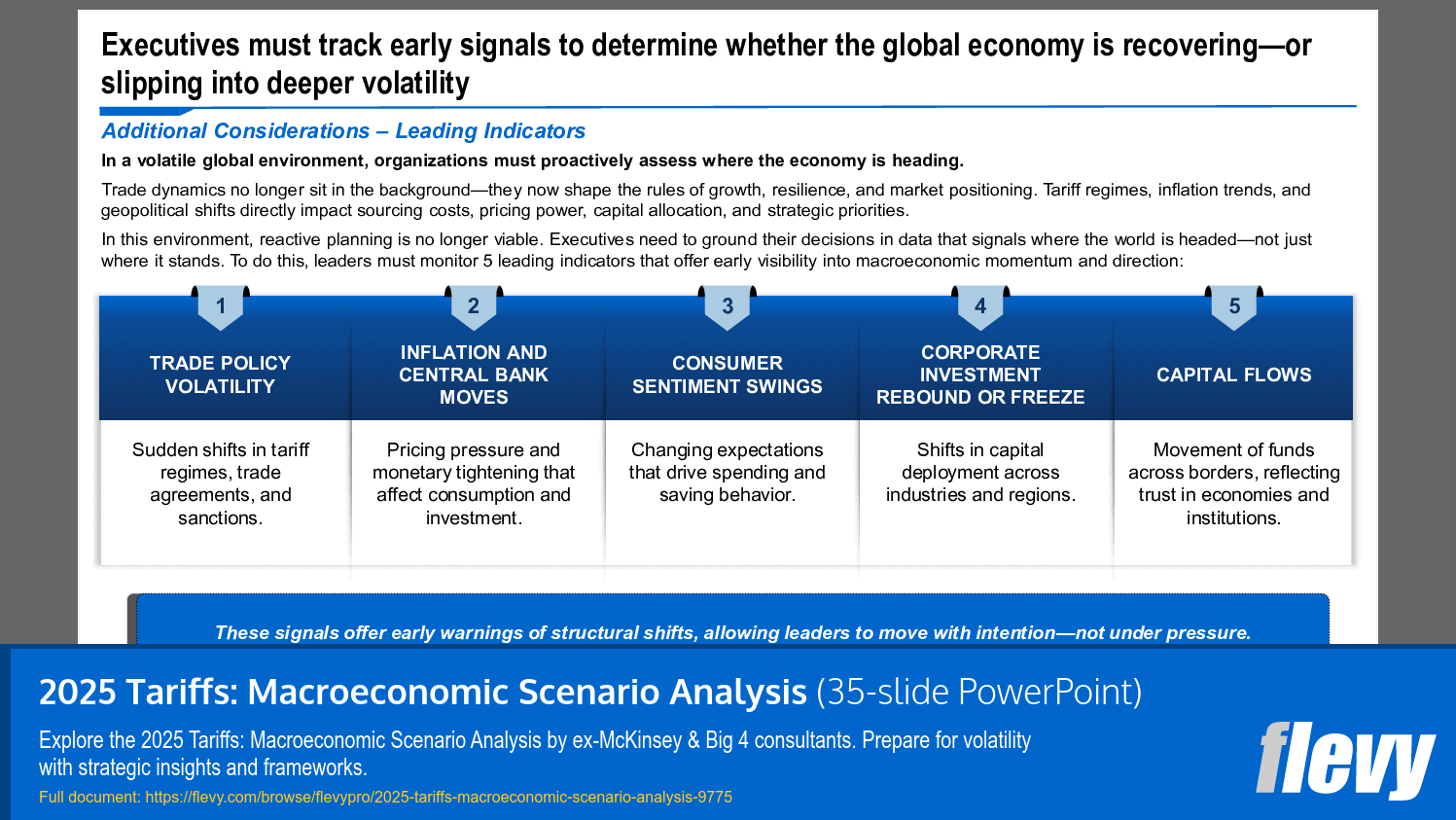
Executives must monitor early signals of economic recovery or volatility, as traditional macroeconomic data is insufficient in a rapidly changing environment. Five key indicators provide insights into economic shifts: trade policy volatility, inflation and central bank actions, consumer sentiment, corporate investment patterns, and capital flows. For instance, tariff changes reflect trade policy volatility, while inflation and monetary tightening indicate central bank responses. Consumer sentiment reveals spending behavior, and capital flows signal confidence in economies. Proactive monitoring of these indicators enhances decision-making agility and strategic positioning amid uncertainty, allowing leaders to identify emerging risks and opportunities before they materialize. This framework positions these signals as essential tools for navigating economic uncertainty.
This framework is developed by a team of former McKinsey and Big 4 consultants. The presentation follows the headline-body-bumper slide format used by global consulting firms.
For $10.00 more, you can download this document plus 2 more FlevyPro documents. That's just $13 each.
ABOUT FLEVYPRO
This document is part of the FlevyPro Library, a curated knowledge base of documents for our FlevyPro subscribers.

FlevyPro is a subscription service for on-demand business frameworks and analysis tools. FlevyPro subscribers receive access to an exclusive library of curated business documents—business framework primers, presentation templates, Lean Six Sigma tools, and more—among other exclusive benefits.
The average daily rate of a McKinsey consultant is $6,625 (not including expenses). The average price of a Flevy document is $65.
Trusted by over 10,000+ Client Organizations
Since 2012, we have provided business templates to over 10,000 businesses and organizations of all sizes, from startups and small businesses to the Fortune 100, in over 130 countries.
"As a consultant requiring up to date and professional material that will be of value and use to my clients, I find Flevy a very reliable resource.
The variety and quality of material available through Flevy offers a very useful and commanding source for information. Using Flevy saves me time, enhances my expertise and ends up being a good decision."
– Dennis Gershowitz, Principal at DG Associates
"As a young consulting firm, requests for input from clients vary and it's sometimes impossible to provide expert solutions across a broad spectrum of requirements. That was before I discovered Flevy.com.
Through subscription to this invaluable site of a plethora of topics that are key and crucial to consulting, I
have been able to exceed expectations and deliver quality advice and solutions to my clients. The quality and expertise of the authors are exemplary and gives me great confidence to use as part of my service offerings.
I highly recommend this company for any consultant wanting to apply international best practice standards in their service offerings.
"
– Nishi Singh, Strategist and MD at NSP Consultants
"My FlevyPro subscription provides me with the most popular frameworks and decks in demand in today’s market. They not only augment my existing consulting and coaching offerings and delivery, but also keep me abreast of the latest trends, inspire new products and service offerings for my practice, and educate me
in a fraction of the time and money of other solutions. I strongly recommend FlevyPro to any consultant serious about success.
"
– Bill Branson, Founder at Strategic Business Architects
"I have used FlevyPro for several business applications. It is a great complement to working with expensive consultants. The quality and effectiveness of the tools are of the highest standards."
– Moritz Bernhoerster, Global Sourcing Director at Fortune 500
"FlevyPro has been a brilliant resource for me, as an independent growth consultant, to access a vast knowledge bank of presentations to support my work with clients. In terms of RoI, the value I received from the very first presentation I downloaded paid for my subscription many times over! The
quality of the decks available allows me to punch way above my weight – it's like having the resources of a Big 4 consultancy at your fingertips at a microscopic fraction of the overhead.
"
– Roderick Cameron, Founding Partner at SGFE Ltd
"[Flevy] produces some great work that has been/continues to be of immense help not only to myself, but as I seek to provide professional services to my clients, it gives me a large "tool box" of resources that are critical to provide them with the quality of service and outcomes they are expecting."
– Royston Knowles, Executive with 50+ Years of Board Level Experience
"As a small business owner, the resource material available from FlevyPro has proven to be invaluable. The ability to search for material on demand based our project events and client requirements was great for me and proved very beneficial to my clients. Importantly, being able to easily edit and tailor
the material for specific purposes helped us to make presentations, knowledge sharing, and toolkit development, which formed part of the overall program collateral. While FlevyPro contains resource material that any consultancy, project or delivery firm must have, it is an essential part of a small firm or independent consultant's toolbox.
"
– Michael Duff, Managing Director at Change Strategy (UK)
"I am extremely grateful for the proactiveness and eagerness to help and I would gladly recommend the Flevy team if you are looking for data and toolkits to help you work through business solutions."
Download our free compilation of 50+ Strategy & Transformation slides and templates. Frameworks include McKinsey 7-S, Balanced Scorecard, Disruptive Innovation, BCG Curve, and many more.